 how-to
Prevent Flat Roof Bubbling in Hot Weather: A Guide
Table of Contents
- Why Flat Roofs Bubble in Hot Weather: Understanding the Root Causes
- Signs of Trapped Moisture in a Flat Roof
- Flat Roof Maintenance Checklist: Seasonal Prevention Steps
- How to Repair a Flat Roof Blister: Step-by-Step Process
- Preventing Bubbling During Installation and Material Selection
- Roof Ventilation and Drainage: Controlling Heat and Moisture
- Common Mistakes to Avoid When Preventing Flat Roof Bubbling
- Conclusion
- Frequently Asked Questions
Last Updated: October 4, 2026
Why Flat Roofs Bubble in Hot Weather: Understanding the Root Causes
Flat roofs bubble in hot weather because heat causes the roofing membrane to expand while trapped air and moisture beneath it cannot escape. This pressure builds up, pushing the membrane away from the roof deck and creating visible blisters. Understanding what causes flat roof bubbling is the first step to learning how to prevent flat roof bubbling.
Heat expansion and membrane stress
When temperatures rise, roofing membranes expand. Since the membrane is stuck to the roof deck with adhesive, it cannot move freely, creating internal stress.
In direct sunlight, a flat roof can reach 60-70°C or higher. The membrane expands while edges and seams stay fixed, creating uneven tension that the adhesive cannot hold. The membrane lifts away from the deck in spots, forming bubbles.
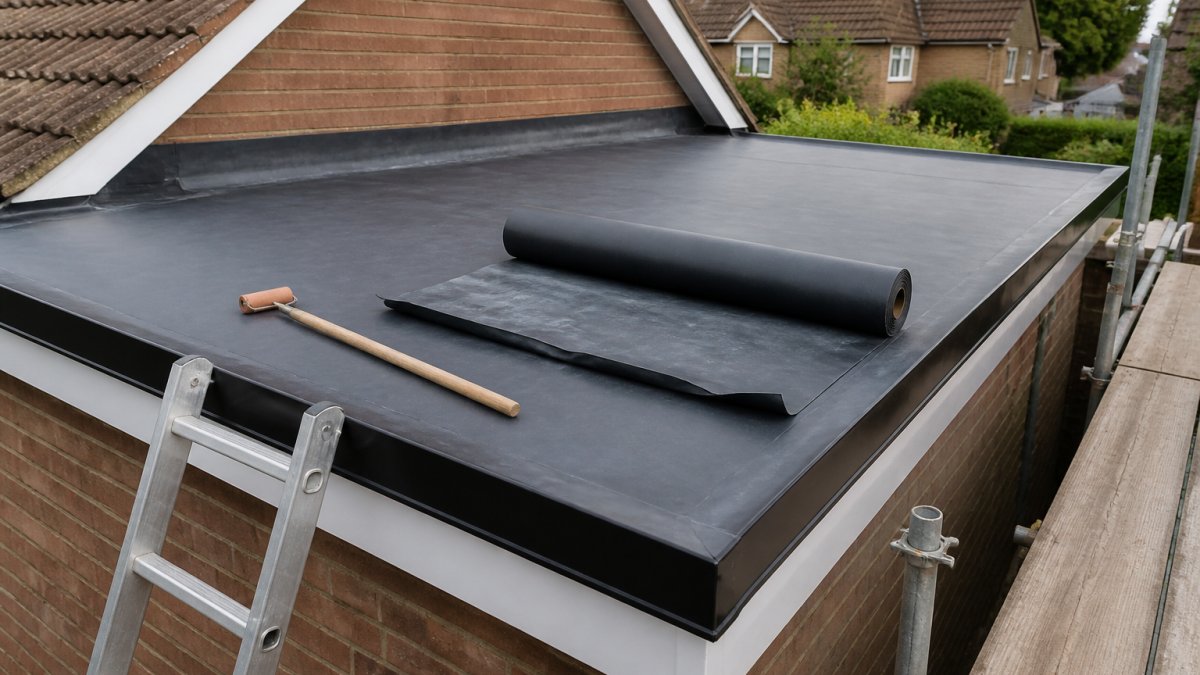
Rubber roofing is particularly prone to bubbling because it stretches more than other materials, and the adhesive bond weakens under extreme heat if surface preparation was poor.
Trapped air and water vapour beneath the membrane
Most flat roof bubbling is caused by air pockets and moisture trapped during installation that expand when heated.
If dust, debris, or moisture remain on the surface during installation, they get sealed underneath the adhesive.
This is why surface preparation matters so much. A damp or dusty roof deck traps air and moisture that, once sealed, can only escape by pushing the membrane up.
Ponding water worsens the problem. Water sitting on the roof seeps into gaps and, when heated, turns to vapour and expands rapidly.
Signs of Trapped Moisture in a Flat Roof
Knowing how to spot trapped moisture early prevents small problems from becoming expensive repairs. Visual inspection is straightforward if you know what to look for.
Visual indicators and inspection techniques
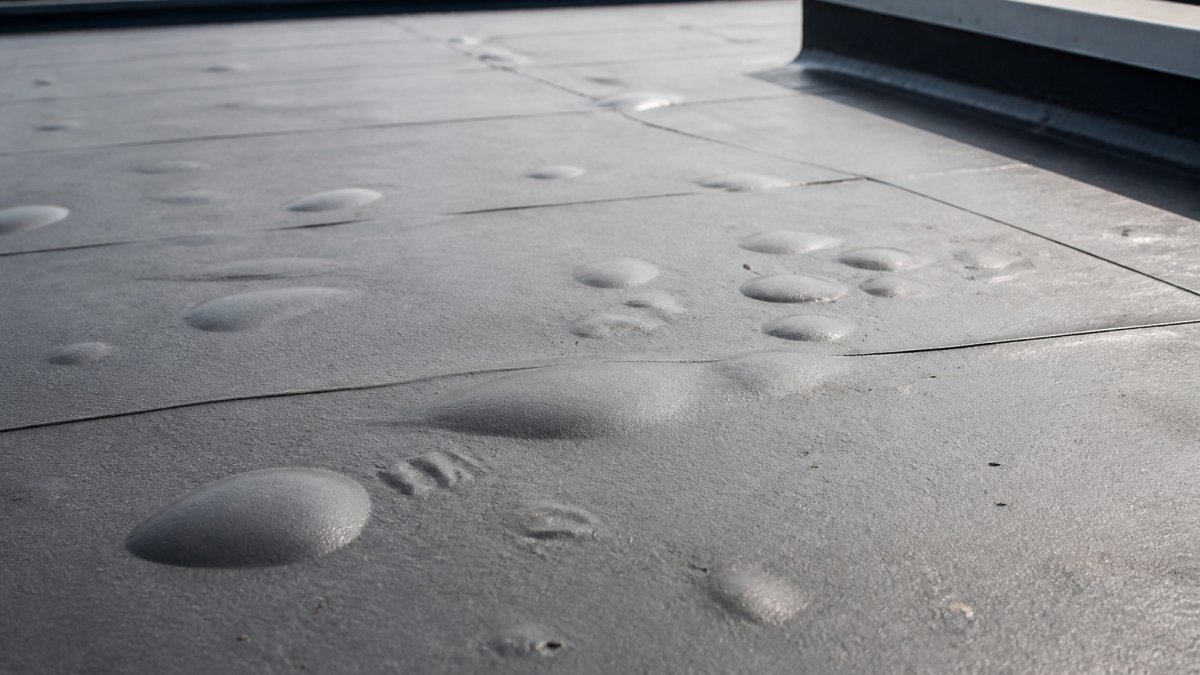
Bubbles and blisters appear as raised bumps across the membrane surface, ranging from small scattered spots in early stages to large areas in advanced cases.
Other warning signs include soft spots (indicating trapped moisture), discolouration (showing water pooling), seam separation, cracking or splitting near corners and edges, and wrinkles or waves from uneven air pressure.
Inspect your roof twice yearly, spring before heat arrives and autumn after the hottest months. Document findings with photos and compare year to year.
Distinguishing cosmetic bubbles from active membrane failure
Not every bubble indicates failure. Small, isolated bubbles that appear only in summer heat may be harmless thermal expansion that flattens when the roof cools.
If a bubble stays depressed when pressed, moisture is trapped. If it springs back, it may just be air expanding from heat.
The safest approach: if you are unsure, call a professional. A qualified roofer can tell you whether the blister is cosmetic or active within minutes.
Flat Roof Maintenance Checklist: Seasonal Prevention Steps
Prevention is far cheaper than repair. A simple maintenance routine stops most bubbling problems before they start.
Spring and summer preparations
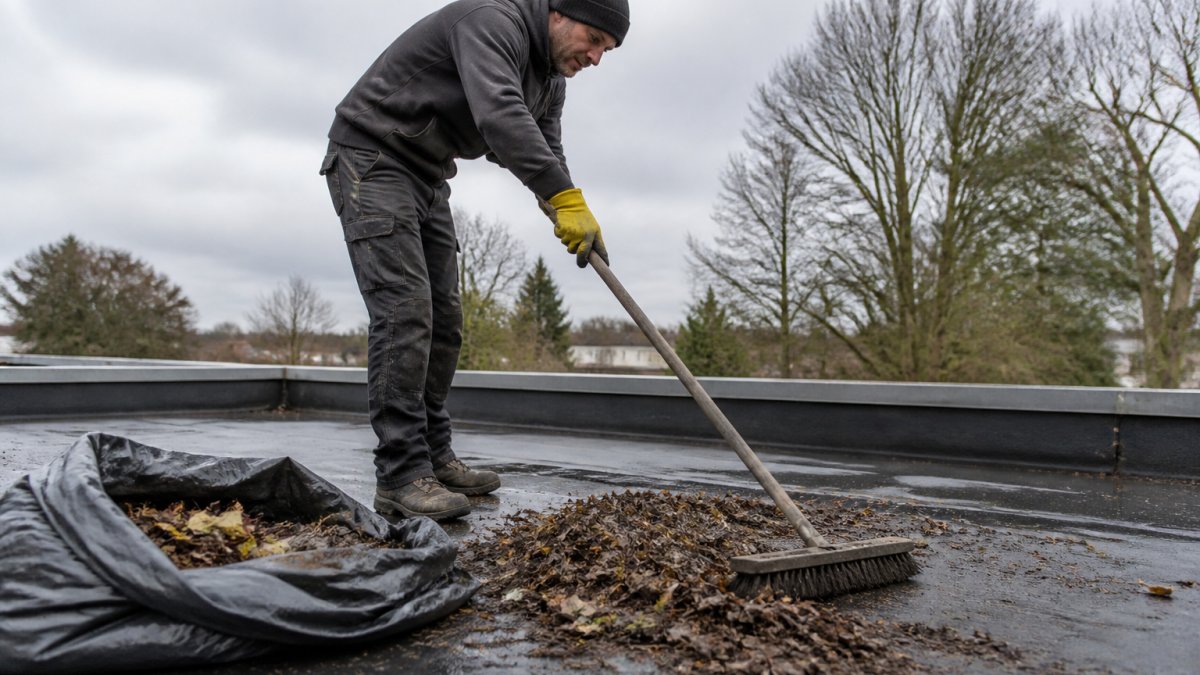
April to May: Clear debris, check for damp spots, inspect seams and edges, test drainage, and repair small cracks or tears before heat stress arrives.
June to August: Inspect weekly during hot weeks, monitor for new bubbles, check drainage after rain, watch for interior water stains, and avoid walking on the roof during peak heat.
A roof that bubbles slightly in afternoon heat and flattens at night is normal. Contact a roofer if bubbles grow or remain after cooling.
Autumn and winter maintenance
September to October: Clear leaves and debris, check gutters and downpipes, inspect for cracks, seal gaps in seams, and ensure the roof deck dries properly after rain.
November to February: Keep the roof clear of leaves and standing water, check for pooling after rain or snow, inspect for ice dams, and monitor for interior water stains.
Winter moisture is the enemy. Water that sits on the roof or seeps into gaps will freeze and expand. This pushes the membrane further and can cause permanent damage by spring.
How to Repair a Flat Roof Blister: Step-by-Step Process
Small blisters can sometimes be repaired without replacing the entire membrane. Larger ones or repeated bubbling usually require professional help.
When to attempt minor repairs yourself
Step 2: Cut an X across the blister about 10cm long, cutting only through the membrane.
Step 3: Peel back the flaps gently to avoid tearing the membrane further.
Step 5: Apply adhesive to the underside of flaps and roof deck, following manufacturer's drying time instructions.
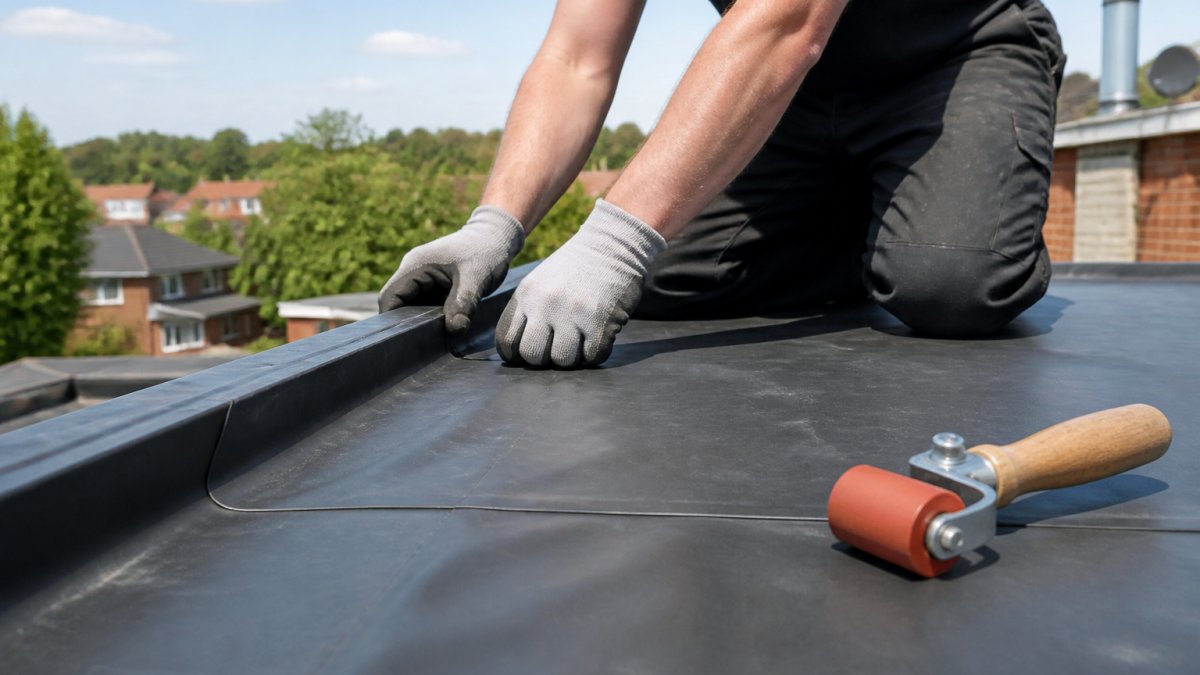
Step 6: Press the flaps down firmly with even pressure, working from center outward to avoid trapping air.
Step 7: Seal the cuts with roofing sealant once adhesive has set.
Step 8: Monitor the repair weekly for a month. If the blister returns, professional help is needed.
When to call a professional roofer
Call a professional if the blister is large (over 30cm), multiple blisters are present, it has cracked, the membrane is old, you're not confident at height, a DIY repair fails, or water has entered the building.
A professional roofer can assess whether patching or replacement is needed and identify the root cause to prevent recurrence.
ARRC Ltd specialises in flat roof repairs and replacements across Staffordshire, Cheshire, and Stockport.
Preventing Bubbling During Installation and Material Selection
Most flat roof bubbling problems start during installation. Proper surface preparation and material choice prevent bubbles from forming in the first place.
Surface preparation and moisture control
The roof deck must be clean and dry before installation. Remove loose material and debris, repair holes and cracks, clean thoroughly, allow 48 hours drying, and fill gaps in the deck.
A damp roof deck is the most common cause of future bubbling. Contact adhesive creates a strong bond on clean, dry surfaces, while expanding foam adhesive can trap air pockets if not applied carefully.
Choosing the right roofing system for hot climates
Different materials handle heat differently. EPDM rubber is flexible and durable but expands more; felt is stiffer but more prone to cracking.
For hot climates: EPDM rubber (flexible, durable, handles heat well), felt (affordable, stable, prone to cracking), PVC (reflects heat, lighter colour), or TPO (similar to PVC, newer).
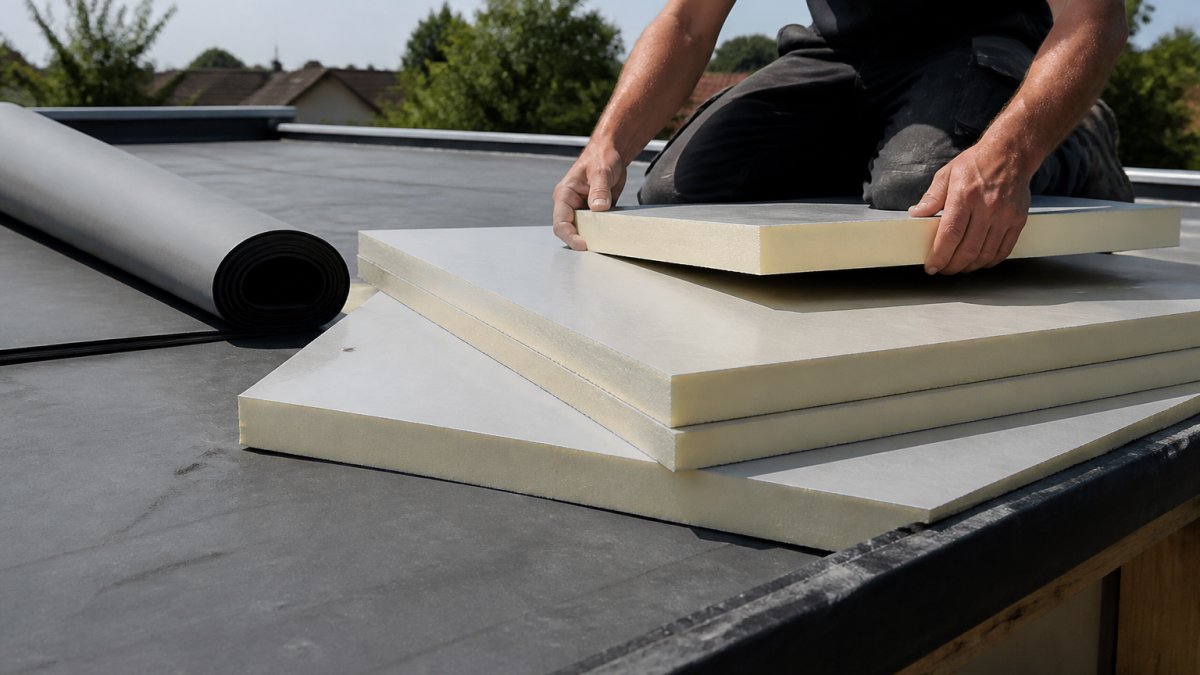
Lighter-coloured membranes stay 20-30°C cooler than dark surfaces, reducing expansion stress. Ventilation beneath the membrane also reduces temperature differences and expansion stress.
Roof Ventilation and Drainage: Controlling Heat and Moisture
Ventilation and proper drainage work together to control heat and moisture, the keys to preventing flat roof bubbling.
How airflow reduces temperature extremes
A ventilated roof has air channels beneath the membrane that circulate air, reducing temperature differences and expansion stress while allowing trapped moisture to evaporate.
Ventilation systems include:
- Roof vents, Openings that allow air to enter and exit
- Ventilation channels, Plastic or timber strips that create airflow paths
- Ridge vents, Vents along the highest edge that allow hot air to escape
- Soffit vents, Vents along the lower edge that allow cooler air to enter
A well-ventilated roof stays cooler and lasts longer. The membrane experiences less expansion stress, and any moisture that does get trapped can escape.
Managing ponding water and roof deck condition
Ponding water is water that sits on the roof instead of draining away. It is the enemy of flat roof health.
Ponding water:
- Adds weight to the membrane
- Seeps into gaps and gets trapped
- Expands when heated, pushing the membrane up
- Freezes in winter, causing further damage
- Shortens the membrane's life
Proper drainage prevents ponding. The roof deck must slope slightly toward gutters and downpipes. Even a small slope (1-2%) makes a huge difference.
Check for ponding after heavy rain. Water should drain within 48 hours. If it sits longer, you have a drainage problem that needs fixing.
The roof deck itself must be in good condition.
Common Mistakes to Avoid When Preventing Flat Roof Bubbling
Knowing what not to do is as important as knowing what to do.
Mistake 1: Ignoring small bubbles A single small blister today becomes widespread bubbling tomorrow.
Mistake 2: Poor surface preparation during installation Rushing the surface prep is false economy.
Mistake 3: Using the wrong adhesive Not all adhesives work with all membrane materials. EPDM requires EPDM-compatible adhesive.
Mistake 4: Ignoring drainage problems Ponding water is a red flag. Fix drainage issues immediately.
Mistake 7: Delaying professional repairs A small repair now costs a fraction of a full membrane replacement later.
Conclusion
You can prevent flat roof bubbling in hot weather through proper maintenance and care. Most bubbles are caused by heat expansion, trapped air, or trapped moisture. Regular inspection, proper maintenance, and professional installation stop these problems before they start.
The key is action: clear drainage, ensure proper ventilation, keep the roof clean, and address small issues before they become big ones. If you spot bubbles that do not flatten when the roof cools or if your roof shows signs of active leaks, contact a professional roofer immediately.
At ARRC Ltd, we specialise in preventing and repairing flat roof bubbling. Our team can assess your roof, identify the root cause of any bubbling, and carry out repairs or replacement using high-quality EPDM rubber roofing with a 20-year guarantee. Get a quote for your flat roof today and protect your property from water damage.
Frequently Asked Questions
Why does a flat roof bubble in hot weather?
Flat roofs bubble when heat causes water vapour and trapped air beneath the membrane to expand. During intense sunshine, the roofing membrane itself expands, creating stress at adhesion points. If moisture has accumulated in the roof deck or beneath the membrane during installation or due to poor ventilation, the heat accelerates expansion, forcing the membrane to lift and form blisters. This is especially common in EPDM rubber roofing if the surface wasn't properly dried before installation or if the roof structure lacks adequate ventilation.
How can I prevent blisters forming on a flat roof?
Prevent flat roof blistering by ensuring proper surface preparation before installation: the roof deck must be clean and completely dry. Install a ventilation system to allow airflow beneath the membrane, reducing trapped moisture and heat buildup. During summer months, inspect your roof regularly for early signs of bubbling and ensure guttering and drainage systems are clear to prevent ponding water. Use high-quality contact adhesive or expanding foam adhesive applied correctly, and consider a roofing system designed for temperature extremes. Professional installation is essential; poor workmanship is a leading cause of premature blistering.
What's the difference between a harmless cosmetic bubble and a serious roof defect?
A cosmetic bubble is a small, isolated blister that hasn't compromised the membrane's integrity or caused active leaking. It typically appears as a raised area but feels firm when pressed gently. A serious defect shows multiple blisters, soft or spongy areas when pressed, visible cracks or separation at seams, active water ingress into the property, or widespread lifting of the membrane from the roof deck. If you're unsure, have a professional roofer inspect it. They can determine whether the bubble is simply an aesthetic issue or signals underlying moisture damage or membrane failure that requires repair or replacement.
Should I repair or replace a blistered flat roof?
Repair is appropriate if blistering is isolated, the membrane is otherwise sound, and there's no active leaking. A professional can inject sealant or re-adhere the membrane in the affected area. However, replacement may be more cost-effective if blistering is widespread, the roof is nearing the end of its serviceable life, seams are separating, or the underlying roof deck is damaged. Consider the age of your roof: if it's 15-20 years old with multiple blisters, replacement with a modern EPDM system backed by a long-term guarantee often provides better value than repeated repairs.