 blog
blog
5 Best Flat Roof Materials for Residential Homes
Table of Contents
- How to Compare Flat Roof Materials for Your Home
- 1. EPDM Rubber Roofing
- 2. GRP Fibreglass Roofing
- 3. Bitumen Felt Roofing
- 4. Single-Ply Membrane Roofing
- 5. Liquid Applied Roofing Systems
- EPDM Rubber Roofing Cost: What Affects the Price
- Flat Roof Lifespan Comparison: How Long Each Material Lasts
- Frequently Asked Questions
Last Updated: October 1, 2026
How to Compare Flat Roof Materials for Your Home
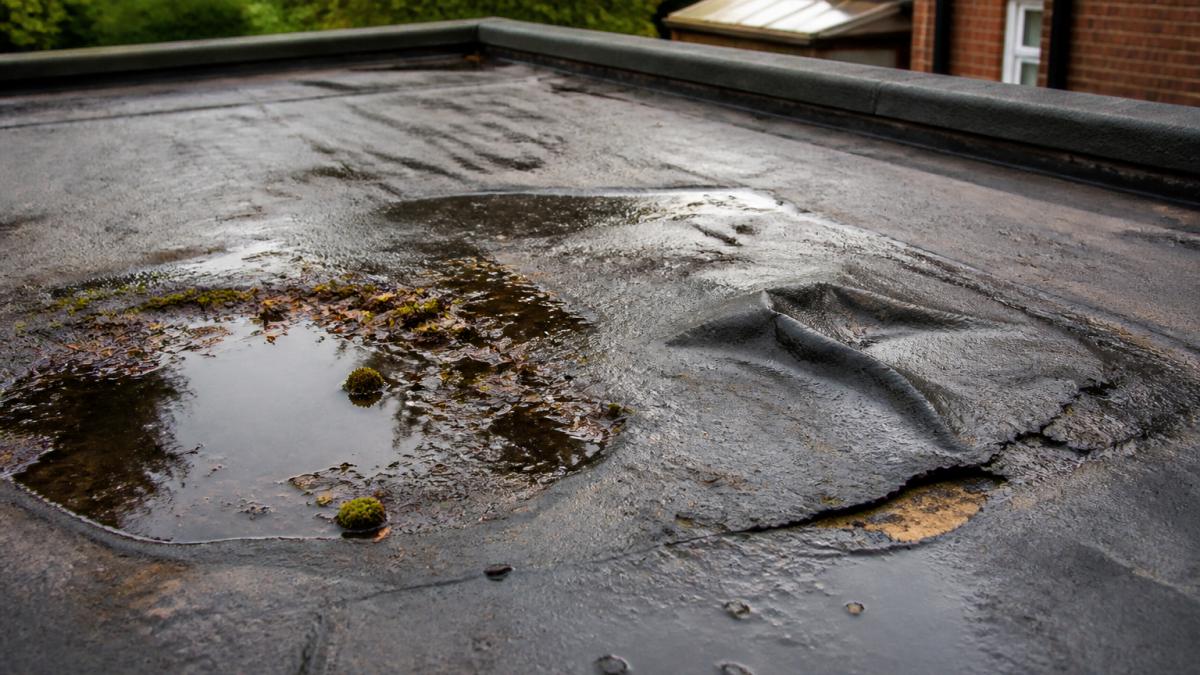
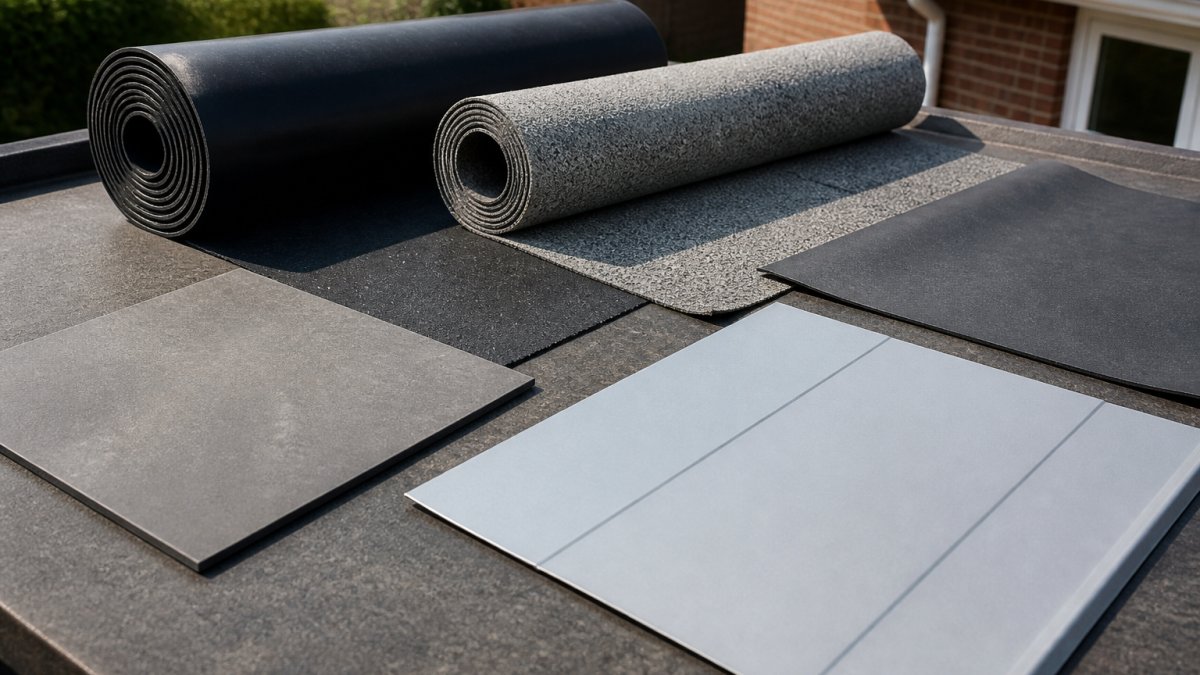
Choosing between flat roof materials comes down to four things: lifespan, water resistance, installation method, and how the roof performs where water tends to pool. This guide from ARRC Ltd breaks down the five most common options for residential properties so you can match a material to your budget and building.
Below, we'll show you exactly how each option handles standing water, what drives the cost, and which systems last longest. The comparison table further down puts all five side by side.
Most homeowners start with price. That's the wrong starting point. A cheaper membrane that fails at the seams after a few years costs more in the long run than a system installed once and left alone.
Here's what most guides get wrong: they list materials without explaining why one suits a garage and another suits a bay window. The building underneath changes the answer.
1. EPDM Rubber Roofing
EPDM rubber roofing is a single-ply synthetic rubber membrane supplied in large sheets, usually 1.2mm to 1.5mm thick. Because it arrives in wide rolls, a typical garage or extension roof can be covered with few or no joins at all. That matters, because seams are where most flat roofs fail.
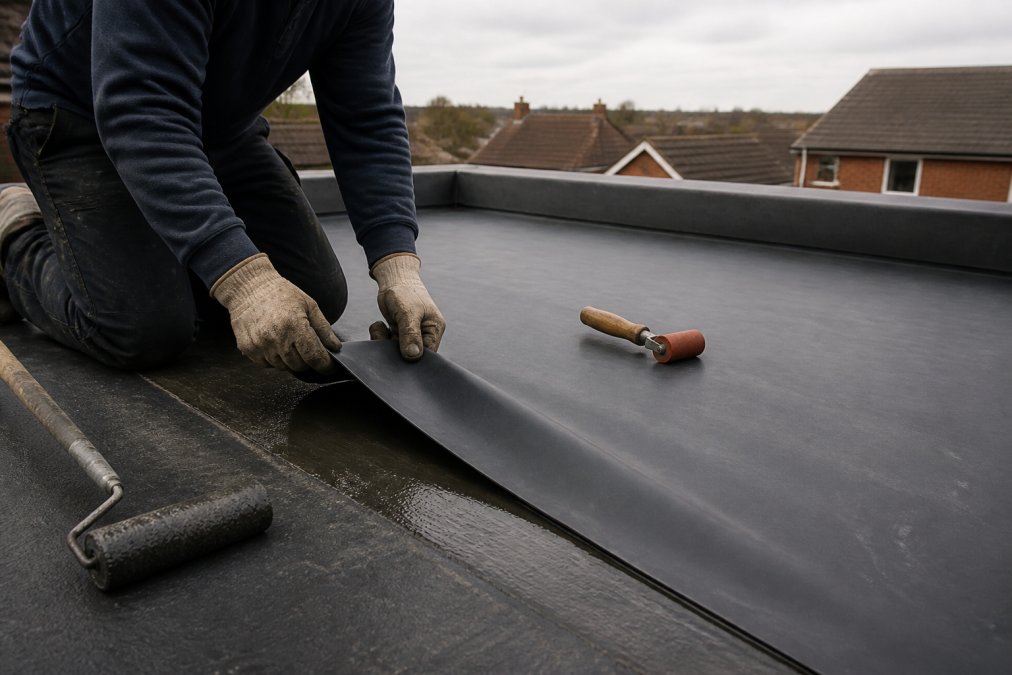
Installation is straightforward for a trained fitter: the membrane is laid over a clean deck, bonded with contact adhesive, and dressed over the edges. It stays flexible in cold weather and resists UV degradation well. For homeowners dealing with recurring leaks, the lack of seams is the single biggest advantage.
Pros and Cons of EPDM Rubber Roofing
Pros:
- Few or no seams on most residential roofs
- Stays flexible in low temperatures
- Handles foot traffic for maintenance
- Long service life when installed correctly
Cons:
- Requires a smooth, sound deck underneath
- Adhesive quality decides how well it holds
- Not the cheapest option upfront
- Punctures from sharp debris need prompt repair
2. GRP Fibreglass Roofing
GRP fibreglass is a glass-reinforced polyester system applied as a liquid resin over a matting layer. It cures into a rigid, seamless surface bonded directly to the deck. Because it's laid on site, it can be shaped around outlets, upstands, and awkward corners without joins.
That seamless finish is why fibreglass suits dormers and bay windows, where the roof shape is irregular. A common mistake is rushing the resin mix or applying it in damp conditions, which leaves a brittle finish that cracks.
Pros and Cons of GRP Fibreglass Roofing
Pros:
- Fully seamless, moulded on site
- Rigid surface resists impact
- Good for complex roof shapes
- Can be finished in a range of colours
Cons:
- Sensitive to poor weather during application
- Curing time adds to the schedule
- Can become slippery when wet
- Quality depends heavily on the installer's skill
3. Bitumen Felt Roofing
Bitumen felt is the traditional flat roof covering: layers of felt bonded with hot bitumen or torch-applied. It's the cheapest material to buy and the fastest to lay on a simple, small roof.
The trade-off is lifespan. Felt dries out, blisters, and splits over time, and every join is a potential leak. On a garage that you rarely look at, that may be acceptable. On a living space, it usually isn't.
Pros and Cons of Bitumen Felt Roofing
Pros:
- Lowest material cost
- Quick to install on simple roofs
- Widely understood by roofers
- Easy to patch short-term
Cons:
- Shortest lifespan of the five
- Seams are the weak point
- Degrades faster with sun exposure
- Frequent maintenance required
4. Single-Ply Membrane Roofing
Single-ply membrane roofing covers any factory-made sheet system, including EPDM, TPO, and PVC. Sheets are rolled out and joined by adhesive, heat welding, or mechanical fixing.
What most guides miss is that the joining method matters more than the material name. Heat-welded seams on a quality membrane outperform glued seams over time, but only if the welder is experienced. For most residential jobs, EPDM remains the practical single-ply choice because it needs fewer joins.
5. Liquid Applied Roofing Systems
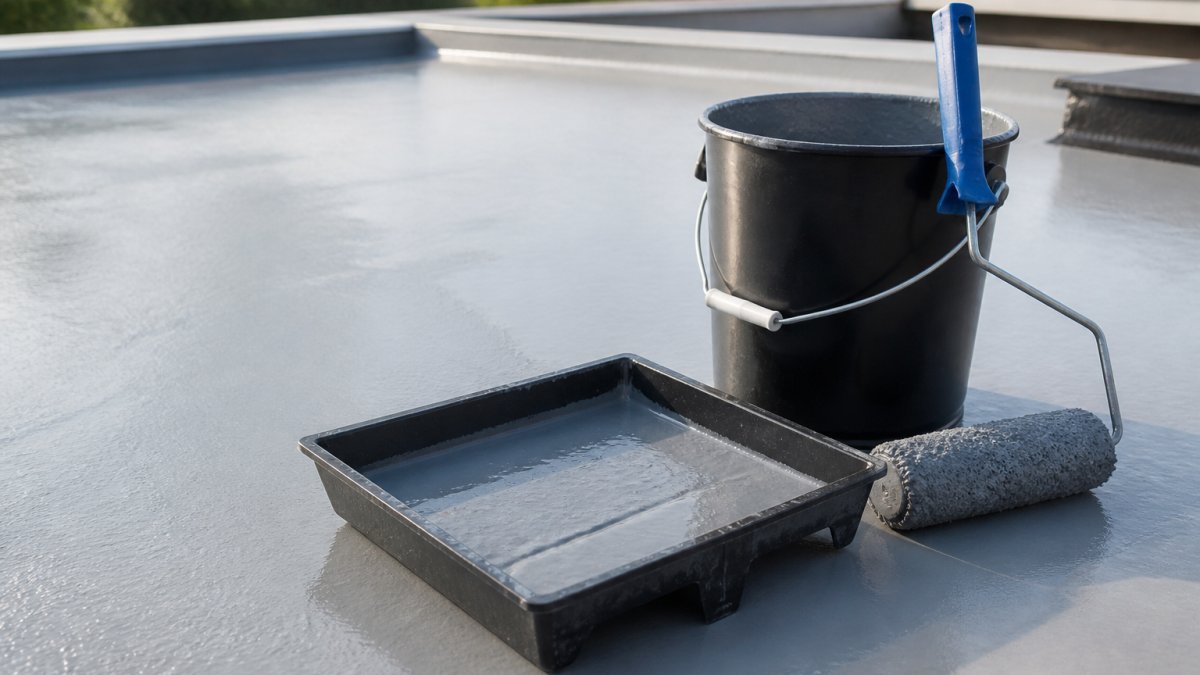
Liquid applied systems are painted or poured on as a liquid that cures into a seamless membrane. They're often specified for roofs with many penetrations, or as an overlay on an existing sound roof.
The catch: liquid systems need a dry, stable surface and correct curing conditions. Applied over a damp or failing deck, they trap moisture and blister. Where the substrate is sound and the weather cooperates, they seal complex details neatly.
EPDM Rubber Roofing Cost: What Affects the Price
EPDM rubber roofing cost depends on four main factors: the roof area, the condition of the existing deck, access and edge details, and whether old covering needs stripping. Pricing is quoted per project, so get a written quote rather than a per-square-metre estimate.
- Roof size - larger areas need more membrane and adhesive
- Deck condition - a rotten deck must be replaced before covering
- Access - scaffolding or difficult access adds labour
- Detailing - outlets, upstands, and skylights take time
- Strip-out - removing old felt adds disposal costs
For a current figure, request a quote from ARRC Ltd.
Flat Roof Lifespan Comparison: How Long Each Material Lasts
Flat roof lifespan comparison comes down to material, installation quality, and maintenance. EPDM and GRP generally last longest, felt shortest, with single-ply and liquid systems sitting in between depending on the seam method and substrate.
| Material | Typical Lifespan | Seams | Best For |
|---|---|---|---|
| EPDM rubber | Long | Few or none | Garages, extensions |
| GRP fibreglass | Long | None | Dormers, bay windows |
| Bitumen felt | Short | Many | Small outbuildings |
| Single-ply | Medium to long | Joined | Larger flat areas |
| Liquid applied | Medium | None | Complex details |
A common mistake is judging lifespan by material alone. A well-installed felt roof outperforms a badly installed rubber one every time. Building regulations for flat roofs also set requirements for drainage, insulation, and fire performance, so any replacement should meet current standards.
Frequently Asked Questions
What is the most durable material for a residential flat roof?
EPDM rubber is widely considered the most durable for residential flat roofs, often lasting 20 to 30 years. GRP fibreglass is also durable, typically lasting 20 to 25 years, but EPDM remains flexible and resistant to UV damage. Bitumen felt has a shorter lifespan of 10 to 15 years. The best choice depends on your budget and roof structure.
How long does an EPDM rubber roof typically last?
A professionally installed EPDM rubber roof can last 20 to 30 years. The material resists cracking, UV radiation, and extreme temperatures better than traditional felt. Proper installation, including secure seams and correct adhesive, is key to reaching the upper end of that range.
Do I need planning permission to replace my flat roof?
In most cases, replacing a flat roof on a residential property falls under permitted development rights if the new roof is similar in height and appearance to the old one. However, if the property is listed, in a conservation area, or if the roof height changes, you may need planning permission. Always check with your local planning authority before starting work.
Is GRP or EPDM better for a residential flat roof?
Both have strengths. EPDM is more flexible and easier to install in one piece, reducing seam leaks. GRP fibreglass is rigid and resistant to foot traffic, making it ideal for balconies or walk-on areas. EPDM tends to be more cost-effective for large, simple roofs, while GRP may suit complex shapes. Your roofer can advise based on your roof's specifics.
Flat roofs fail for predictable reasons: poor falls, bad seams, and rushed installation. ARRC Ltd has fitted flat rubber roofs across Staffordshire, Cheshire, and Stockport for over 30 years, backed by a 20-year guarantee and a five-star record on Rated People. We handle EPDM rubber roofing, fascias, soffits, and skylights in one visit, so you're not coordinating multiple contractors. Get a Quote from ARRC Ltd and sort your flat roof before winter.