 ultimate-guide
Is Flat Roof Patch Repair Permanent?
Table of Contents
- Why Flat Roof Patch Repair Isn't Permanent
- Common Causes of Flat Roof Leaks That Patching Won't Fix
- The Flat Roof Repair Lifespan: How Long Patches Actually Last
- Temporary vs. Permanent Solutions: What You Need to Know
- When to Replace a Flat Roof Instead of Patching
- EPDM Rubber Roof Repair Techniques for Long-Term Results
- Frequently Asked Questions
Last Updated: September 27, 2026
Why Flat Roof Patch Repair Isn't Permanent
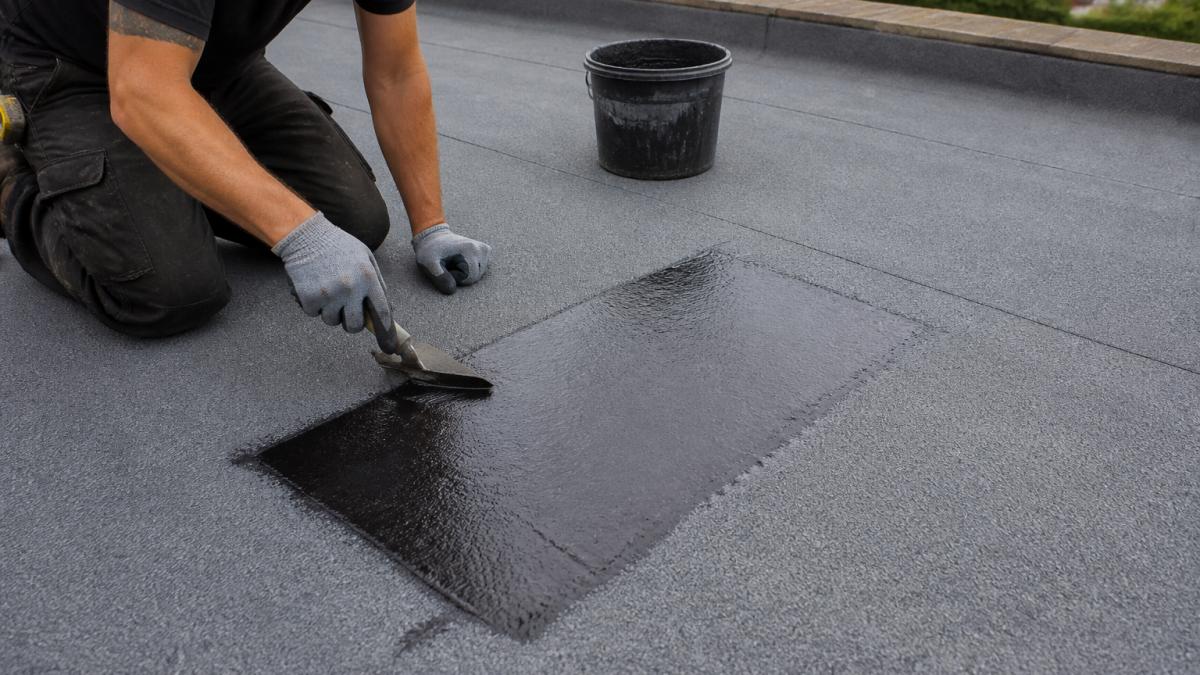
Flat roof patch repair is a temporary fix, not a long-term solution. A patched flat roof will eventually fail again, usually within a few years, because patches address only the symptom, the leak, not the underlying structural or material issues that caused it. This is the most important thing to understand before committing time and money to repair work.
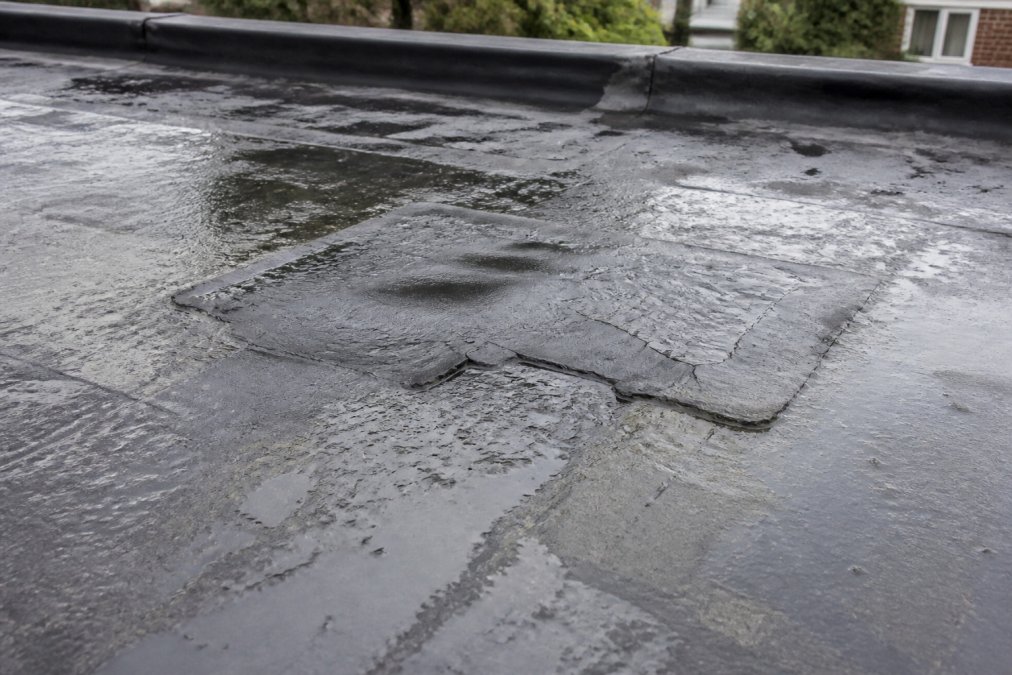
The reason is straightforward: patches are applied to existing roofing materials that are already degraded. Once a flat roof membrane begins to fail, whether it's bitumen, EPDM rubber, or GRP, the underlying substrate continues to deteriorate. Sealant applied over a damaged area creates a temporary water barrier, but it doesn't restore the integrity of the roof deck or prevent moisture entrapment beneath the membrane. Over time, thermal movement, UV degradation, and continued water ingress work around and under the patch, eventually creating new leaks at different points.
ARRC Ltd has seen this pattern repeatedly across residential and commercial properties. Homeowners often opt for patching because it's faster and cheaper than replacement. But when a second leak appears six months later, and a third appears a year after that, the total cost of repeated repairs often exceeds what a proper replacement would have cost from the start.
The critical distinction is this: a patch repair buys time. It doesn't fix the roof.
Common Causes of Flat Roof Leaks That Patching Won't Fix
Most flat roof leaks stem from issues that patching alone cannot resolve. Understanding the root cause of your leak is essential to deciding whether a patch might buy you time or whether replacement is the only realistic option.
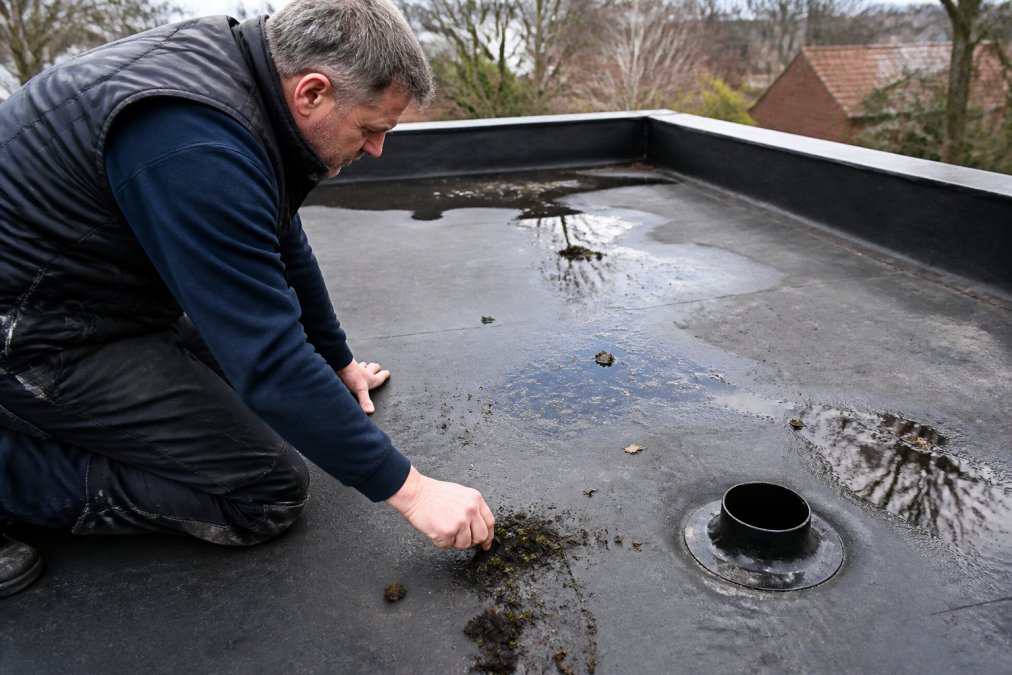
Ponding water is one of the most destructive problems. Flat roofs are prone to pooling water in low spots because of poor drainage or structural settling. Patching the leak doesn't address the water that continues to sit on the roof. Moisture becomes trapped, promoting blistering and seam failure. The patch may stop the immediate drip, but the water pressure and repeated freeze-thaw cycles will eventually breach it.
Seam failure occurs when the joints between roof panels separate. This is especially common in EPDM rubber roofing when the adhesive bond weakens or when thermal movement causes the seams to shift. A patch over a failed seam is like putting tape over a crack in a dam, it might hold briefly, but the structural weakness remains. The seam will continue to open and close with temperature changes, and the patch will eventually lift or tear.
Flashing deterioration happens where the roof meets walls, skylights, or guttering. Flashing is the metal or rubber trim that directs water away from vulnerable joints. When flashing corrodes or pulls away from the surface, water runs underneath the main roof membrane. Patching the leak inside doesn't fix the flashing. Water will find another path in.
UV degradation and blistering occur naturally as roofing materials age. Bitumen and GRP become brittle and develop cracks. EPDM can blister when moisture becomes trapped between the membrane and the substrate. These are signs that the material itself is failing. A patch covers one blister or crack, but more will form elsewhere as the material continues to degrade.
Structural movement in the roof deck, caused by settling, vibration, or poor support, creates stress on the membrane. Patches cannot compensate for a moving substrate. The movement will continue, and the patch will eventually fail at the edges or tear from the stress.
The Flat Roof Repair Lifespan: How Long Patches Actually Last
How long does a flat roof patch repair actually last? The answer depends on the quality of the work, the cause of the original failure, and the condition of the surrounding roof.
A well-executed patch using proper sealant and reinforcement materials might hold for 2 to 5 years. Some patches last longer if the underlying roof is still structurally sound and the leak was caused by a single, isolated defect. But many patches fail much sooner, within 6 to 18 months, if the roof is already showing signs of widespread deterioration.
The lifespan also depends on how well the patch is maintained. Sealant can crack and shrink over time, especially in areas with significant temperature swings (Checking your browser).
Temporary vs. Permanent Solutions: What You Need to Know
The distinction between temporary and permanent flat roof repair is critical to making the right decision for your property.
Temporary repairs include patching, resealing, and caulking. These address the immediate leak but don't restore the roof's structural integrity or address the underlying cause of failure. Temporary repairs are appropriate when:
- The roof is relatively new and the leak is from a single, isolated defect
- You're planning to replace the roof within the next 2 to 3 years anyway
- Budget constraints make immediate replacement impossible
- The leak is minor and occurs infrequently
Permanent solutions involve replacing the roof membrane or the entire roofing system. This restores full structural integrity, provides long-term weatherproofing, and typically comes with a warranty. Permanent solutions are necessary when:
- The roof is showing multiple signs of failure (blistering, cracking, multiple leaks)
- The membrane is more than 15 to 20 years old
- Patches have failed repeatedly
- The roof deck itself is damaged or compromised
- You want a guaranteed, maintenance-free solution for the next 20+ years Proactive care helps avoid the need for such extensive replacements, and you can consult our roof maintenance guide to establish a consistent schedule for preserving your system's longevity.
When to Replace a Flat Roof Instead of Patching
Knowing when to replace your flat roof instead of patching it can save you thousands of pounds and years of frustration.
Replace your roof if:
-
The roof is more than 15 to 20 years old. Most flat roofing materials reach the end of their serviceable life within this timeframe. If your roof is approaching or past this age, replacement is more cost-effective than patching.
-
Multiple leaks have appeared in different locations. One leak might be a fluke. Multiple leaks indicate systemic failure of the membrane. Patching one leak while others develop is not a sustainable approach.
-
You see widespread blistering, cracking, or UV damage. These are signs that the material itself is failing. Patching doesn't reverse material degradation. More damage will appear elsewhere.
-
Previous patches have failed. If a patch you had done a year or two ago is already leaking again, the underlying problem was not solved. The roof needs replacement, not another patch.
-
The roof deck is damaged or shows signs of rot. If water has penetrated deep enough to damage the structural substrate, patching the membrane won't help. The deck must be repaired or replaced before a new membrane is installed.
-
Ponding water is a persistent problem. If water regularly pools on the roof despite drainage efforts, the structural issue won't be solved by patching. You need either structural correction (re-sloping) or replacement.
-
You plan to stay in the property for more than 5 years. If you're keeping the property long-term, the investment in replacement provides better value than years of patching.
EPDM Rubber Roof Repair Techniques for Long-Term Results
EPDM rubber roofing is one of the most durable flat roofing materials available, and it can often be repaired more successfully than bitumen or GRP. However, the repair method matters significantly.
Frequently Asked Questions
How long do flat roof patches last?
Most patch repairs on flat roofs last between 3 to 7 years, depending on the underlying cause, material type, and weather exposure. Bitumen patches tend to degrade faster than EPDM repairs. However, patches are temporary fixes that address the symptom, not the root problem. If your roof has structural issues, ponding water, or thermal movement problems, patches fail repeatedly. A proper inspection reveals whether patching buys time or wastes money.
What's the difference between a temporary patch and a permanent flat roof repair?
A temporary patch seals a single leak without addressing what caused it, typically lasting months to a few years. A permanent repair replaces the entire roof membrane, fixes drainage issues, and addresses thermal movement and structural problems. Temporary fixes use sealant or bitumen tape; permanent solutions involve removing the old covering and installing a new membrane like EPDM, which comes with a long-term warranty and prevents recurring leaks.
Can all flat roof leaks be successfully patched?
No. Leaks caused by poor drainage, ponding water, seam failure, or structural damage cannot be permanently patched. If water sits on your roof (ponding), patching the low spot won't solve it, the water will find another weak point. Similarly, if the roof deck is damaged or thermal movement is cracking the membrane, patches will fail repeatedly. A professional inspection identifies whether your leak is patchable or if replacement is necessary.
When should I replace my flat roof instead of repairing it?
Replace your roof if you've had multiple repairs in the past 5 years, the membrane shows widespread blistering or cracking, the roof is over 20 years old, or you have persistent ponding water. If the cost of repeated repairs approaches 50% of replacement cost, replacement becomes the better investment. EPDM rubber roofing offers a 20-year lifespan and eliminates the cycle of temporary fixes, protecting your property long-term.