 blog
blog
Is Professional Flat Roof Repair Worth It?
Table of Contents
- Why Professional Flat Roof Repair Matters
- Signs a Flat Roof Needs Replacing
- Flat Roof Repair Cost and Budget Planning
- Repair vs Full Replacement: Making the Right Choice
- Lifespan of EPDM Rubber Roofing and Long-Term Value
- Warranty, Liability, and Professional Certification
- Common Flat Roof Problems and DIY Risks
- Frequently Asked Questions
Last Updated: September 26, 2026
Why Professional Flat Roof Repair Matters
Flat roof damage doesn't announce itself. A small leak today becomes structural decay in months. The question isn't whether to fix it, it's whether to do it yourself or call a professional. This guide explores when professional flat roof repair makes financial and practical sense, and when it doesn't.
Flat roofs face constant moisture exposure, poor drainage, and material fatigue requiring specific expertise to diagnose and fix. The cost of getting it wrong often exceeds professional work from the start.
With over 30 years of experience, we've learned the real cost isn't the invoice, it's what happens next. Does it leak again? Does the membrane separate? Does the fix last five years or fifteen?
Signs a Flat Roof Needs Replacing
Your flat roof sends clear signals before it fails completely. Recognizing them early determines whether you need a patch or a full replacement.
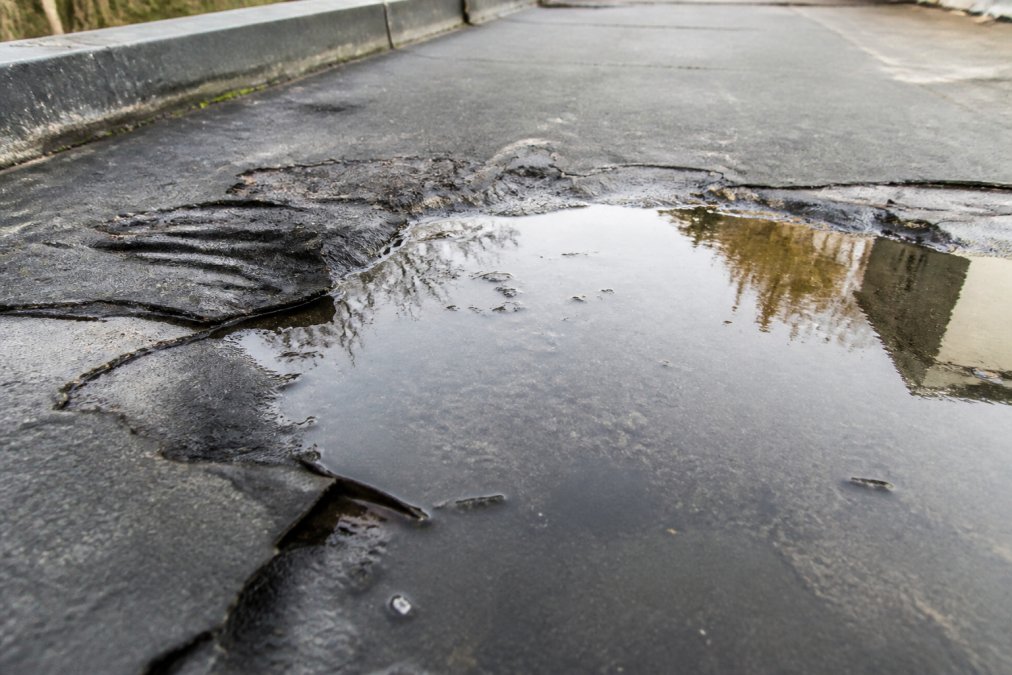
Water pooling is the first warning sign. Flat roofs should shed water immediately. If water sits in puddles after rain, the membrane is sinking or the drainage system is blocked. Pooling accelerates deterioration because standing water finds every weak point in the material.
Visible cracks and blistering indicate membrane breakdown. Blisters form when moisture gets trapped between layers; cracks expose the substrate. Both require professional assessment, they often extend deeper than visible damage suggests.
Interior water stains indicate moisture ingress through the membrane and potential sub-roof damage, not just roof repair.
Sagging sections suggest structural failure. If part of the roof dips visibly, the supporting structure has weakened. This is a safety issue and usually requires full replacement rather than repair.
Seam separation happens with EPDM rubber and other membrane materials. Seams are the weakest points. When they start pulling apart, water enters the gaps. Once separation begins, it spreads.
Flat Roof Repair Cost and Budget Planning
Cost depends on damage size, material type, and repair versus replacement needs. Compare immediate expense against long-term financial impact.
Typical repair costs by scope:
A small patch repair can be a temporary solution, but often uncovers hidden problems like substrate rot, corroded flashing, or membrane deterioration. The scope of repairs can expand for medium repairs affecting larger areas.
Full roof replacement depends on material and structural complexity. Labour accounts for a significant portion of the cost due to membrane installation, flashing detail, and safety protocols.
The 10-year cost-benefit calculation:
Model your likely costs over a decade to justify repair versus replacement. Professional replacement with a 20-year guarantee can offer long-term savings and eliminate emergency callouts and water damage risk compared to repeated repairs.
Material-specific cost variation:
EPDM rubber roofing lasts 20-30 years. Felt is often cheaper upfront but may require more frequent replacement. If your roof is felt and aging, EPDM replacement can be a more cost-effective long-term solution than re-felting.
Hidden costs of DIY repair:
DIY work often underestimates scope. A patch may uncover waterlogged substrate requiring decking replacement. Professional contractors quote full scope upfront because they assess before committing.
Getting accurate quotes:
Reputable contractors provide itemised quotes specifying area (square metres), materials, labour hours, warranty period, and inclusions. Avoid single-line-item quotes. Request at least two quotes; variation over 30% suggests missing scope. Factor in warranty length: a repair with a shorter guarantee is riskier than one with a longer guarantee.
Repair vs Full Replacement: Making the Right Choice
Repair makes sense when:
- Your roof is under 10 years old
- Damage is isolated to one or two areas
- The rest of the membrane is in good condition
- Sub-roof structure shows no moisture damage
- You plan to stay in the property for several more years
Replacement makes sense when:
- Your roof is over 15 years old
- Multiple problem areas exist across the roof
- Previous repairs have failed
- The membrane shows widespread deterioration
- You're planning major renovations or extensions
Add up likely repair costs over five years and compare to replacement cost. If repairs total 60% of replacement cost, replace. Modern EPDM rubber roofing offers better insulation than aging membranes, reducing heating costs. Repeated repairs, emergency callouts, and water damage often exceed replacement cost.
Lifespan of EPDM Rubber Roofing and Long-Term Value
A properly installed EPDM rubber roof lasts 20-30 years, resisting UV damage and moisture better than felt. Lifespan depends on installation quality and maintenance. Professional installation with proper membrane overlap, secure seaming, and correct flashing protects your investment.
ARRC Ltd backs our EPDM rubber roofing with a 20-year guarantee. This reflects confidence in material quality and workmanship. A guarantee is only valuable if the business exists to honour it, choose contractors with established track records and insurance backing their promises.
Long-term value comes from reliability. A roof that doesn't leak, doesn't require emergency repairs, and doesn't cause water damage to your property is worth significantly more than the installation cost. Over 20 years, this translates to thousands of pounds saved in avoided damage and repair callouts.
Warranty, Liability, and Professional Certification
This is where DIY fails completely, and where professional work protects your property and finances. Professional repair includes warranty and liability protection; DIY work includes neither.
How DIY voids manufacturer warranties:
When you purchase EPDM rubber roofing, GRP, or felt materials, the manufacturer's warranty (typically 10-20 years) applies only to professional installation by certified contractors. The moment you install it yourself, that warranty is void. If the membrane fails due to a manufacturing defect, seam separation, UV degradation, or material brittleness, the manufacturer won't cover replacement or repair. You bear 100% of the cost.
This is documented in manufacturer terms. For example, major EPDM suppliers specify that warranty requires installation by contractors trained and approved by the manufacturer. DIY installation automatically disqualifies you from claiming against defects.
Insurance policies compound this problem. Most home insurance policies exclude claims arising from DIY roof work. If water damage occurs because your DIY repair failed, your insurer can deny the claim. You're liable for all damage, not just roof repair, but interior water damage, mould remediation, and structural repairs.
Professional warranty structure:
A certified contractor's warranty typically covers two distinct areas:
-
Workmanship warranty (usually 5-10 years): Covers defects in installation, sealing, flashing detail, or membrane placement. If the roof leaks within this period due to installation error, the contractor fixes it at no cost.
-
Material warranty (usually 10-20 years): Covers defects in the roofing materials themselves. This is backed by the manufacturer and applies because the contractor is certified to install their products.
Both warranties are backed by public liability insurance, which covers damage to your property or third-party injury during work. If a contractor damages your guttering, fascia, or a neighbour's fence, their insurance covers it, not your homeowner's policy.
Building Regulations and certification requirements:
Certain roof work requires compliance with Building Regulations, enforced by local authority building control. Specifically:
- Replacement of more than 25% of roof area requires building control approval and certification that work meets current thermal efficiency standards (Part L of Building Regulations).
- Extensions or loft conversions with new roofing must be inspected and signed off by building control.
- Structural repairs (e.g., replacing rotted joists or rafters) require building control involvement.
DIY work on these projects is technically permitted, but building control must inspect and approve it. In practice, inspectors often identify defects in DIY work and require professional remediation. If you sell the property later without building control sign-off, buyers' surveyors flag it as a defect, reducing property value or killing the sale.
Professional contractors handle building control liaison. They know which work requires approval, submit applications, and arrange inspections. This eliminates compliance risk and protects your property's legal status.
How to verify contractor credentials:
Before hiring, confirm:
-
Membership in a trade body: Look for membership in the National Federation of Roofing Contractors (NFRC), the Flat Roofing Alliance, or equivalent. These bodies require members to maintain insurance, follow standards, and handle complaints.
-
Public liability insurance: Ask for a copy of their current certificate. It should cover at least £1 million in liability. Verify the certificate is current (not expired) and covers roofing work specifically.
-
EPDM or material certification: If using branded materials (e.g., Firestone EPDM, Sika GRP), ask if they're an approved installer for that brand. Approved installers have completed training and can offer manufacturer-backed warranties.
-
References and track record: Ask for references from work completed 3-5 years ago. Contact those customers and ask if the roof is still performing, if any issues arose, and if warranty claims were honoured.
-
Written warranty terms: Get the warranty in writing, specifying what's covered, for how long, and what voids it. Verbal promises aren't enforceable.
The cost of cutting corners:
A contractor quoting significantly below market rate (e.g., 40% cheaper than other quotes) is likely cutting corners: using inferior materials, rushing installation, or skipping proper flashing detail.
Common Flat Roof Problems and DIY Risks
Frequently Asked Questions
How do I know if my flat roof needs repairing or replacing?
Look for persistent leaks after heavy rain, visible blistering or cracking in the membrane, pooling water that doesn't drain, or seams that are separating. If your roof is over 15 years old or requires repairs more than once annually, full replacement often provides better long-term value. A professional inspection can determine whether patch repairs will hold or if structural integrity has been compromised beyond economical repair.
What does a 20-year guarantee on EPDM rubber roofing actually cover?
A comprehensive guarantee typically covers manufacturing defects, seam failures, and membrane deterioration under normal weather conditions. It usually does not cover damage from improper maintenance, extreme weather events, or work by unqualified installers. Always verify the specific terms with your roofing contractor, as guarantees depend on professional installation and may require annual inspections to remain valid.
Is it cheaper to patch a flat roof or replace it entirely?
Patch repairs cost significantly less upfront, but repeated repairs within a short timeframe quickly add up. If your roof requires more than one major repair every 3-5 years, full replacement becomes the cost-effective choice. Professional assessment of the roof's structural integrity and remaining lifespan is essential to avoid false economy, a cheap patch that fails within months wastes money and leaves your property vulnerable to moisture ingress and sub-roof damage.
Why should I hire a certified, insured roofing contractor instead of attempting DIY repair?
Improper flat roof work creates serious risks: incomplete waterproofing leads to hidden moisture damage, falls from height cause injury, and unregistered work may breach building regulations and void insurance claims. Professional contractors carry liability insurance, understand flashing and membrane installation to building standards, and provide workmanship guarantees. Poor DIY repairs often cost more to fix than hiring a tradesperson from the start.