 how-to
How to Prepare Your Home for Roof Installation
Table of Contents
- Roof Replacement Checklist for Homeowners: The Countdown to Installation Day
- How to Prepare Your Home for Roof Installation: Clearing the Driveway and Work Area
- Preparing Your Loft for Roof Work: What to Move and Cover
- Protecting Landscaping, Shrubs and Outdoor Furniture
- Inside the Home: Fragile Items, Wall Hangings and Light Fixtures
- How Long Does a Roof Replacement Take? Timelines and Weather Delays
- Questions to Ask a Roofing Contractor Before Work Begins
- Frequently Asked Questions
Last Updated: October 12, 2026
Roof Replacement Checklist for Homeowners: The Countdown to Installation Day
Preparing your home for roof installation comes down to one idea: clear the way, protect what matters, and know what happens next.
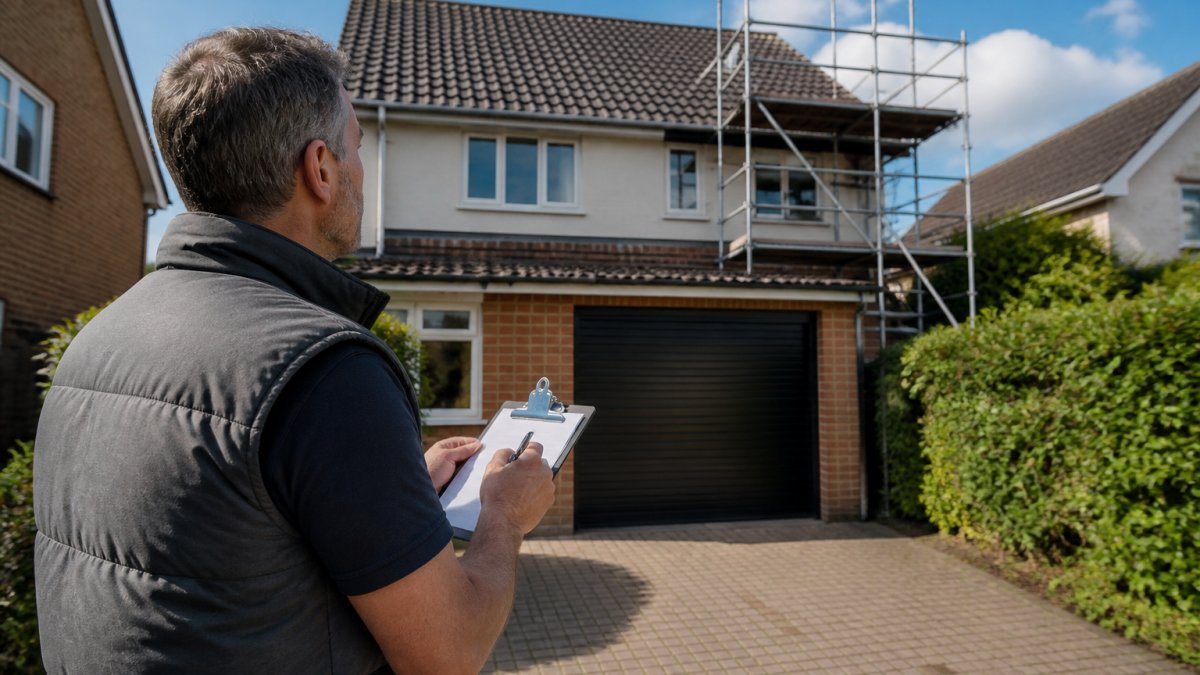
This guide covers how to prepare your home for roof installation step by step, from first phone call to final clean-up, with a day-by-day timeline and the questions worth asking before anyone climbs a ladder.
Most delays come from blocked driveways, cars left in the work area, and lofts packed with boxes nobody wanted to move. Sort those three things and installation day tends to go to plan.
One Week Before: Clear Access and Confirm the Schedule
The week before is about access and answers: a clear route to the property and a firm start date.
- Confirm the start date, working hours, and expected finish day in writing
- Clear the driveway and side access completely, moving bins, planters, toys, and bike racks out of the work area
- Ask where the crew will park and where skips or materials will sit
If you have a shared drive or live in a flat, speak to neighbours and the freeholder now, a quick note saves friction later.
Two Days Before: Move Vehicles and Protect the Garden
Two days out, focus on vehicles and the garden. Anything left under the roofline risks falling debris.
- Move all vehicles off the drive and away from the house
- Cover garden furniture, BBQs, and outdoor toys with tarps
- Move potted plants, ornaments, and garden features into a shed or garage
Tell your neighbours too. Roof work is loud, and debris can land in a neighbouring garden.
How to Prepare Your Home for Roof Installation: Clearing the Driveway and Work Area
Clearing the driveway and work area is the step homeowners most often underestimate. A crew needs room for a skip, a materials delivery, and safe ladder access at once.
Start outside and work inward. The aim is a clear, safe route from the road to the roofline.
- Park all vehicles on the street or in a garage well before the start date
- Move bins, planters, and garden tools away from the house, and clear paths so the crew can carry materials without tripping hazards
- Put pets indoors and keep them away from the work area
If access is tight, tell the contractor when you book so they can plan a smaller skip or different delivery method.
What Not to Do on Installation Day
Stay off the scaffolding and out of the work area. A homeowner on a ladder is a hazard to everyone.
- Do not climb onto the roof or scaffolding, or move ladders, boards, or materials
- Do not let children or pets into the work area
- Do not try to help with heavy lifting
Your job on the day is simple: stay safe, stay reachable, and let the crew work.
Preparing Your Loft for Roof Work: What to Move and Cover
Preparing your loft for roof work protects belongings from dust and vibration. Roofing sends fine grit through gaps, and old felt or boards can shift as they come off.
Go up a few days before and deal with anything loose or valuable.
- Move boxes, suitcases, and seasonal items away from the roof slope
- Cover what stays with old sheets or plastic dust sheets
- Remove anything stored directly under the roofline
Vibration travels through a building, so secure picture frames, mirrors, and shelves on the top floor before work starts.
Protecting Landscaping, Shrubs and Outdoor Furniture
Landscaping, shrubs, and outdoor furniture take the brunt of falling debris, old nails, tiles, and felt drop straight down, so the garden needs covering.
- Cover garden furniture with heavy tarps and weigh the edges down
- Move pots, gnomes, and ornaments into a shed or garage
- Lay boards or old sheets over delicate shrubs and flower beds
After the job, walk the garden with a magnet. Tyres and bare feet find stray nails first.
Inside the Home: Fragile Items, Wall Hangings and Light Fixtures
Inside the home, the risk is vibration: hammering and stripping shake the whole building, and loose items fall.
- Take down wall hangings, mirrors, and pictures on the top floor
- Move fragile items, glassware, and ornaments away from external walls
- Secure or remove light fixtures and ceiling fans
Small plaster cracks are common after roof work, so note existing cracks beforehand to tell what is new.
How Long Does a Roof Replacement Take? Timelines and Weather Delays
A roof replacement usually runs one to three days for a small flat or garage roof. The biggest variables are roof size, pitch, access, deck condition, and weather.
Here is a realistic stage-by-stage timeline to plan your week around:
| Stage | Typical Duration | What Happens |
|---|---|---|
| Scaffolding and skip delivery | Half a day | Towers or independent scaffolding erected, skip sited, materials craned or carried up |
| Strip old covering | Half to one day | Old tiles, felt, or EPDM removed and lowered into the skip |
| Deck inspection and repair | Half a day | Rotten boards, battens, or firrings replaced before new covering goes on |
| Fit new covering | One to three days | Underlay, membrane, tiles, or rubber laid and fixed |
| Fascias, soffits, guttering | Half a day | Rotten timber replaced, new guttering hung and sealed |
| Finishing and clean-up | Half a day | Ridge, flashings, magnetic sweep of drive and garden, scaffold removal booked |
What Each Day Actually Looks Like
Day one is the noisiest: scaffolding goes up, the skip lands, and stripping starts. If you work from home, take calls from a back room.
Day two is quietest for you but most important for the roof.
Day three onwards is the rebuild: new membrane, battens, and covering go down. Flat or EPDM work is faster but more weather-sensitive.
The final half-day is finishing and clean-up.
Weather Delays: What Actually Stops Work
Not all bad weather stops a roof. The thresholds that matter in practice are:
- Rain, most tile and slate work pauses because wet surfaces are unsafe and mortar will not set. EPDM and some torch-on systems also fail in the wet.
- Wind, sustained gusts above roughly 23 mph (Force 5) make handling sheets and tiles unsafe and can damage scaffolding. Crews will usually stand down rather than risk a sheet going over.
- Frost and ice, frozen deck boards and frozen adhesive stop flat roof work. Below about 5°C, some adhesives and sealants will not cure properly.
Expect a one- to two-day slip for every full rain day in winter, since the crew must re-mobilise, re-check the deck, and re-book the skip. Build a three- to five-day buffer for jobs between October and March.
How Rescheduling Works in Practice
Ask your contractor these questions before work starts, so a weather delay does not catch you out:
- How much notice will you give me if tomorrow is called off?
- Will the crew return the next dry day, or go to another job first?
- If the roof is left half-stripped, how will you make it watertight overnight?
A reputable contractor will always make a stripped roof watertight before leaving site, even with temporary breather membrane and battening. If they cannot explain how, that is a warning sign.
Keeping the Drive Clear Through Delays
If the job slips, keep the drive and access route clear. Do not move your car back the moment the crew leaves, they may return at short notice on the next dry window, and a blocked drive can cost a day of progress. Keep bins, toys, and planters off the work area until the scaffolding comes down.
Questions to Ask a Roofing Contractor Before Work Begins
Most guides stop at "are you insured?" and "what does the guarantee cover?". Those matter, but the questions below cover what competitors miss: crew communication, safety boundaries, and how the job is inspected and documented at the end.
Communication Checklist for the Contractor
Agree these before day one, and get them in writing in the quote or a follow-up email:
- Arrival and finish times, what time will the crew arrive, and what time will they leave each day?
- Named point of contact, who do you call if something goes wrong, and what is their mobile number?
- Access points, which door, gate, or side path will the crew use, and will they need a key or code?
A crew that cannot answer these before the job starts will usually improvise on the day, and improvisation is where damage and delays come from.
Safety Boundaries: What You Should Not Do
Roofing is one of the highest-risk trades, and the biggest cause of accidents on domestic jobs is homeowners trying to help. Set these boundaries before the crew arrives:
- Stay off the roof and scaffolding. No exceptions, even to retrieve a ball or check a gutter.
- Do not move ladders, boards, or materials. A ladder repositioned by a homeowner can invalidate the contractor's risk assessment.
- Keep children and pets out of the work zone. Define the zone as the drive, the side path, and a 3-metre strip around the house.
If anyone in the household has accessibility needs, is hard of hearing, or may not understand the boundary, tell the contractor in advance so they can adjust the site setup, add barriers, or schedule the noisiest work to suit you.
Special Considerations: Renters, Shared Properties, and Accessibility
Not every reader owns a detached house with a private drive. Sort any of the following before the start date:
- Renters, you need the landlord's written permission for scaffolding, skip siting, and any fixing to the building. Get it by email so there is a record.
- Shared drives or communal entrances, speak to the freeholder or managing agent, and give neighbours at least a week's written notice of scaffolding, skip, and noise.
- Flats and maisonettes, scaffolding may need to cross a neighbour's airspace or garden. Agree access in writing and confirm who is liable if a plant pot or fence is damaged.
Post-Installation Inspection and Documentation
The job is not finished when the last tile goes on. This checklist is where your guarantee is won or lost:
- Walk the perimeter with the contractor. Check gutters, downpipes, flashings, and ridge lines while the scaffolding is still up.
- Check the loft in daylight. Look for daylight around the chimney, vents, and valleys. Any light means a gap that will leak.
- Get the guarantee in writing. Confirm what is covered, for how long, whether it is insurance-backed, and whether it transfers if you sell the house.
Frequently Asked Questions
What should I do before roofers arrive on installation day?
Clear the driveway completely so the roofing crew can park and unload materials, and move vehicles onto the street or a neighbour's drive. Bring in or cover outdoor furniture, pots and garden ornaments, and trim back any tree branches near the roofline. Let neighbours know work is starting so they can move their cars and close windows against dust. On the day itself, keep children and pets indoors and away from the work area, and make sure someone is contactable if the contractor needs access to the property.
Do I need to protect items in my loft during a roof replacement?
Yes. Roof work sends dust, grit and small debris through the loft space, and vibration can shift stored items. Before work starts, move boxes, bags and loose belongings away from directly under the roof, or cover them with plastic sheeting or old tarps. Remove anything fragile or valuable from the loft entirely. If anyone sleeps in a converted loft room, plan alternate living arrangements for the noisiest days, since hammering and footsteps above will be constant from early morning.
How long does a roof replacement take, and what happens if it rains?
Most residential roof replacements take several days to a couple of weeks, depending on the size of the roof, the materials, and how much of the existing structure needs repair. Weather delays are common, and a responsible contractor will pause work in heavy rain or high winds for safety and to protect exposed sections. Ask your contractor upfront how they handle rescheduling, how they weatherproof the roof overnight, and whether delays push back the completion date or the final payment.
What should I ask a roofing contractor before work begins?
Ask for proof of insurance and any relevant certification, and confirm who is responsible for building control notification if the work requires it. Get the guarantee in writing, including exactly what it covers such as seam failure or material defects, and how long it runs. Clarify the start date, expected duration, daily working hours, and how weather delays are handled. Ask whether fascias, soffits and guttering are included or need a separate contractor, and confirm the payment schedule and final inspection process.