 blog
blog
Benefits of Replacing a Flat Roof: 2026 Homeowner Guide
Table of Contents
- Why a Flat Roof Replacement Is More Than Just Fixing a Leak
- Flat Roof Replacement Cost UK: What Affects the Price
- EPDM Rubber Roofing Benefits: Durability and Weatherproofing
- Roofing Certification Requirements UK 2026: What You Need to Know
- Planning Permission, Building Regulations, and Insurance
- Long-Term Maintenance and Sustainability After Replacement
- Frequently Asked Questions
Last Updated: September 21, 2026
Why a Flat Roof Replacement Is More Than Just Fixing a Leak
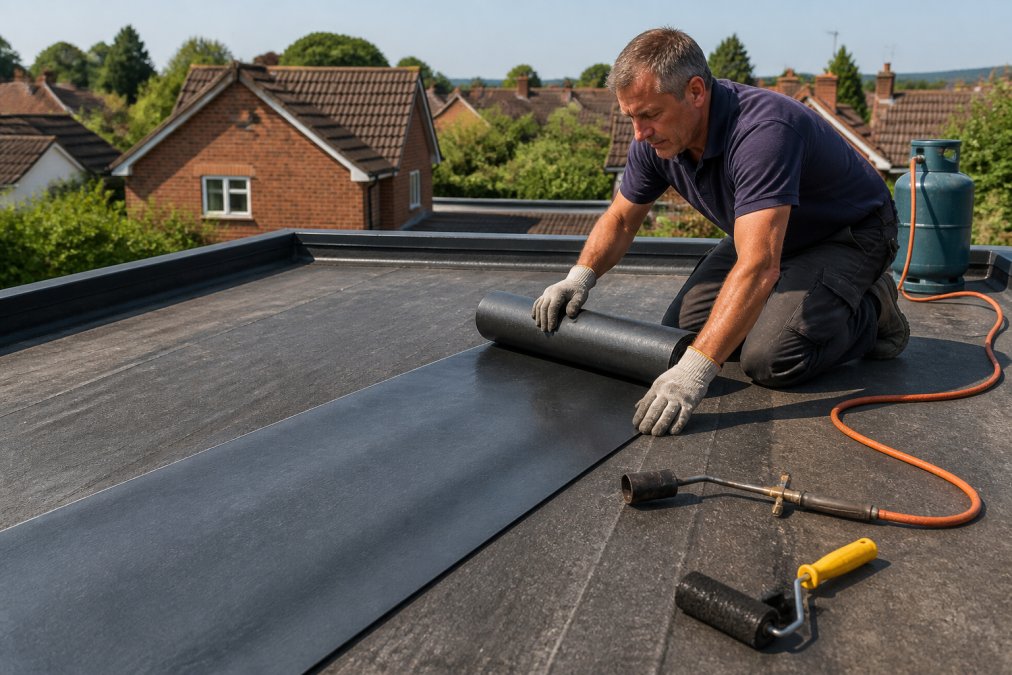
Replacing a flat roof is the process of stripping an aged or failed roof covering and installing a new waterproofing system, such as EPDM rubber, to protect the building for decades. This guide from ARRC Ltd covers what the work involves, what drives the cost, and why a full replacement often beats repeated patch repairs. The benefits of replacing a flat roof go far beyond stopping a drip: you get better insulation, lower energy bills, and a 20-year guarantee instead of another short-term fix.
A common mistake is treating every leak as a small repair job. In practice, by the time water shows up inside, the felt has usually failed across the whole roof. Patching one leak point just moves the problem along the seams.
So what actually changes when you replace rather than repair?
- Structural integrity: a new deck and membrane carry weight and shed water properly
- Thermal performance: modern insulation cuts heat loss and energy costs
- Water resistance: one continuous membrane removes the leak points that plague old felt
- Lifespan: a properly installed rubber roof lasts far longer than patch repairs
Flat Roof Replacement Cost UK: What Affects the Price
There is no single flat roof replacement cost UK homeowners can budget from a headline figure. Pricing depends on the size, access, materials, and extras involved, so the only reliable number comes from a site survey and a written quote. What follows is the shape of the market so you can sanity-check any quote you receive.
Typical Price Bands by Roof Type
These are indicative ranges only. Regional labour rates, the condition of the existing deck, and whether the old covering contains asbestos all move the final figure.
Materials and Labour
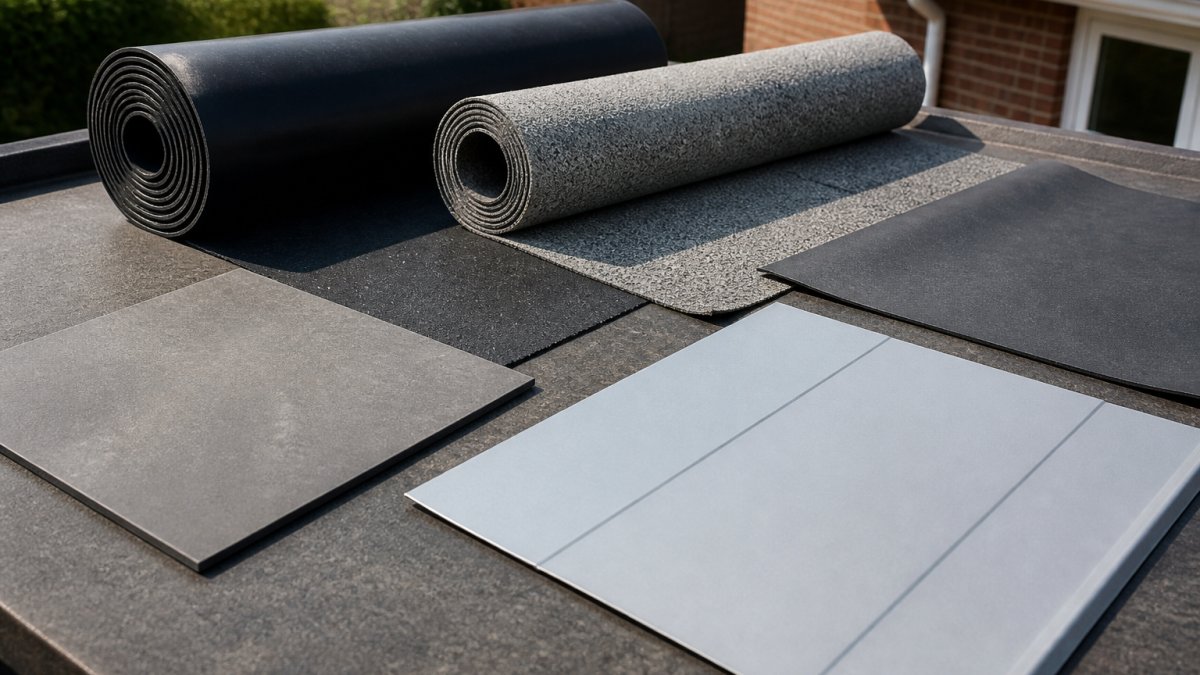
The covering you choose sets much of the price. EPDM rubber costs more upfront than basic felt but lasts far longer, which spreads the cost over more years. As a rule of thumb, a well-installed EPDM membrane is expected to last for decades, while other systems may need replacing sooner. GRP (fibreglass) offers a long service life. Labour depends on how long the job takes and how easy the roof is to reach.
Access, Size, and Added Extras
A garage roof is quick to access; a bay window or dormer over a garden is not. Scaffolding, height, and awkward shapes all add time and cost. Fascias, soffits, guttering, and skylights add to the total but save you coordinating separate contractors. If the existing deck is soft or the joists have rotted, expect a separate carpentry line on the quote.
| Cost factor | What pushes the price up | What keeps it down |
|---|---|---|
| Roof size | Large area, more materials | Small garage or bay |
| Access | Scaffolding, height, tight spaces | Ground-level, easy reach |
| Material | EPDM rubber, GRP, added insulation | Basic felt |
| Deck condition | Rotten boards, new joists | Sound existing deck |
| Extras | Fascias, soffits, skylights, parapets | Roof covering only |
What a Good Quote Should Include
A written quote should itemise the membrane type and thickness, the insulation specification and its U-value, whether the deck is being replaced, the guarantee length, and whether VAT is included. If a quote is a single lump sum with no breakdown, ask for the detail before you compare it against others.
For a firm figure, request a quote based on a survey of your property.
EPDM Rubber Roofing Benefits: Durability and Weatherproofing
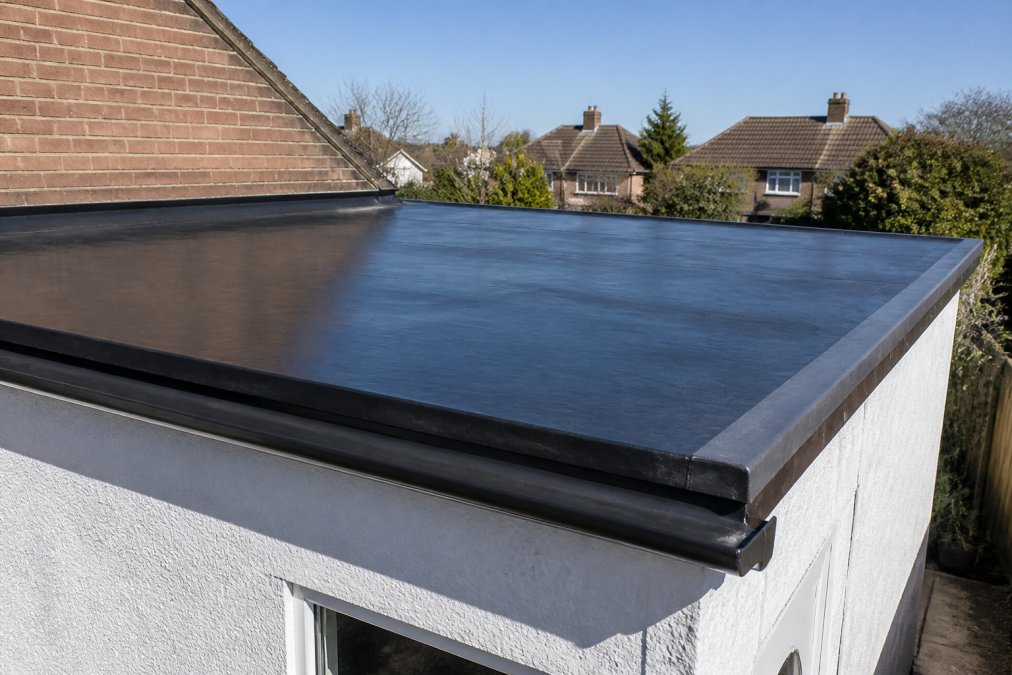
EPDM rubber roofing benefits come down to one thing: a single, seamless sheet that resists everything the weather throws at it. EPDM is a synthetic rubber membrane installed as one continuous covering, so there are far fewer seams where water can get in. It stays flexible in cold weather, handles UV exposure without cracking, and shrugs off standing water that would rot felt.
How EPDM Compares to Traditional Felt
Traditional felt is cheap and quick to lay, but it dries out, cracks, and lifts at the seams within a few years. EPDM is tear-resistant, tolerates movement, and keeps its water resistance for decades. For anyone tired of annual repairs, that difference is the whole argument for switching.
Roofing Certification Requirements UK 2026: What You Need to Know
Roofing certification requirements UK 2026 centre on building regulations and competent-person proof, not a single national licence. Roof work must meet the Building Regulations approved documents, and any replacement that affects thermal performance must meet current insulation standards. A reputable contractor provides proof of insurance and works to building control sign-off.
Which Regulations Actually Apply
For a flat roof replacement, the two Approved Documents that come up most often are:
- Approved Document L (Conservation of fuel and power): if you replace or substantially renew the roof covering, the thermal element must be upgraded to meet current U-value targets. In practice this means adding insulation to bring the roof up to the standard expected for a new thermal element, not simply reinstating what was there.
- Approved Document B (Fire safety): relevant where the roof is close to a boundary, on a building with specific fire-resistance requirements, or where the membrane specification is restricted.
Competent-Person Schemes and Sign-Off
There is no single national roofing licence. Instead, compliance is demonstrated in one of two ways:
- A competent-person scheme. The installer is registered with a scheme that allows them to self-certify that the work meets building regulations, and they notify the local authority on your behalf. You receive a certificate of compliance.
- Building control inspection. If the installer is not registered, you (or they) must submit a building notice or full plans application to the local authority, and a building control surveyor inspects the work.
Insurance, Guarantees, and What to Check
A common mistake is hiring on price alone. The last roofer may have claimed to be registered but was not, leaving the homeowner to sort compliance themselves. Always ask for insurance details and confirmation that the work will be signed off before you pay a deposit.
Two documents matter most:
-
Public liability and employer's liability insurance. Ask for the certificate, not just a verbal assurance. If a worker is injured on your property and the contractor is uninsured, the liability can fall to you.
-
A manufacturer-backed guarantee. A workmanship guarantee from the installer is only as good as the installer's business. A membrane manufacturer's product guarantee, registered in your name, survives even if the installer ceases trading. Check the guarantee length, what it covers, and whether it is transferable if you sell.
-
Confirm which Approved Documents apply to your roof
-
Check whether the installer is in a competent-person scheme
-
Ask for the insurance certificate, not just a claim of cover
-
Register the manufacturer's guarantee in your own name
Planning Permission, Building Regulations, and Insurance
Most flat roof replacements fall under permitted development, so you rarely need planning permission to replace like for like. But building regulations still apply, and if you change the roof's height, shape, or use, you may need formal approval. Check with your local authority before work starts.
- Confirm whether planning permission is needed
- Check building regulations sign-off is included
- Tell your insurer about the new roof
- Get the guarantee in writing before work begins
Long-Term Maintenance and Sustainability After Replacement
Post-replacement maintenance is simple, but it is not nothing. Clear debris from the roof and check the gutter inspection points twice a year. A routine inspection in autumn, before the worst weather, catches most problems early.
Energy Saving Trust guidance on home insulation
Frequently Asked Questions
What are the downsides of having a flat roof?
Flat roofs can be prone to pooling water if the drainage falls are inadequate, which is why correct installation matters. They also need more frequent routine inspection than pitched roofs to catch small leaks early. However, modern systems like EPDM rubber roofing are tear-resistant and UV-resistant, addressing many traditional weaknesses. A professional flat roof replacement can deliver a lifespan of 20 to 30 years when installed correctly.
How much should a flat roof replacement cost in the UK?
There is no fixed price for a flat roof replacement cost UK homeowners pay. The total depends on the roof size, the material chosen, access requirements, and whether extras like fascias, soffits, or skylights are included. EPDM rubber generally costs more upfront than felt but lasts longer. Get a detailed quote from a qualified contractor rather than relying on generic estimates, as every property differs.
How does a new EPDM roof compare to traditional felt roofing?
EPDM rubber roofing benefits include superior durability, resistance to UV and weather, and fewer seams where leaks can start. Traditional felt can become brittle and crack over time, especially after harsh winters. EPDM is also tear-resistant and can accommodate minor structural movement. While the initial cost is higher, the longer lifespan and lower maintenance needs often make it more cost-effective over the life of the roof.
Do I need building regulations approval for a flat roof replacement?
If you are replacing a flat roof on a habitable extension or a main dwelling, building regulations approval is usually required to ensure thermal performance and structural integrity meet current standards. For unheated garages or outbuildings, it may not be needed. Always check with your local building control body before work starts. A reputable contractor will guide you through the certification requirements UK 2026 and handle the paperwork.
Replacing a flat roof is a decision most homeowners put off until water is coming through the ceiling. Doing it properly, with the right membrane, correct insulation, and a written guarantee, ends the repair cycle for good. At ARRC Ltd, we have over 30 years of experience fitting EPDM rubber roofs across Staffordshire, Cheshire, and Stockport, backed by a 20-year guarantee and a 5-star rating on Rated People. Get a quote from ARRC Ltd and replace your flat roof once, not every other year.