 ultimate-guide
Flat Roof Guarantee Terms Explained: A UK Homeowner Guide
Table of Contents
- Why Flat Roof Guarantees Need Careful Reading
- Workmanship Guarantee vs Manufacturer Warranty: Key Differences
- What an Insurance Backed Guarantee Roofing Policy Adds
- Typical Flat Roof Warranty Exclusions You Must Know
- How to Verify a Roofer's Guarantee Before You Pay
- Transferring Roof Guarantee When Selling House
- What Happens When You Need to Make a Claim
- Conclusion: Secure a Guarantee That Holds Up
- Frequently Asked Questions
Last Updated: September 7, 2026
Why Flat Roof Guarantees Need Careful Reading
A flat roof guarantee is only as valuable as the small print it is written in. Many homeowners discover too late that their "20-year guarantee" covers little more than the membrane itself, leaving them to fund labour costs and repairs when water finds its way through a poorly sealed seam. Understanding the terms before you sign separates a genuine safety net from a piece of paper that offers false comfort.
At ARRC Ltd, we have spent over three decades installing flat rubber roofs across Staffordshire, Cheshire, and Stockport. The reality is that the roofing industry uses several distinct types of protection, and they are not interchangeable.
The most common point of confusion is the difference between a workmanship guarantee and a manufacturer warranty. Most quotes will mention one or both, but few contractors explain what each actually covers when a problem appears.
Workmanship Guarantee vs Manufacturer Warranty: Key Differences
A workmanship guarantee is a contractual obligation from the roofing contractor to rectify installation defects, while a manufacturer warranty covers faults in the roofing materials themselves. These two protections address entirely different failure modes, and you need both for full coverage.
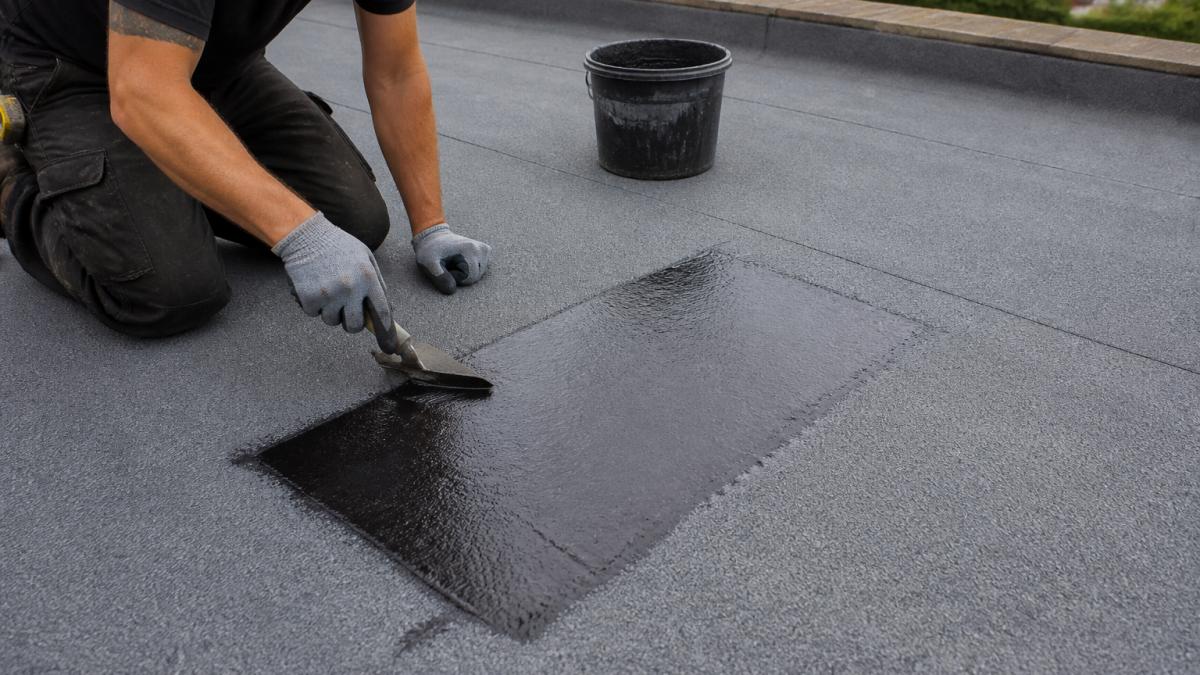
The workmanship guarantee protects you against poor installation. If the contractor fails to bond a seam correctly, fixes flashing inadequately, or leaves an edge detail that allows water ingress, the workmanship guarantee obliges them to return and correct the fault at their own cost. The duration of these guarantees varies by contractor, with many offering between 5 and 20 years depending on the system installed.
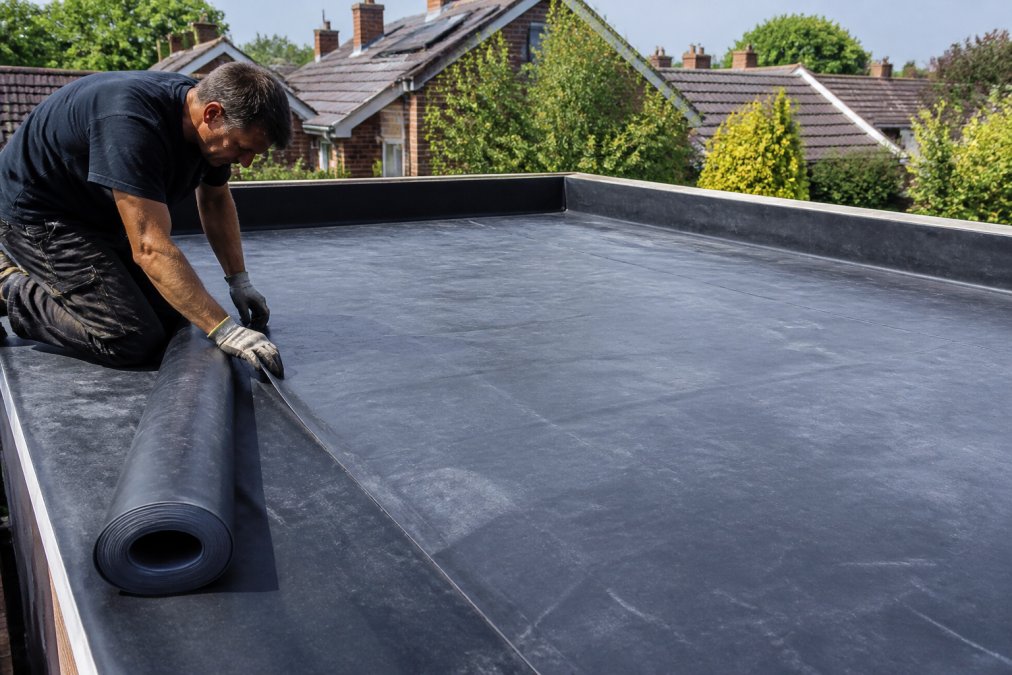
The manufacturer warranty, by contrast, covers defects in the material supplied. If your EPDM membrane develops a manufacturing fault, or your single-ply membrane degrades prematurely despite correct installation, the manufacturer bears the cost of replacement materials. However, these warranties often carry strict conditions about who may install the product and how the roof must be maintained.
| Guarantee Type | Covers | Issued By | Typical Duration |
|---|---|---|---|
| Workmanship | Installation errors, poor detailing | Roofing contractor | 5-20 years |
| Manufacturer | Material defects | System manufacturer | 10-25 years |
| Insurance Backed | Contractor insolvency | Third-party insurer | Matches workmanship term |
The critical gap appears when a contractor goes out of business. A workmanship guarantee is only enforceable while the company that issued it still exists, which is why the next layer of protection matters.
What an Insurance Backed Guarantee Roofing Policy Adds
An insurance backed guarantee roofing policy protects you if the contractor who installed your roof ceases trading before their workmanship guarantee expires (gov.uk). Without this protection, your guarantee becomes worthless the moment the company dissolves, leaving you to fund repairs that should have been covered.
The insurer steps in to honour the terms of the original workmanship guarantee, arranging for another approved contractor to rectify the defect. This protection is particularly valuable in the roofing sector, where company failures are not uncommon and where the cost of correcting a poor installation often exceeds the original job price.
What most guides miss is that an insurance backed guarantee is only as strong as the insurer underwriting it. Before accepting a quote that includes this protection, ask which insurance provider backs the policy and verify that they are a regulated UK insurer. Some contractors advertise an IBG but use thinly capitalised schemes that may not honour claims when you need them.
Typical Flat Roof Warranty Exclusions You Must Know
Flat roof warranty exclusions are the conditions under which your guarantee becomes void, and they are far more extensive than most homeowners realise. Reading the exclusions before installation is essential, because they dictate how you must maintain the roof for the guarantee to remain valid.
Common exclusions across most flat roof guarantees include:
- Damage caused by foot traffic without designated walkways
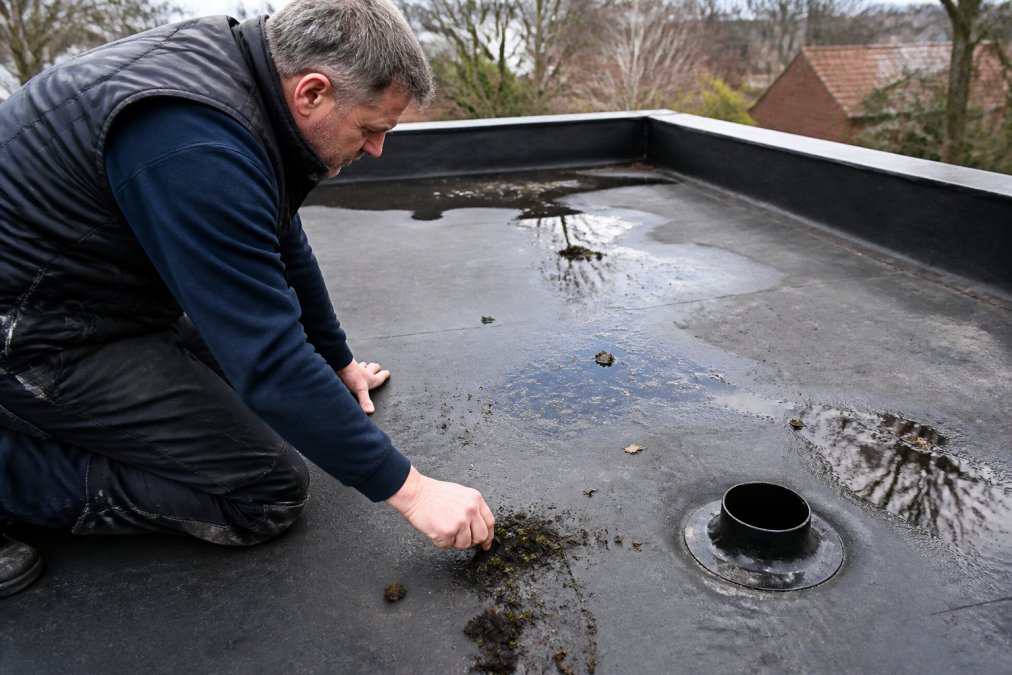
- Ponding water that remains on the roof for extended periods
- Modifications or penetrations made after installation without manufacturer approval
- Failure to follow the specified roof maintenance schedule
- Damage from extreme weather events beyond normal UK conditions
- Blocked or inadequate drainage causing water to back up under the membrane
The maintenance schedule is where many homeowners trip up. Most manufacturer warranties require annual inspections and the removal of debris, moss, and leaves. Evidence of these inspections must be documented if you ever need to claim, so keep dated records and photographs.
Structural integrity issues also void guarantees. If your roof deck moves, deflects, or develops rot beneath the membrane, the manufacturer will argue that the failure stems from the substrate rather than their product. Ensuring your roof structure is sound before installation is your responsibility, not the contractor's.
How to Verify a Roofer's Guarantee Before You Pay
Before you hand over payment, you need written confirmation of exactly what the guarantee covers and who is liable for what. A verbal assurance carries no legal weight if the contractor later disputes the claim.
Start by requesting a copy of the guarantee certificate before work begins. This document should name the contractor, describe the roofing system installed, state the duration of cover, and list the specific terms and conditions. If the contractor cannot produce this document, treat it as a red flag.
Check that the contractor is registered with the manufacturer of the roofing system they propose to install. Most membrane manufacturers, including EPDM and single-ply system producers, only honour their warranties when the installer holds current certification. An uncertified installer may still offer a workmanship guarantee, but the manufacturer warranty will be void from day one.
Guidance on consumer rights for faulty building work explains that you also have statutory protections under UK consumer law, which sit alongside any contractual guarantee. These rights cannot be waived by the contractor's terms, and they provide a useful backstop if the guarantee itself proves inadequate.
Transferring Roof Guarantee When Selling House
Transferring a roof guarantee when selling house is possible with most manufacturer warranties and insurance backed guarantees, provided you follow the correct administrative steps. A transferable guarantee adds genuine value to your property because it reassures buyers that the roof carries protection beyond the standard builder's snagging period.
Most reputable manufacturers allow the guarantee to transfer to a new owner for the remainder of the warranty period, sometimes for a small administrative fee. Workmanship guarantees from individual contractors are less predictable, as they depend on the contractor's willingness to accept a new client relationship.
If you are selling, locate the original guarantee certificates and check the transfer provisions. Some guarantees require the new owner to be notified within a specific timeframe of the property transfer, and failing to meet this deadline can void the protection entirely.
When buying a property with a flat roof, always request copies of any guarantees before exchanging contracts. Verify that the roof was installed by an approved contractor and that the guarantee is still valid. A roof without documentation should be treated as having no warranty at all, which may justify a lower offer.
What Happens When You Need to Make a Claim
Filing a claim under a flat roof guarantee follows a specific process, and how you handle the early stages often determines whether the claim succeeds. The most common reason claims fail is a lack of documentation showing that the guarantee's conditions were met.
Your first step is to notify the contractor or manufacturer in writing as soon as you notice a defect. Most guarantees specify a notification window, and delaying can give the other party grounds to reject your claim. Describe the problem clearly, include dated photographs, and request a site inspection.
The inspection will determine whether the failure falls under the workmanship guarantee, the manufacturer warranty, or neither. This is where the distinction between the two protections becomes critical. An installation defect will be the contractor's responsibility, while a material failure requires the manufacturer to supply replacement membrane.
Building regulations guidance for flat roof construction states that any flat roof work must comply with the relevant building regulations, and a failure to obtain the necessary approvals can void your guarantee. Confirm that your installation was signed off by building control before you attempt to claim.
If the contractor disputes your claim, your next step is the insurance backed guarantee provider. They will arrange an independent assessment and, if the claim is valid, appoint an alternative contractor to carry out the repair. Keep every piece of correspondence and maintain a log of all communications throughout the process.
Conclusion: Secure a Guarantee That Holds Up
A flat roof guarantee is only worth the paper it is written on if you understand its terms, its exclusions, and the financial strength of the party backing it. The difference between a workmanship guarantee, a manufacturer warranty, and an insurance backed guarantee is not academic. It determines whether you pay for a repair or walk away with no cost when a defect appears.
Your choice of contractor matters as much as the materials they use. A contractor with verifiable manufacturer accreditations, a documented guarantee certificate, and insurance backed protection offers a level of security that a cheaper quote cannot match.
ARRC Ltd installs EPDM rubber roofing systems backed by a 20-year guarantee, using materials from manufacturers whose warranties we are certified to honour. Our team handles everything from garage roof replacements to full commercial installations across Staffordshire, Cheshire, and Stockport, and we provide clear documentation of every guarantee we issue.
Get a quote from ARRC Ltd and secure a flat roof guarantee that holds up when you need it most.
Frequently Asked Questions
How long should a flat roof be guaranteed for?
A quality installation backed by a workmanship guarantee typically lasts 10 to 20 years. Many EPDM and single-ply membrane manufacturers offer material warranties of 20 to 25 years, with 20 years being a common benchmark for a complete flat roof guarantee. Always confirm both the workmanship and material terms in writing before work starts.
What is the difference between a workmanship guarantee and a manufacturer's warranty?
A workmanship guarantee covers the quality of the installation itself, including seam bonding, flashing details, and edge terminations. It is a contractual obligation from the roofing contractor. A manufacturer's warranty covers defects in the roofing material, such as premature membrane failure, and is only valid if an approved contractor carries out the installation to the manufacturer's specification.
Does a flat roof guarantee transfer to new homeowners?
Most guarantees are transferable, but the process varies. Some manufacturers and contractors allow transfer with a written application and a small fee, while others require a property inspection first. Check the terms and conditions in your original paperwork, and inform the guarantee provider in writing after the sale completes to keep the cover valid.
What common issues are typically excluded from flat roof guarantees?
Flat roof warranty exclusions commonly cover damage from severe weather, foot traffic, ponding water caused by inadequate falls, lack of maintenance, and alterations made by third parties. Many guarantees also exclude leaks from adjoining structures, such as parapet walls or chimneys, unless specifically detailed in the contract. Read the exclusion clauses carefully so you know what maintenance duties fall on you.