 how-to
Why Flat Roof Seams Fail: Causes and Fixes
Table of Contents
- Why Flat Roof Seams Fail: The Main Culprits
- Signs of Flat Roof Water Ingress
- EPDM Rubber Roofing Repair Techniques
- Flat Roof Repair for Listed Properties
- Diagnostic Checklist: Inspecting Your Roof Seams
- Preventative Maintenance and Long-Term Protection
- Repair vs. Replacement: Cost-Benefit Analysis
- Conclusion
Why Flat Roof Seams Fail: The Main Culprits
Flat roof seams fail for predictable reasons. At ARRC Ltd, we've spent over 30 years identifying why seams fail in residential and commercial properties across Staffordshire, Cheshire, and Stockport. The membrane itself isn't the weak point, the seam is. It's where two pieces of material meet, where adhesion must hold under thermal stress, and where water exploits the tiniest gap.
The causes break down into five main categories: thermal expansion and contraction, UV degradation of adhesives, poor installation, ponding water, and structural movement. Most failures involve multiple causes working together, which is why a roof that seemed fine for five years can suddenly start leaking.
Thermal Expansion and Contraction
The biggest driver of seam failure is thermal movement. Flat roofs experience extreme temperature swings, from minus five degrees on a winter morning to thirty degrees or higher in summer. When a membrane heats, it expands. When it cools, it contracts. The sealant or tape holding the overlap has different expansion characteristics than the membrane, creating gaps. Over hundreds of thermal cycles per year, this repeated opening and closing gradually breaks the adhesive bond.
Bitumen-based membranes are particularly vulnerable because bitumen becomes more plastic when hot and more brittle when cold. EPDM rubber is more flexible across a wider temperature range, which is why EPDM systems generally perform better in climates with large thermal variations.
UV Radiation and Adhesive Degradation
Ultraviolet radiation breaks down the polymer chains in sealants and adhesive compounds. After five to seven years, many standard sealants have lost 30-40% of their original strength (peer-reviewed research). After ten years, they're often too brittle to flex with the membrane.
Bitumen-based membranes oxidise under UV exposure, making the bitumen harder and more brittle. When both the membrane and adhesive are oxidising simultaneously, the seam becomes a weak point faster than expected. EPDM rubber is more resistant to UV than bitumen, which is one reason EPDM systems often outlast bitumen systems by several years.
Poor Installation and Workmanship
Most seam failures trace back to installation. The critical variables are: overlap width, surface preparation, adhesive application, curing time, and temperature during installation. The overlap must be 75-100 millimetres; less than 50 millimetres is inadequate.
Surface preparation determines adhesion. The substrate must be clean, dry, and free of dust, dirt, and loose material. Many installers skip this step, applying sealant to a surface that looks clean but isn't. Curing time is often ignored; most adhesives require a specific period before the roof is exposed to weather or thermal stress. Temperature during installation also affects adhesive performance, many sealants perform poorly when applied in cold or damp conditions.
Ponding Water and Structural Movement
Ponding water, water that sits on the roof rather than draining, accelerates seam failure. Water sitting on a seam penetrates the weakest points first and adds hydrostatic pressure, stressing the adhesive bond.
Flat roofs develop ponding due to inadequate slope or structural deflection. An ideal flat roof has a slight slope, typically 1 in 40 or 2.5%, to shed water. Structural movement or deflection of the roof deck changes the roof's slope and creates stress on seams.
Signs of Flat Roof Water Ingress
Water ingress from failing seams shows itself in specific ways. Interior ceiling staining, blistering of the membrane, and visible cracks in the seam are the most obvious signs.
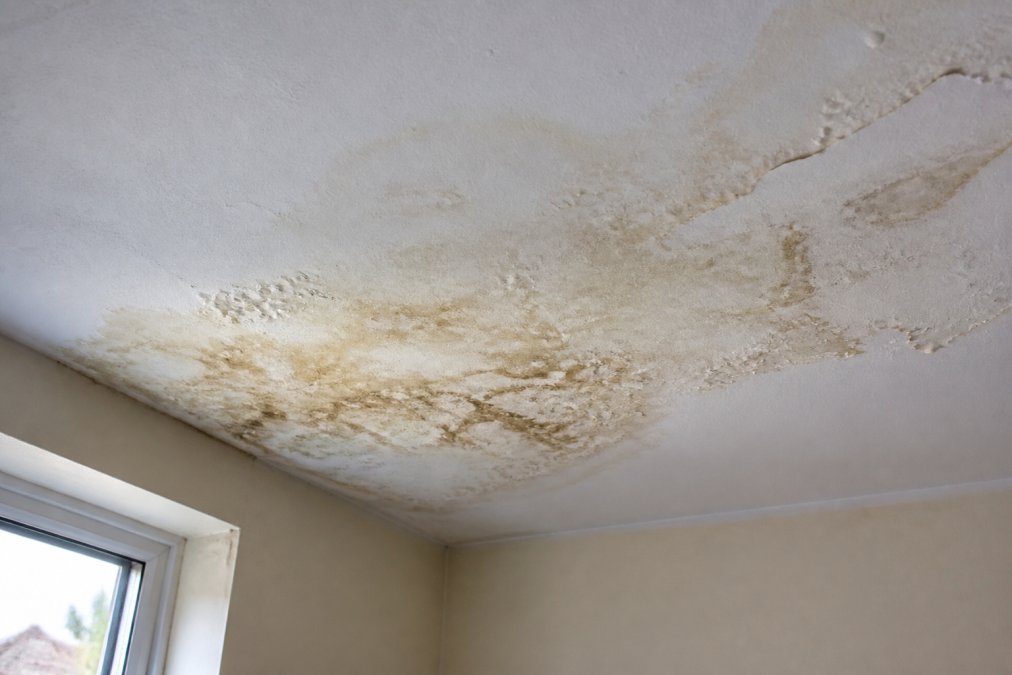
Look for these indicators:
- Blistering on the membrane surface. Blisters form when water vapour is trapped beneath the membrane. If blisters appear near seams, the seam has likely failed.
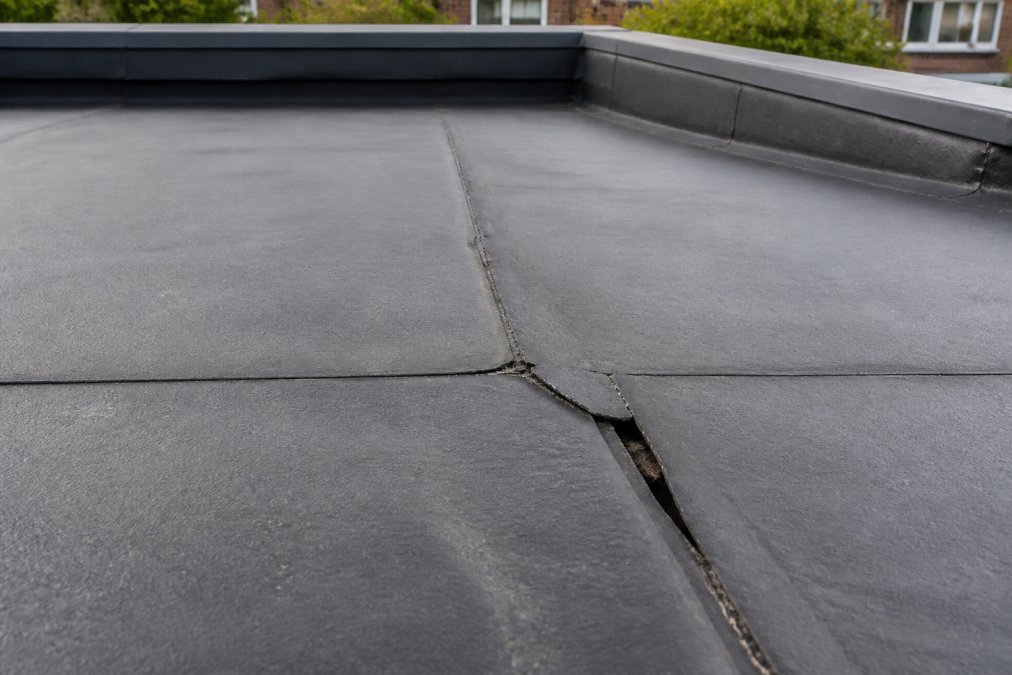
- Visible cracks or splits in the seam. If you can see the crack, water is already finding its way through.
- Seam tape peeling or separating. If tape edges are lifting, the adhesive has failed.
- Staining on the interior ceiling or walls below the roof. This is the clearest sign of water ingress.
- Soft spots on the roof membrane. If it feels soft or spongy, water has saturated the substrate.
- Mould or mildew on interior surfaces below the roof. Mould grows where moisture is present.
- Rust stains on metal components. Rust stains indicate water is sitting on the roof or entering through seams.
The time between the first sign of seam failure and visible water damage inside can be weeks or months. This delay is why regular roof inspections matter.
EPDM Rubber Roofing Repair Techniques
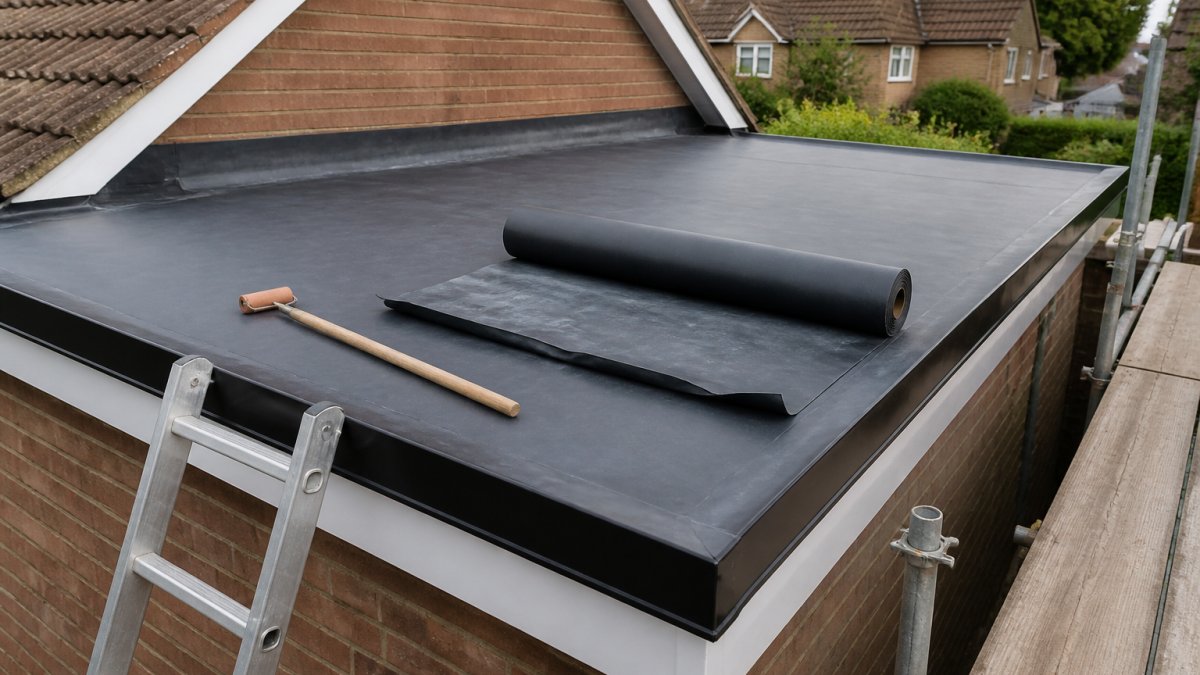
EPDM rubber roofing has become the standard for flat roof replacement in the UK because it outperforms bitumen systems and lasts longer with proper maintenance. When EPDM seams fail, the repair techniques are straightforward if done correctly.
Seam Tape Application and Overlap Methods
Seam tape is a strip of EPDM-compatible adhesive-backed material designed to bond two pieces of EPDM membrane together. The correct application process is:
-
Prepare the overlap. The two pieces of EPDM must overlap by at least 75 millimetres. The overlapping edges must be clean and dry.
-
Apply the seam tape. Peel back the release liner and position it centred over the overlap joint. Press it firmly into place, working from one end to the other to avoid air bubbles.
-
Allow curing time. Seam tape bonds immediately, but the adhesive reaches full strength after 24-48 hours. Do not expose the roof to water or foot traffic during this period.
For existing seams that are failing, you must remove the old tape, clean the substrate thoroughly, and apply new tape.
Sealant Curing and Adhesion Best Practice
Liquid adhesive, polyurethane or polychloroprene sealant, is used on some EPDM installations and always on bitumen seams. The critical factors are:
- Substrate temperature. The substrate must be above 5 degrees Celsius and below 25 degrees Celsius for most adhesives to cure properly.
- Humidity. High humidity slows curing. Many manufacturers recommend applying polyurethane adhesive only when humidity is below 85%.
- Application thickness. The adhesive should be applied in a continuous bead, typically 3-5 millimetres thick.
- Curing time. Check the manufacturer's data sheet. The roof cannot be exposed to water or foot traffic until fully cured.
For repairs to existing seams, the old adhesive or tape must be removed completely.
Flat Roof Repair for Listed Properties
Listed buildings have additional constraints. Any repair to the roof must be approved by the local planning authority, and the repair method must be compatible with the building's historical character.
The repair process for a listed property includes:
-
Obtain planning permission. Contact your local planning authority before any repair work begins. Approval typically takes 4-8 weeks.
-
Use compatible materials. If the original roof was bitumen, repairs should use bitumen products unless the planning authority approves an alternative.
-
Document the repair. Keep records of the repair method, materials used, and the date of completion.
-
Use experienced contractors. ARRC Ltd has experience with various roofing projects and can assist with understanding planning requirements and material compatibility issues.
The cost of repairing a listed building roof is typically higher than repairing a standard property because of the additional planning process and material requirements.
Diagnostic Checklist: Inspecting Your Roof Seams
A systematic inspection of your roof seams can identify failures before they cause water damage.
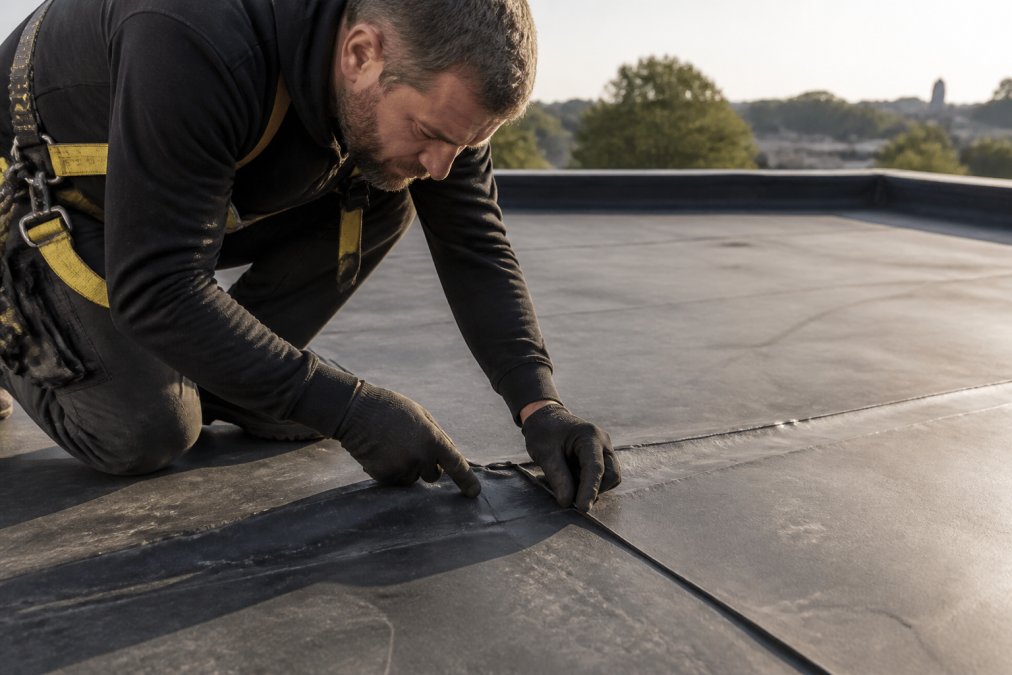
Before you climb onto the roof:
- Check weather conditions. Do not inspect a wet roof. Wait 24 hours after rain.
- Wear appropriate safety equipment. Use a harness if the roof height is more than 2 metres.
- Take photographs of any visible damage from ground level.
On the roof:
- Walk the entire perimeter of the roof. Look for visible cracks, splits, or peeling tape.
- Inspect all seams, paying particular attention to seams perpendicular to the dominant wind direction.
- Check seams around penetrations: pipes, vents, skylights, and flashing.
- Look for blistering on the membrane surface, particularly near seams.
- Press on the membrane near seams. If it feels soft or spongy, water has saturated the substrate.
- Check for ponding water. Note where it pools to identify inadequate slope.
- Inspect the condition of the sealant or tape. Look for discolouration, brittleness, or separation.
- Take close-up photographs of any seams showing signs of failure.
After the inspection:
- Document your findings. Note the location, size, and type of any damage.
- Assess whether the damage is a repair or replacement issue. A small crack in a single seam can be repaired. Multiple failing seams suggest the membrane is near the end of its life.
- Get a professional assessment if uncertain. ARRC Ltd offers free inspections and can advise whether repair or replacement is the right choice.
The inspection takes 30-60 minutes depending on roof size. Doing it once per year, preferably in autumn, can catch failures early.
Preventative Maintenance and Long-Term Protection
Preventing seam failure is far cheaper than repairing water damage. A preventative maintenance programme costs a fraction of what you'll spend if a seam fails and water damages the interior.
For EPDM roofs under 10 years old:
- Inspect seams annually, particularly after heavy storms.
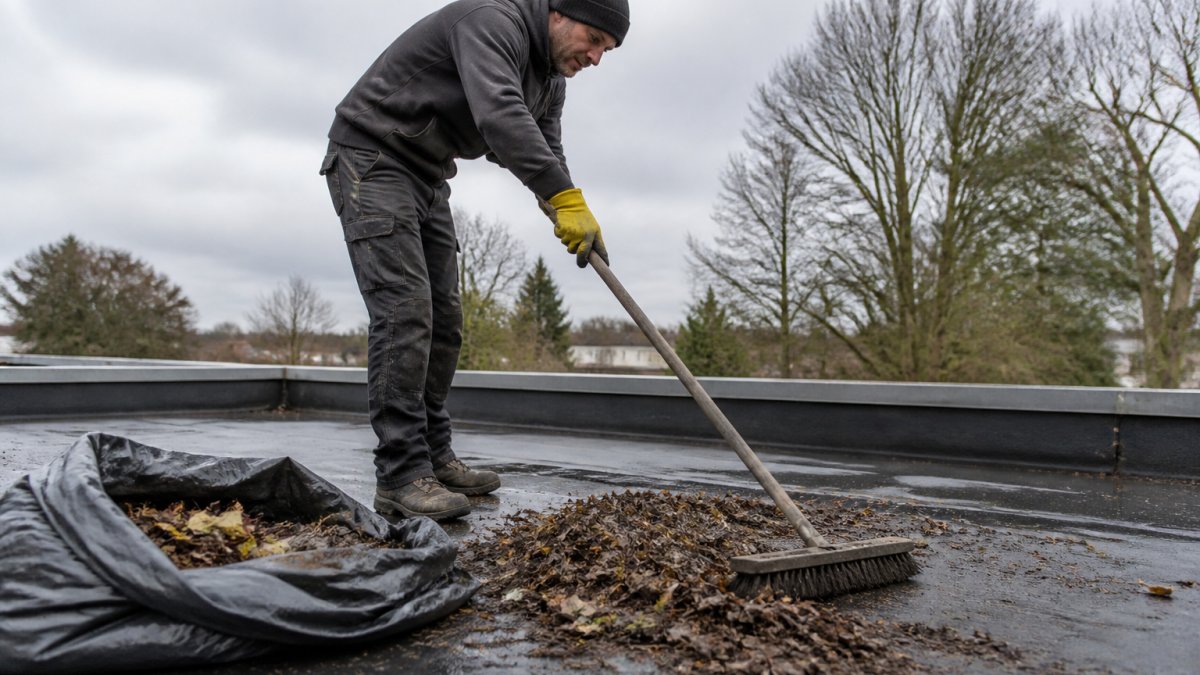
- Clean the roof twice per year to remove debris that can trap moisture.
- Check guttering and drainage to ensure water is flowing off the roof.
- Repair minor issues immediately.
For EPDM roofs 10-15 years old:
- Increase inspection frequency to twice per year.
- Consider applying a protective coating to seams to extend the life of the sealant.
- Plan for replacement within the next 5-10 years. EPDM roofs typically last 20-25 years with good maintenance.
For bitumen roofs of any age:
- Inspect seams quarterly. Bitumen seams fail faster than EPDM.
- Keep the roof clear of debris and ponding water.
- Plan for replacement. Bitumen roofs typically last 12-15 years.
The cost of preventative maintenance is minimal, typically a few hundred pounds per year for professional inspections and minor repairs.
Repair vs. Replacement: Cost-Benefit Analysis
The decision to repair or replace a failing flat roof seam depends on the age of the membrane, the extent of the damage, and the long-term cost of ownership.
Repair is the right choice when:
- The membrane is less than 15 years old.
- The failure is limited to one or two seams.
- The rest of the membrane is in good condition.
- The repair cost is less than 30% of the replacement cost.
A seam repair typically costs between £300-£800 depending on the seam length and accessibility. The repair buys you 5-10 additional years of roof life.
Replacement is the right choice when:
- The membrane is older than 15 years.
- Multiple seams are failing or showing signs of failure.
- The membrane shows widespread blistering or UV degradation.
- The repair cost is more than 30% of the replacement cost.
- You're planning to keep the property for more than 10 years.
A full roof replacement costs more upfront, typically £4,000-£12,000 depending on roof size and membrane type, but provides 20-25 years of protection with minimal maintenance. ARRC Ltd's 20-year guarantee on flat rubber roofs covers seam failure, water ingress, and material defects, which is why replacement often makes financial sense compared to repeated repairs on an ageing membrane.
The reality of flat roof seams is this: they fail because of forces, thermal, chemical, gravitational, that no seam can resist indefinitely. The goal isn't to prevent failure forever. It's to install a seam correctly, maintain it properly, and replace it before it causes damage to your property.
At ARRC Ltd, we've helped many property owners in Staffordshire, Cheshire, and Stockport navigate this decision. Our team can inspect your roof, diagnose the cause of any seam failure, and recommend whether repair or replacement is the right choice for your situation. Get a quote today and protect your property from water damage.
Frequently Asked Questions
What are the signs of a failing flat roof seam?
Look for water staining on ceilings or walls, visible blistering or cracking along the seam line, and pooling water around the perimeter. Seams that have separated from the membrane or show oxidised (darkened) adhesive are failing. After heavy rain, water entering the loft or upper floors is a clear indicator. Early detection prevents costly water ingress damage to your property.
How do EPDM rubber roofing repair techniques differ from patching other roof types?
EPDM rubber requires specialised seam tape and solvent-based adhesives designed for polymer compatibility. Repairs must account for thermal expansion of the rubber membrane, and overlap joints need proper curing time before exposure to weather. Unlike bitumen, EPDM bonds chemically rather than mechanically, so surface preparation and adhesion quality are critical to prevent future joint failure.
Can I repair a flat roof seam myself, or do I need a professional?
Small seam repairs using proprietary roof sealant kits are possible for minor cracks, but permanent solutions require professional application. Improper curing, incorrect overlap, or incompatible materials often lead to recurring leaks. Professional roofers have the tools, materials, and experience to diagnose whether a seam needs patching or full replacement, and they can guarantee workmanship.
How long should a flat roof seam last before it needs repair?
Well-installed EPDM seams typically last 20+ years with proper maintenance. Bitumen seams often fail sooner, especially in freeze-thaw climates where thermal stress accelerates adhesive breakdown. Lifespan depends on installation quality, climate exposure, and maintenance. Regular inspections every 2-3 years help catch early signs of UV degradation or blistering before they become water ingress problems.
This article was written using GrandRanker