 how-to
How to Prepare for a Flat Roof Replacement
Table of Contents
- Conduct a Thorough Roof Inspection and Assessment
- Understand Building Regulations and Planning Requirements
- Choose the Right Roofing Material for Your Property
- How Long Does a Flat Roof Replacement Take
- Flat Roof Replacement Cost and Budgeting
- Prepare Your Property and Interior for the Work
- Manage Waste Disposal and Site Logistics
- Verify Contractor Credentials and Insurance
- Frequently Asked Questions
Last Updated: September 24, 2026
Conduct a Thorough Roof Inspection and Assessment
A flat roof replacement begins with a thorough assessment of your roof's current condition, any failures, and structural issues beneath the surface.
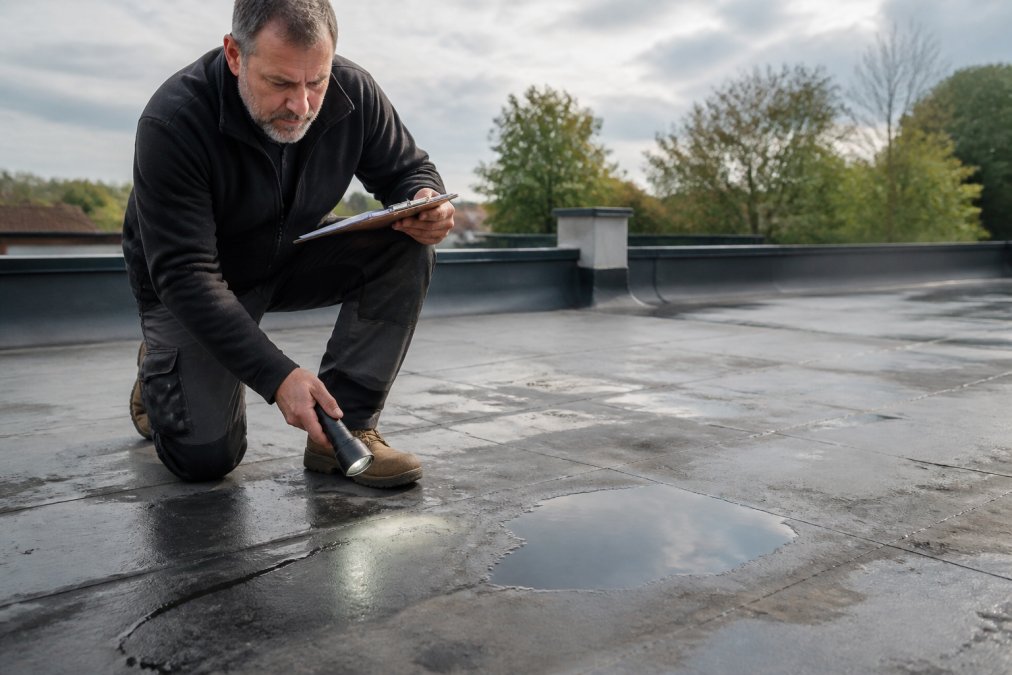
Identifying signs of damage and wear
Look for pooling water (indicating poor drainage or sagging), blistering in the membrane (trapped moisture), and cracks or peeling edges (membrane failure).
Check edge trims and flashings closely, leaks typically start at seams, upstands, or drainage outlets rather than the flat surface.
Interior signs like water stains, damp patches, or soft timber indicate moisture ingress and often appear weeks after the leak develops.
Checking structural integrity and moisture ingress
A professional survey using moisture meters reveals hidden rot in the timber decking or insulation board beneath old membranes.
If the timber decking has rotted, new waterproofing will fail within months. The decking must be sound and level before replacement.
Ask a surveyor to check for asbestos if your roof was installed before the 1990s. Licensed specialists must handle and dispose of asbestos-containing materials, adding cost and time to your project.
Understand Building Regulations and Planning Requirements
A flat roof replacement must meet Building Regulations. Failing to comply affects insurance, resale value, and legal standing.
When you need building control approval
Building control approval is mandatory for flat roof replacement work. The work must meet current Building Regulations covering structural safety, thermal performance, and fire safety, old materials may no longer qualify.
Notify your local building control office before work starts. Inspections at key stages confirm the work meets regulations and provide documentation for insurance and future sales.
Thermal performance and energy efficiency standards
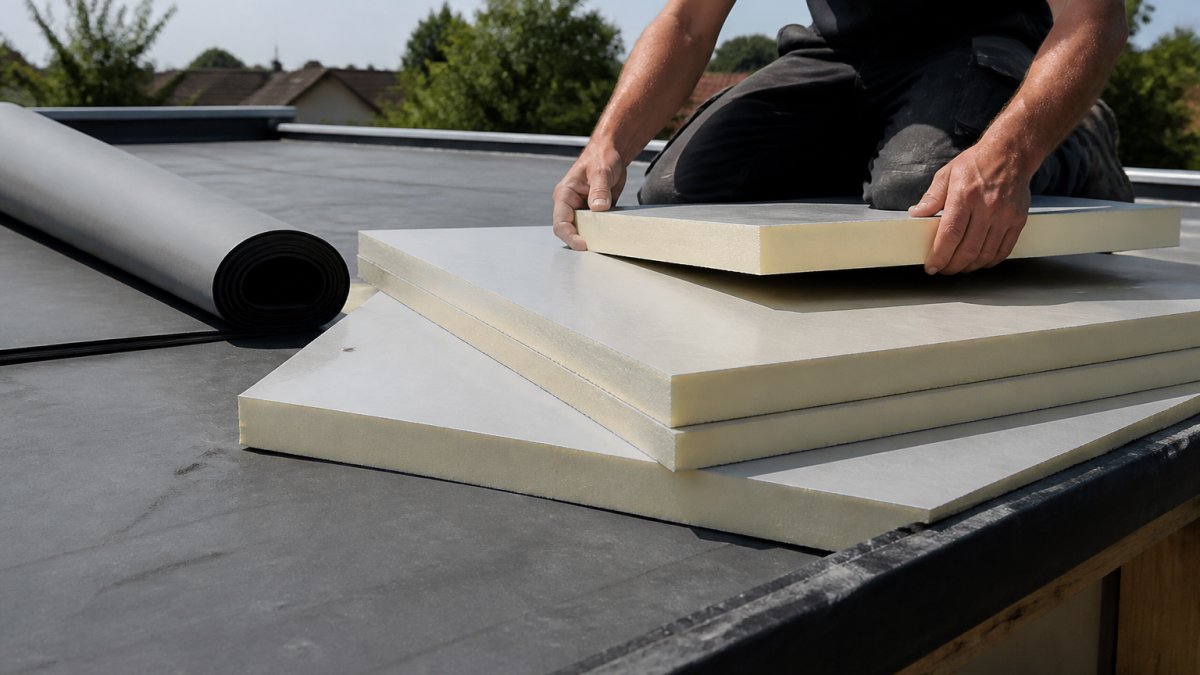
Modern Building Regulations require insulation boards meeting current U-value standards if your existing roof lacks adequate insulation.
Warm roofs (insulation above the deck) perform better than cold roofs (insulation below) but cost more upfront. Warm roofs are now standard.
Confirm which approach suits your property. Listed buildings may have heritage constraints, so check with your local planning authority if applicable.
Choose the Right Roofing Material for Your Property
The material you choose determines durability, maintenance, cost, and long-term performance. Three main systems dominate the market: EPDM rubber roofing, GRP (fibreglass), and felt.
EPDM rubber roofing versus GRP and felt systems
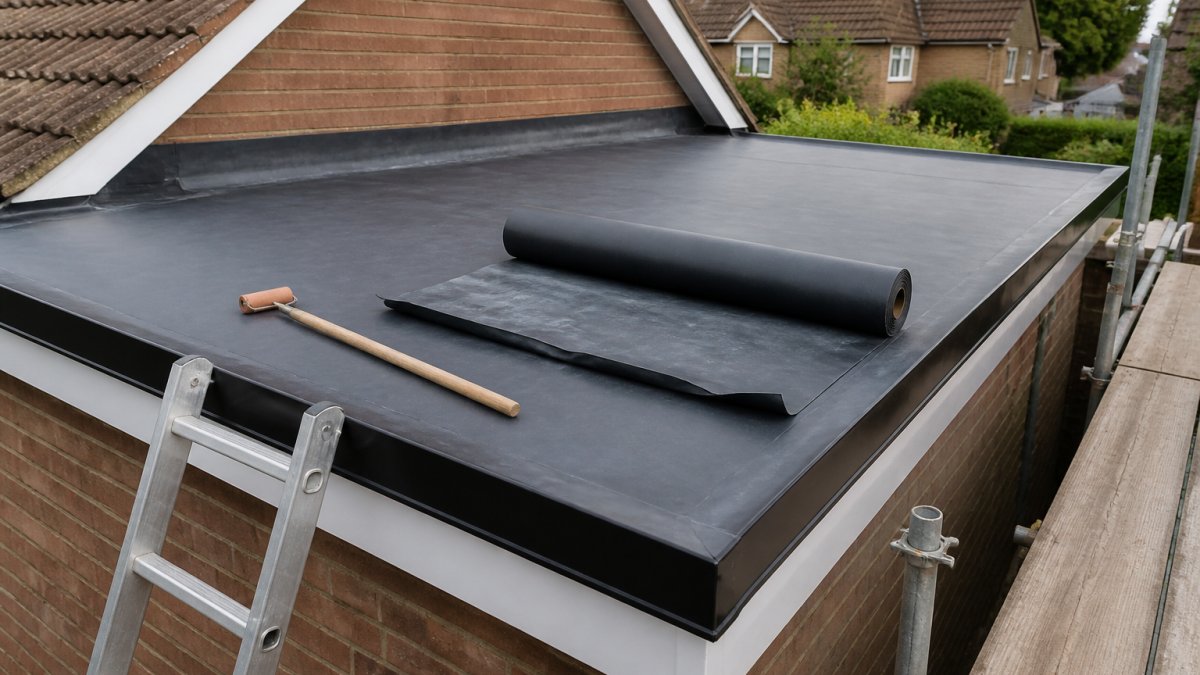
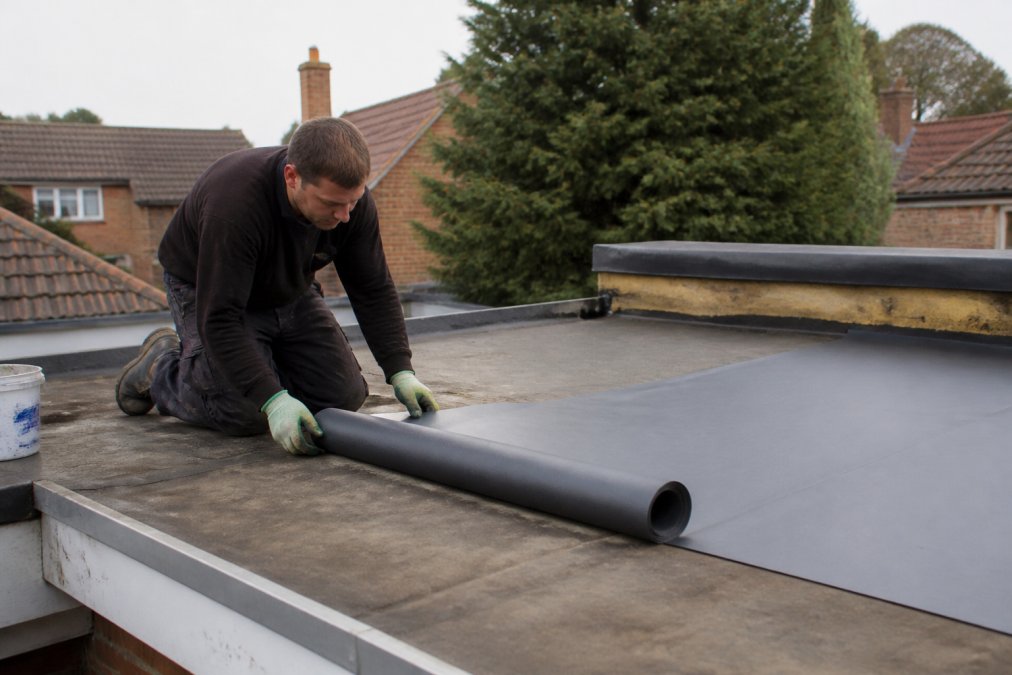
EPDM rubber roofing is a synthetic membrane lasting 40-50 years with minimal maintenance. Seams are joined with adhesive or tape, and the material handles thermal movement well.
GRP (glass-reinforced plastic) lasts 30-40 years and handles foot traffic better than EPDM, but installation is more skilled and repairs are more complex.
Felt roofing is the budget option, lasting 15-20 years with regular maintenance. It is prone to pooling water damage and UV degradation.
At ARRC Ltd, we specialise in EPDM rubber roofing. Our EPDM systems come with a 20-year guarantee.
Durability, warranty, and long-term performance
Warranty terms vary significantly. Budget felt systems may offer only 5-10 years. Mid-range GRP systems typically come with 15-20 year warranties. Premium EPDM systems, like those installed by ARRC Ltd, offer 20-year guarantees.
Warranty covers defects in materials and workmanship only, not storm damage or poor maintenance. Read the small print for inspection or maintenance requirements.
Installation quality matters as much as material choice. Choose a contractor with proven experience, verifiable references, building control registration, and insurance documentation.
How Long Does a Flat Roof Replacement Take
A flat roof replacement is disruptive, your property will be exposed to the elements. Knowing the timeline helps you prepare.
Factors affecting installation timescales
A typical residential flat roof replacement takes 3-7 days; small roofs may finish in 2-3 days, while large projects can take 2-3 weeks.
Weather is the biggest variable. Wet conditions delay removal and installation, and adhesives need dry conditions to cure.
Structural repairs add time. Rot or waterlogged insulation discovered during stripping can shift timescales mid-project.
Planning around weather and seasonal considerations
Autumn and winter are risky due to shorter daylight, slower cure times, and frequent rain. Spring and summer offer better conditions but higher demand.
Plan for late spring or early summer for the best weather and daylight. If winter work is necessary, expect delays and confirm cold-weather experience.
Discuss contingency time upfront. Ask how the roof will be weatherproofed if work is incomplete and how long temporary protection lasts.
Flat Roof Replacement Cost and Budgeting
Understanding what drives cost helps you budget accurately and spot overpriced quotes.
Factors that influence material and labour costs
Material cost depends on roof size, system choice, and insulation quality. Labour cost depends on complexity, site access, and structural repairs needed.
Waste disposal adds cost. Skip hire is significant, and asbestos removal requires specialist handling.
Structural repairs are unpredictable. Rot in the decking, failed insulation, or sagging timber all require fixing before new waterproofing goes down. These costs emerge during the survey or after the old roof is stripped. Budget a contingency of 10-15% for surprises.
Getting accurate quotes from qualified contractors
Obtain quotes from at least three contractors. A detailed quote should itemise materials, labour, waste disposal, and any structural repairs identified in the survey. Vague quotes that lump everything together hide problems.
Compare like with like. A quote for EPDM rubber roofing is not comparable to one for felt. Check what is included: does the price cover fascias, soffits, guttering, or edge trims? Are they separate items?
The cheapest quote is often the riskiest. Contractors who underprice tend to cut corners or discover hidden costs mid-project. A quote that is significantly lower than others should raise questions. Ask why. Is the contractor using cheaper materials? Cutting labour time? Skipping inspections?
At ARRC Ltd, we provide detailed, transparent quotes. We itemise every element of the work, explain what is included, and confirm timescales and warranty terms in writing before we start.
Prepare Your Property and Interior for the Work
A flat roof replacement disrupts your home or business. Preparation minimises that disruption and protects your property from water damage during the transition.
Protecting rooms below and managing access
Clear the loft or attic space completely. Remove stored items, insulation batts, and anything else that could be damaged by dust or debris. Roof work generates significant dust, which settles throughout the property if interior access is not controlled.
Close interior doors to the affected area. Use plastic sheeting and tape to seal doorways.
Clearing lofts and removing stored items
A full loft clear-out takes time. Start weeks before the contractor arrives. Sort items into keep, donate, and discard. Arrange collection or disposal for large items. Do not leave this until the last minute.
Weatherproofing during the transition period
Modern flat roof replacement is fast, but weather can cause delays. Discuss with your contractor how the roof will be protected if work is incomplete at the end of the day or if weather stops progress.
Manage Waste Disposal and Site Logistics
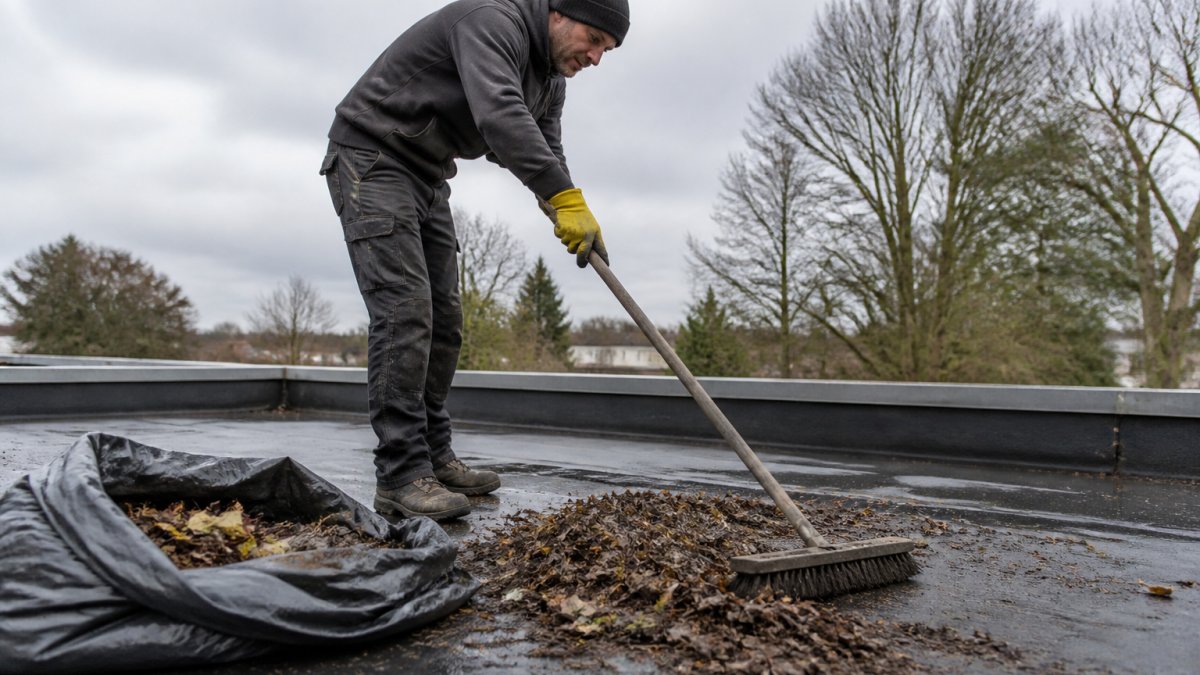
Waste management is often overlooked but critical. Old waterproofing membranes, timber offcuts, insulation boards, and other debris must be removed and disposed of responsibly.
Skip hire and removal of old waterproofing membranes
Skip hire costs depend on skip size and your location. A small skip for a residential project costs less than a large skip for commercial work. Book the skip before work starts so it is available on day one.
Asbestos surveys and hazardous material handling
If your property was built before the 1990s, asbestos may be present in old roofing materials, pipe insulation, or other components. An asbestos survey is essential before any roof work begins.
Verify Contractor Credentials and Insurance
Choosing the right contractor is the single most important decision you will make. A skilled, insured, registered contractor will deliver quality work and protect you legally.
Building control registration and certification
Check that your contractor is registered with building control or a competent person scheme. Registration confirms they understand current Building Regulations and their work will be inspected and certified.
Insurance, guarantees, and warranty documentation
Confirm your contractor has public liability insurance and employers' liability insurance if they employ staff. Ask for proof of cover. Insurance protects you if someone is injured or property is damaged during the work.
Frequently Asked Questions
How long does a flat roof replacement take?
Most flat roof replacements take 3 to 7 working days, depending on roof size, material choice, and weather conditions. A small garage roof may be completed in 2-3 days, whilst a large extension or commercial property could take 1-2 weeks. Poor weather or structural repairs discovered during removal of old membranes can extend the timeline. Your contractor should provide a realistic schedule during the quotation phase.
What is the typical flat roof replacement cost in the UK?
Costs vary based on roof area, material selection, and structural repairs needed. EPDM rubber roofing, GRP, and felt systems each have different price points. Labour costs depend on roof accessibility and complexity. Request detailed quotes from qualified contractors to understand material, labour, and waste disposal charges specific to your property.
Do I need planning permission or building regulations approval for a flat roof replacement?
Replacing an existing flat roof typically does not need planning permission, as it is maintenance rather than alteration. However, you must comply with Building Regulations if the roof is being upgraded to improve thermal performance. If structural work is required or the roof pitch is being changed, building control approval is mandatory. Check with your local authority or ask your contractor to verify requirements for your property.
How do I protect my property during a flat roof replacement?
Clear rooms directly below the roof of valuables and cover furniture with dust sheets. Ensure good ventilation to manage dust and odours. Arrange temporary weatherproofing if work spans multiple days or rain is forecast. Confirm access arrangements with your contractor and discuss how they will manage water ingress during the transition between old and new membranes. Ask about their contingency plan if weather delays the work.