 how-to
How to Repair Flat Roof Drainage Issues
Table of Contents
- Why Flat Roof Drainage Fails: Common Causes
- Diagnosing Drainage Problems: What to Look For
- How to Fix Ponding Water on a Flat Roof
- Blocked Flat Roof Outlet Repair: Step-by-Step
- How to Improve Flat Roof Slope and Water Flow
- Repairing Leaks and Damaged Membranes
- Flat Roof Maintenance Checklist for Ongoing Drainage
- When to Call a Professional vs DIY Limits
- Frequently Asked Questions
Last Updated: October 9, 2026
Why Flat Roof Drainage Fails: Common Causes
Flat roof drainage problems develop when water cannot flow freely from the roof surface to the gutters and downpipes. Understanding why drainage fails is the first step to fixing it.
The most common cause is debris accumulation. Leaves, twigs, moss, and dirt block outlets and clog gutters. When water cannot escape, it pools on the roof surface. Over time, standing water seeps through cracks in the membrane and causes leaks inside.
Poor roof slope is another major issue. A flat roof should have a slight pitch to encourage water flow. If the roof has settled or was installed incorrectly, water pools in certain areas instead of draining naturally. This creates what roofers call "ponding water."
Damaged outlets and downpipes also prevent proper drainage. Cracks, blockages, or separated seams stop water from leaving the roof. The water has nowhere to go, so it backs up and sits on the surface.
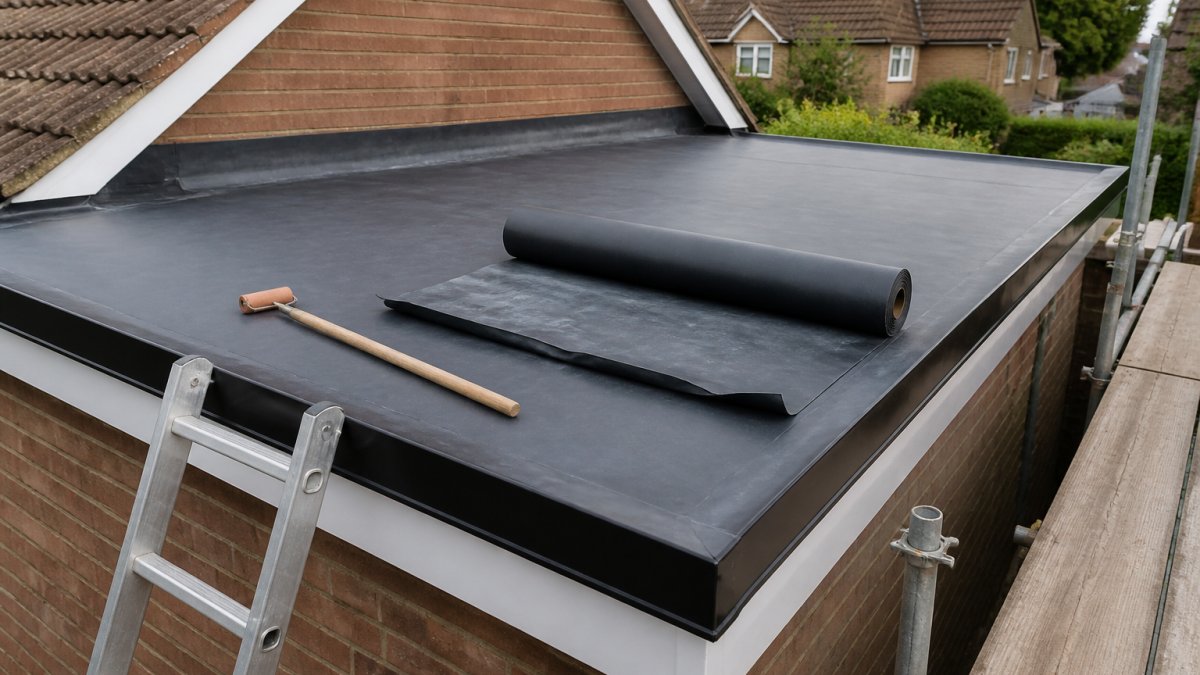
Membrane damage accelerates the problem. Once the roof covering cracks or splits, water seeps through immediately. Even small holes allow water ingress during heavy rain.
Diagnosing Drainage Problems: What to Look For
Identifying the exact cause of poor drainage requires a systematic inspection. Start by observing the roof after rain or using a hose to simulate rainfall.
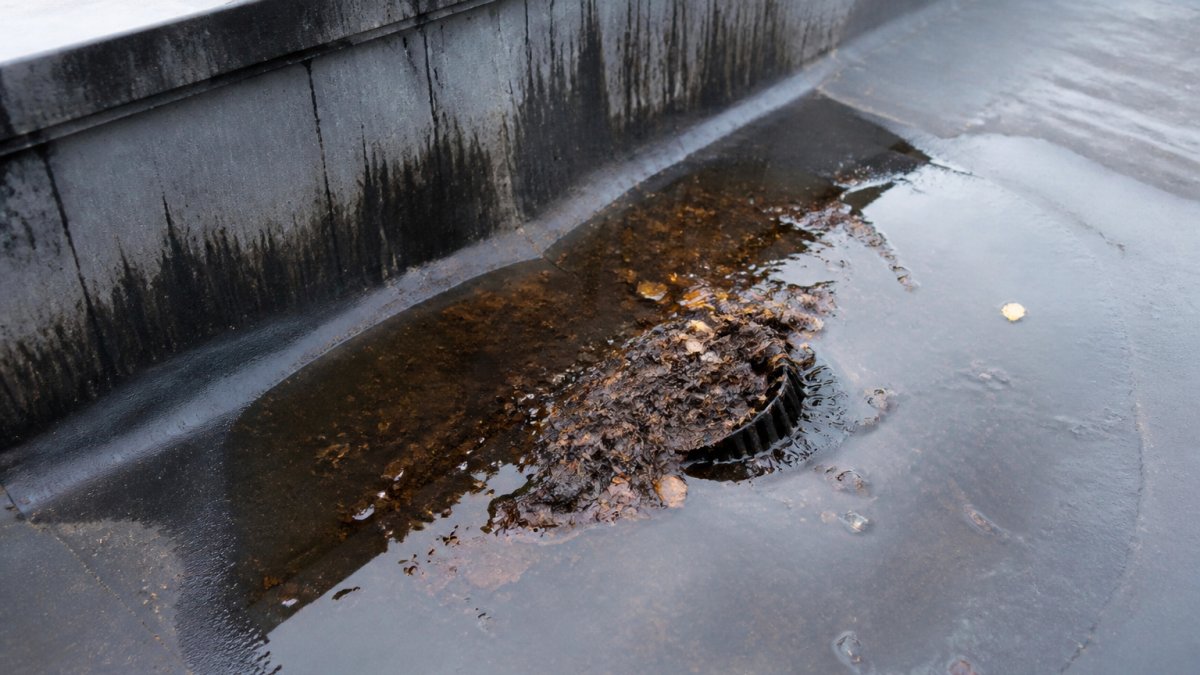
Check the outlets and downpipes first. Walk around the roof perimeter and look inside each outlet. You'll often find leaves, moss, or sediment blocking the opening. Trace the downpipe from the roof to ground level.
Inspect the roof membrane closely. Scan the entire surface for cracks, splits, or holes. Pay special attention to seams where two sheets meet. Separated seams are a common failure point.
Check the roof slope using a simple water test. Pour water onto different areas of the roof. Watch where it flows. If water moves quickly to an outlet, drainage is working.
Look for signs of previous water damage. Staining on the membrane indicates where water has been sitting. Dark patches or discoloration show past leaks. These areas are at highest risk for future problems.
How to Fix Ponding Water on a Flat Roof
Ponding water is the most visible sign of drainage failure. Fixing it requires addressing the underlying cause, whether that's debris, poor slope, or damaged outlets.
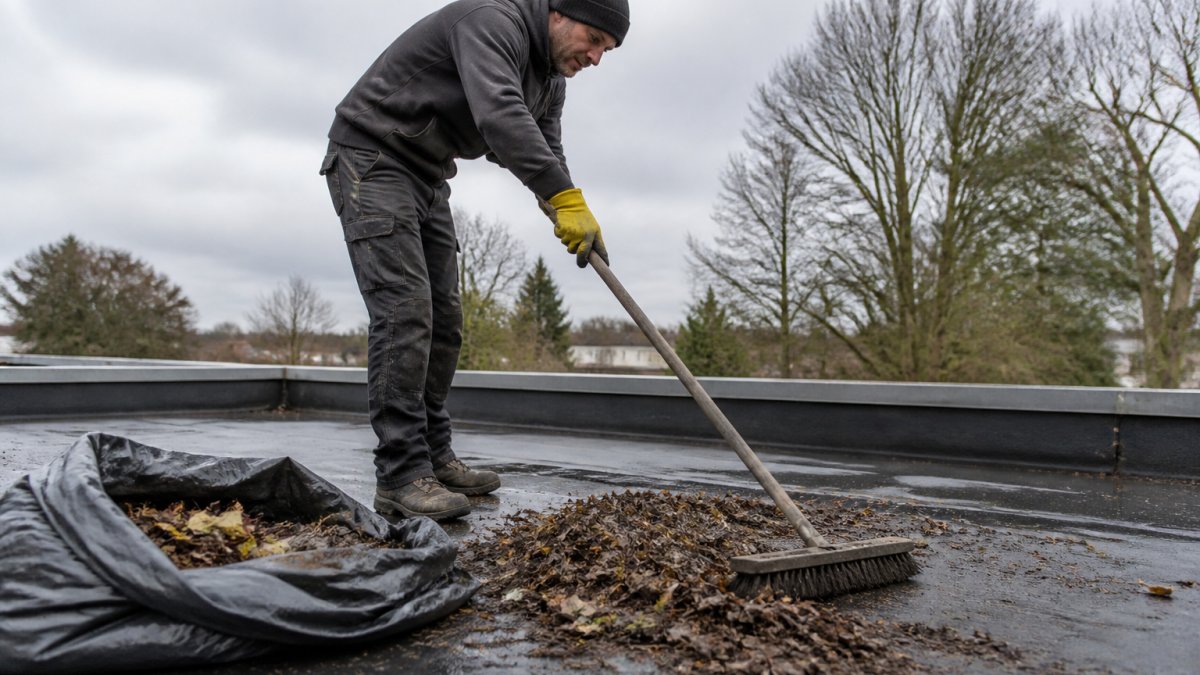
Start by removing all debris from the roof surface and gutters. Use a soft brush or broom to sweep leaves, dirt, and moss toward the outlets. For stubborn debris, use a plastic scraper, never metal tools that might damage the membrane.
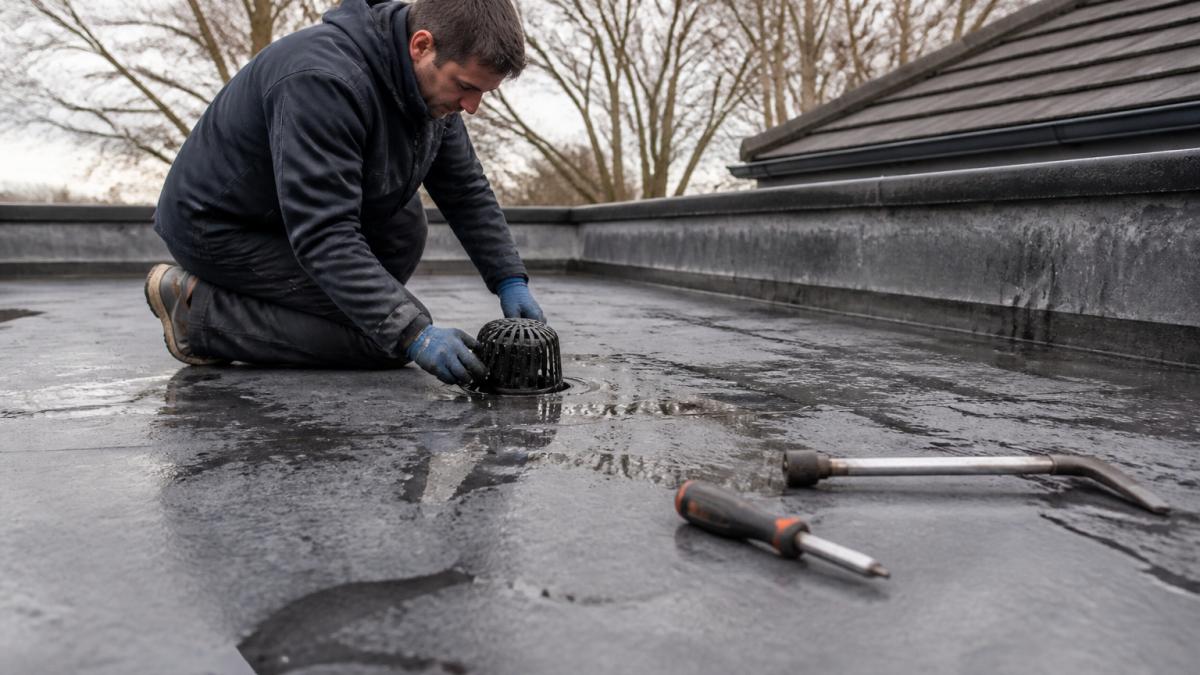
Next, clear the outlets themselves. Most outlets have a strainer basket or grate. Lift it out and remove any blockage. Flush the outlet opening with water to ensure it drains freely.
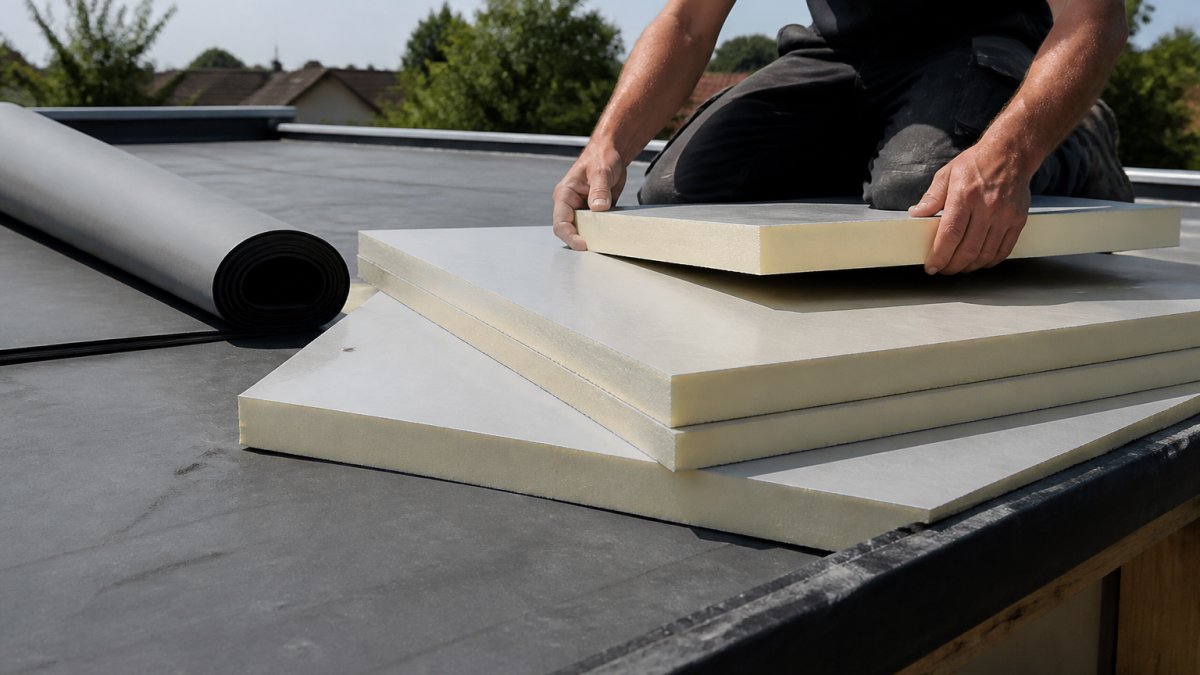
For minor pooling caused by settled areas, consider installing tapered insulation. This creates a gentle slope that encourages water flow. Tapered insulation is self-adhesive and fits between the existing roof layers. However, this is a job best left to professionals, as it requires partial roof removal.
If the roof slope is severely compromised, a professional roofer may recommend roof resurfacing. This involves applying a new membrane over the existing one, with proper slope built in during installation.
Blocked Flat Roof Outlet Repair: Step-by-Step
A blocked outlet is the quickest problem to fix and often solves drainage issues entirely. Here's how to clear one safely.
Step 1: Assess the blockage from above. Climb onto the roof and locate the outlet. Look down into it to see what's blocking water flow.
Step 2: Remove the strainer basket. Most outlets have a removable strainer or grate on top. Lift it out carefully. This exposes the main opening below.
Step 3: Clear debris by hand. Wear gloves and remove any visible blockage. Pull out leaves, twigs, and sediment.
Step 4: Flush with water. Use a hose to flush water through the outlet. Start gently, then increase pressure. Watch water flow down the downpipe.
Step 5: Check the downpipe. If water still doesn't flow freely, the blockage may be inside the downpipe.
Step 6: Reassemble and test. Reconnect the downpipe and secure it. Pour water into the outlet again. Confirm water flows all the way to ground level.
Most blocked outlets clear in 30 minutes. The key is removing all debris, not just the obvious blockage near the top.
How to Improve Flat Roof Slope and Water Flow
A roof with poor slope creates low spots where water pools. Improving slope requires either adding material to raise certain areas or resurfacing the entire roof with proper falls built in.
For minor slope issues, tapered insulation is the quickest fix. This material is wedge-shaped, thicker on one end than the other. When installed correctly, it creates a gentle slope that directs water toward outlets.
Tapered insulation is typically 25mm to 50mm thick depending on the roof size and desired slope. It's self-adhesive and sits on top of the existing insulation layer. A new membrane is then applied over it.
For roofs with severe slope problems, full resurfacing is necessary. This involves removing the existing membrane and installing a new one with proper falls built in during installation.
The ideal slope for a flat roof is 1:40, meaning 1 unit of rise for every 40 units of horizontal distance.
If you're unsure whether your roof needs slope correction, pour water onto the surface. If it flows toward outlets within seconds, slope is adequate. If it pools and sits, slope correction is needed.
Repairing Leaks and Damaged Membranes
Once water penetrates the roof membrane, leaks develop inside. Stopping the leak means finding the damage and sealing it properly.
Locate the leak source by inspecting the roof from above. Look for cracks, splits, holes, or separated seams.
For small holes or cracks under 10mm, self-adhesive flashing patches work well. Clean the area thoroughly with a dry cloth. Remove any moss or dirt. Cut a patch at least 150mm larger than the damage on all sides.
For larger cracks or splits, roof sealant provides a more durable repair. Apply a flexible waterproofing sealant into the crack using a caulk gun. Smooth it with a wet finger or tool.
For separated seams, the seam must be re-sealed. This involves lifting the overlapping membrane edges and applying new sealant or adhesive underneath. Press the edges back down firmly. This repair requires care to avoid creating new leaks.
Liquid-applied waterproofing is another option for membrane damage. This coating is brushed or sprayed onto the damaged area and surrounding membrane. It cures to form a continuous waterproof layer.
Flat Roof Maintenance Checklist for Ongoing Drainage
Preventing drainage problems is far easier than fixing them. A simple maintenance routine keeps your roof functioning properly for years.
Twice yearly (spring and autumn):
- Clear all leaves and debris from the roof surface
- Clean gutters and downpipes thoroughly
- Check outlets for blockages and flush with water
- Inspect the membrane for new cracks or damage
- Look for signs of pooling water after rain
Annually:
- Inspect all seams and flashing for separation or damage
- Check downpipes for cracks or leaks
- Trim branches hanging over the roof
- Document any damage with photos for insurance
Every 3-5 years:
- Have a professional inspect the entire roof
- Check membrane condition and lifespan remaining
- Assess whether repairs or resurfacing is needed
- Verify roof slope is adequate
After heavy rain or storms:
- Walk the roof to check for new damage
- Ensure water drains completely within 48 hours
- Look for leaks inside the building
A maintenance log helps track what's been done and when. Note the date, what was checked, any issues found, and repairs made. This record is valuable for insurance claims and helps identify recurring problems.
Most maintenance tasks take just an hour or two. The cost of regular maintenance is tiny compared to repairing water damage inside your building.
When to Call a Professional vs DIY Limits
Some roof repairs are safe and simple enough for a homeowner. Others require professional expertise, equipment, and insurance.
Safe for DIY:
- Clearing debris from roof surface and gutters
- Flushing outlets and downpipes with water
- Removing blockages from outlets
- Applying self-adhesive flashing patches to small holes
- Inspecting the roof and documenting damage
Requires a professional:
- Working at height on sloped or high roofs
- Repairing large cracks or splits in the membrane
- Resealing separated seams
- Installing tapered insulation
- Resurfacing the entire roof
- Diagnosing complex drainage failures
- Working on commercial roofs or buildings over two storeys
Height is the biggest safety concern. Falls are a serious risk.
Membrane repairs also require skill. A poorly applied patch or sealant can create new leaks.
ARRC Ltd has 30 years of experience repairing flat roofs across residential and commercial properties. Our team carries full insurance and guarantees all work for 20 years.
For difficult diagnoses or major repairs, getting a professional assessment costs far less than fixing water damage inside your building.
Flat roof drainage problems develop quietly but cause expensive damage quickly. Standing water, debris buildup, and membrane cracks all prevent water from flowing properly.
The good news is that many drainage problems are preventable with regular maintenance. Clearing debris, flushing outlets, and inspecting the membrane takes just a few hours each year.
For complex issues or large-scale repairs, professional help is worth the investment. ARRC Ltd specialises in diagnosing and fixing flat roof drainage failures.
Get a quote today and let us assess your roof's drainage system.
Frequently Asked Questions
How can I tell if my flat roof drainage system is actually blocked?
Standing water that remains after rain, slow drainage from gutters, or water backing up near outlets are clear signs. Inspect the outlet itself: debris, leaves, or silt blocking the opening will prevent water flow. If the roof drains within 48 hours of heavy rain, drainage is working. If water sits longer, the outlet or downpipe needs clearing or repair. Check for cracks in the downpipe as well, which can cause water to escape mid-flow.
Can I fix a leaking flat roof myself, or do I need a professional?
Small cracks or seam splits can be sealed with roof sealant or self-adhesive flashing tape if the membrane is sound. However, if the leak persists after heavy rain, if the membrane is cracked over a large area, or if water is entering from seams or flashing joints, professional repair is necessary. Working at height on a flat roof carries fall risk; if you cannot safely access the repair area from a ladder or low platform, hire a professional roofer.
What does a 20-year guarantee on flat rubber roofing actually cover?
A quality guarantee typically covers manufacturing defects, seam separation, and membrane failure under normal use and maintenance. It does not cover damage from improper maintenance, standing water that causes premature wear, or damage from external impact or severe weather events. Drainage failure caused by blocked outlets or missing slope correction is usually excluded unless the slope was incorrectly installed. Always clarify what maintenance is required to keep the guarantee valid, such as annual debris clearance.
How often should I inspect and maintain my flat roof drainage system?
Inspect your flat roof at least twice yearly: spring and autumn. After heavy rain or storms, check for standing water, debris accumulation, and outlet blockages. Clear leaves, moss, and silt from gutters and outlets every season, especially in autumn. If your roof has a history of ponding, inspect monthly during wet months. Regular maintenance prevents costly repairs and extends roof life significantly. A simple checklist includes checking outlets are clear, gutters are debris-free, and no water pools on the surface after rain.