 how-to
Flat Roof Leak Detection: Cost & Service Guide
Table of Contents
- What Flat Roof Leak Detection Costs
- Flat Roof Survey Cost and What's Included
- Electronic Leak Detection for Flat Roofs
- Flat Roof Repair Costs After Detection
- Flat Roof Replacement Cost: When Repair Isn't Enough
- Factors That Affect Detection and Repair Pricing
- How to Compare Detection Service Quotes
- What Happens When a Leak Cannot Be Found
- Frequently Asked Questions
Last Updated: October 6, 2026
What Flat Roof Leak Detection Costs
Most guides jump straight to repair prices, so property owners are surprised by the flat roof leak detection cost when a surveyor quotes a separate fee just to find the leak. Detection is a distinct service: you pay for diagnosis, not the fix. Knowing what that fee covers separates a fair quote from an inflated one.
Typical detection-only fee ranges
Most providers structure detection pricing in three bands. These are indicative ranges for a domestic flat roof; commercial and listed buildings sit higher.
| Service level | Typical fee (ex VAT) | Typical fee (inc. 20% VAT) | What it usually covers |
|---|---|---|---|
| Visual inspection only | £120-£200 | £144-£240 | Walkover, photographs, verbal findings |
| Visual + moisture meter survey | £200-£350 | £240-£420 | Above plus probe readings and a short written report |
| Full electronic detection (thermal imaging and/or moisture mapping) | £350-£650 | £420-£780 | Systematic scan, annotated report, repair recommendation |
Emergency, evening, and weekend attendance typically adds 25-50% to the standard fee, and many providers apply a minimum call-out charge of £90-£150 even for a short visit.
What the fee actually includes
A properly itemised detection quote breaks down into four elements:
- Attendance and travel, the call-out component, often fixed regardless of survey length.
- Survey time, charged hourly or as a fixed price for a defined roof area.
- Equipment use, thermal cameras, moisture meters, and electronic leak-detection systems carry a cost reflected in the fee.
- Written report, photographs, leak location, probable cause, and recommended repair. Some providers charge separately; ask before booking.
VAT and how it is applied
Most flat roof leak detection is standard-rated for VAT at 20% because it is a diagnostic service, not a qualifying repair or installation. Reduced-rate VAT (5%) can apply to certain energy-saving material installations, but not to leak detection itself. Always confirm whether a quoted figure includes VAT: a £400 quote ex VAT becomes £480.
Detection fee versus repair cost
The detection fee does not include the repair. A survey that identifies a failed seam and recommends a patch repair is still followed by a separate repair invoice. Some contractors credit the detection fee against the repair if you proceed with them, a commercial decision, not a legal entitlement, so treat it as a negotiating point.
Flat Roof Survey Cost and What's Included
A flat roof survey assesses your roofing system's condition and identifies the source of water ingress, typically covering visual inspection, written findings, and repair recommendations.
A standard survey visit usually includes:
- Visual examination of the entire roof surface
- Inspection of flashings, seams, and penetrations
- Check of guttering and drainage systems
- Written report documenting findings
- Recommendations for remedial action
The surveyor photographs problem areas and explains what they've found.
Some surveys are free when you book repair work with the same contractor; others charge a dedicated fee if you're gathering quotes from multiple providers, useful for independent assessments before committing.
Electronic Leak Detection for Flat Roofs
How Electronic Detection Works
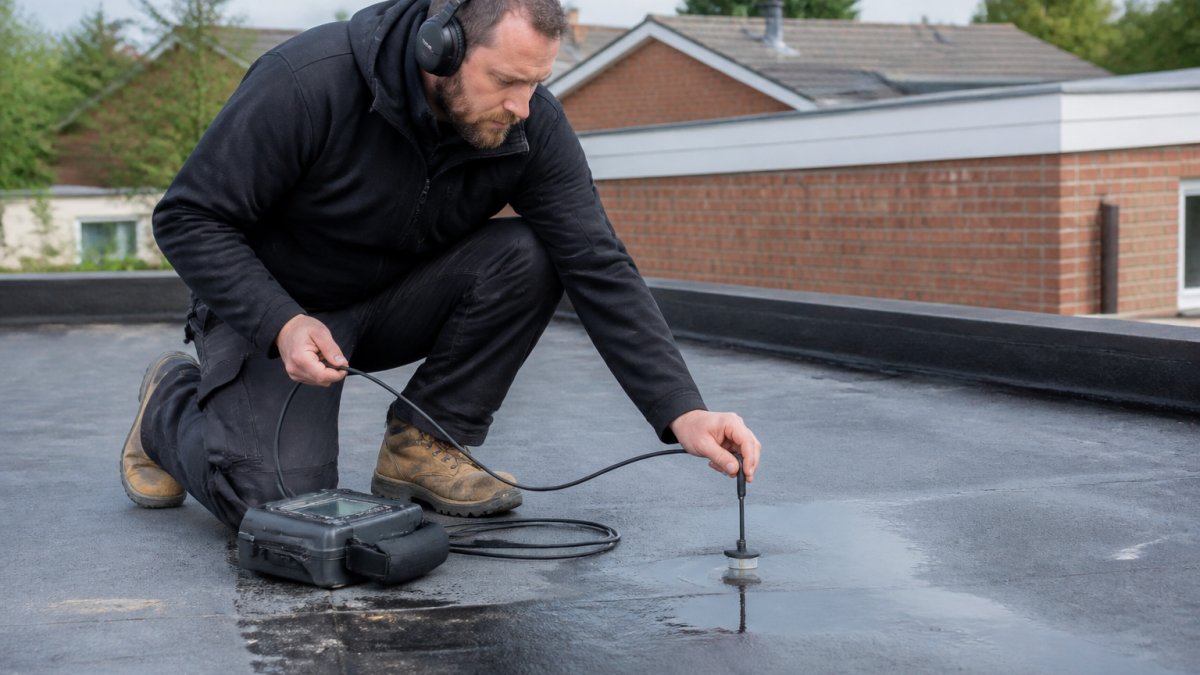
Electronic leak detection uses specialist equipment to locate water ingress without relying on visual signs alone.
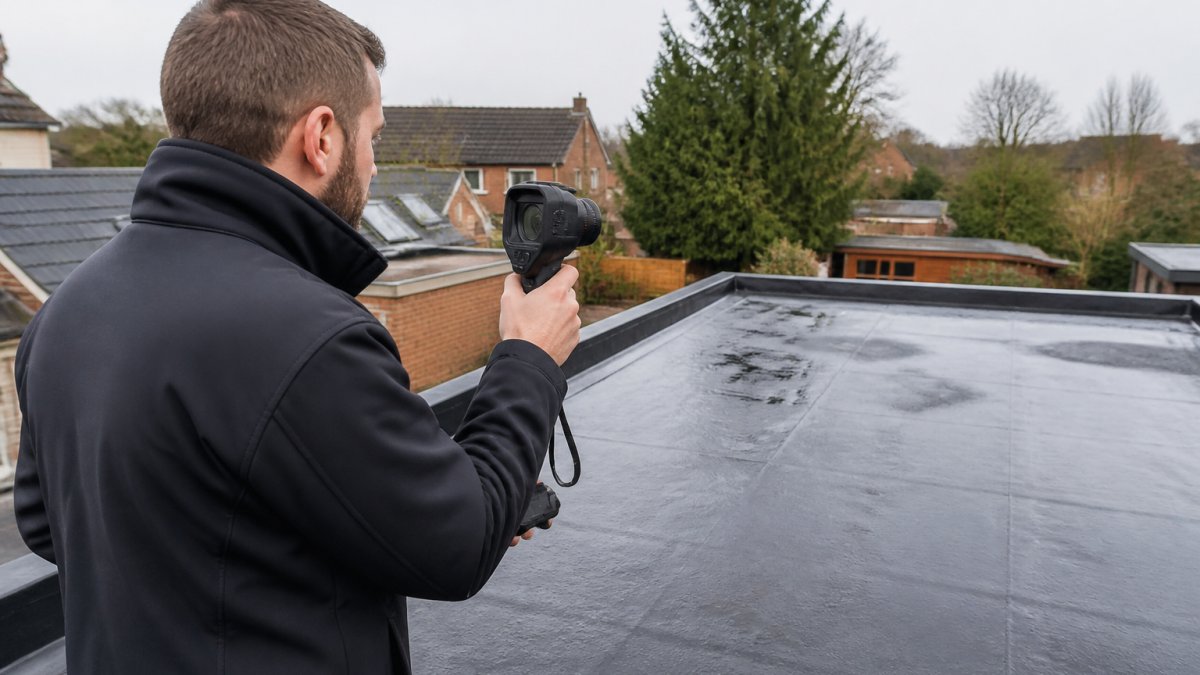
Thermal imaging cameras detect temperature variations across the roof surface: water-damaged areas retain moisture and register differently than dry sections.
Moisture meters measure water content in roofing materials.
These methods work together: thermal imaging gives a broad picture, moisture testing confirms specific problem zones.
When Electronic Detection Is Necessary
Electronic detection becomes essential when water is entering but the source isn't visible, leaks appearing in one room but originating elsewhere, or widespread damage with no clear entry point.
If a previous roofer missed the problem, electronic methods often succeed where visual inspection failed.
Electronic detection also helps when deciding between patch repair and full replacement: if moisture has spread across a large area, replacement may be more cost-effective than chasing multiple small leaks.
Flat Roof Repair Costs After Detection
Small Patch Repairs vs Larger Work
Once the leak is located, repair costs depend on the damage extent and roofing material type.
A patch repair addresses a specific problem area. The surveyor's report gives the exact location and size, so the roofer knows what materials and time are needed, ideal for isolated damage.
Larger damage, widespread deterioration, multiple failing seams, or extensive water saturation, often requires more comprehensive work.
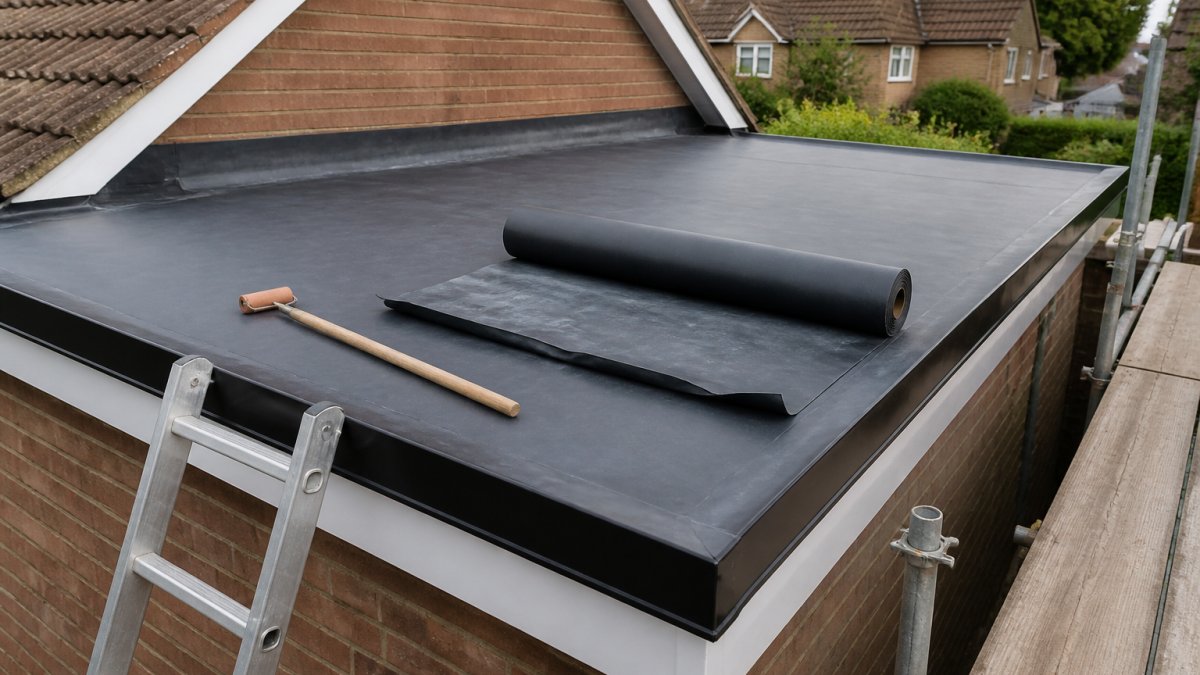
The roofing material affects repair strategy. EPDM rubber roofing is straightforward to patch but can require professional sealing if multiple seams are compromised; bitumen roofs may need regrading if pooling water has created dips.
Flat Roof Replacement Cost: When Repair Isn't Enough
Full replacement becomes necessary when the roof has reached the end of its serviceable life or damage is too extensive for economical repair.
Replacement cost depends on roof size, material choice, and access difficulty.
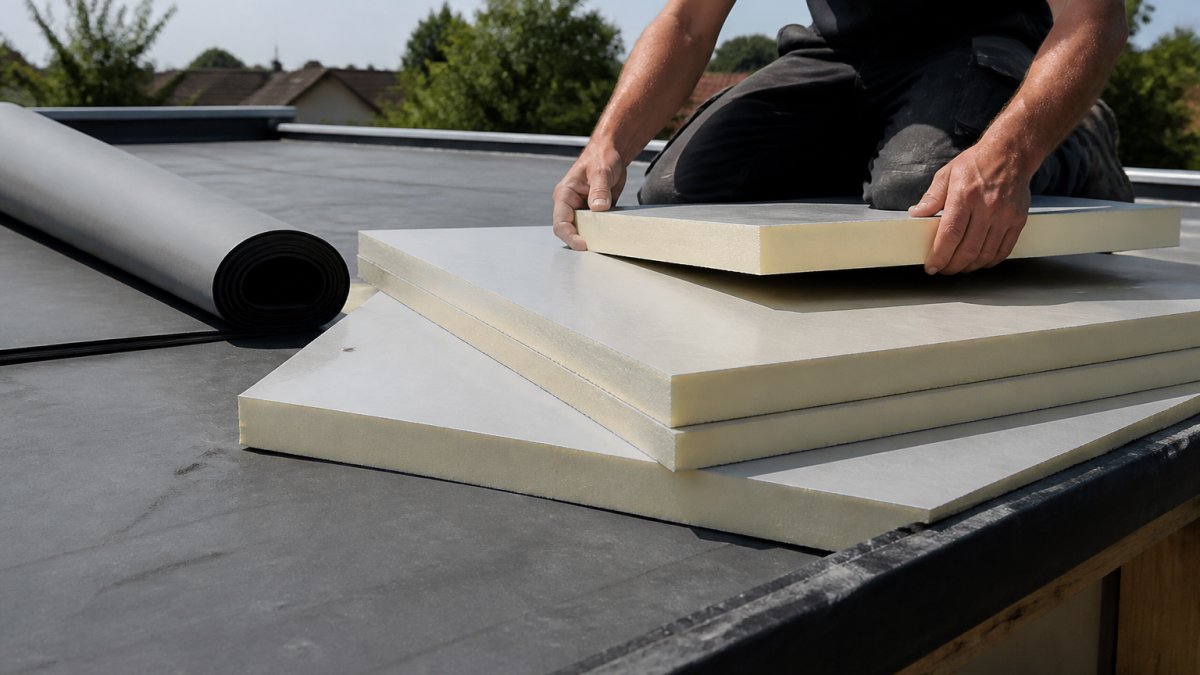
A replacement includes removal of the old roof, substrate preparation, new membrane installation, and completion of flashings and drainage.
A new roof eliminates the recurring expense and stress of managing an aging system prone to failure.
Factors That Affect Detection and Repair Pricing
Roof Size and Complexity
Larger roofs cost more to survey and repair because there's more area to cover: a small garage roof survey takes an hour, a commercial warehouse half a day or more.
Roof complexity matters equally. A simple, unobstructed flat roof is quicker to assess.
Access difficulty also influences cost: a roof reached from a ladder is cheaper to survey than one needing scaffolding or specialist access equipment.
Call-Out Timing and Emergency Rates
Standard weekday surveys typically cost less than evening, weekend, or emergency call-outs. If your leak can wait until business hours, you'll pay standard rates.
Many providers charge a fixed call-out fee for standard visits, then higher rates for out-of-hours work.
Emergency repairs, where the roof is actively leaking and needs temporary stabilisation before a full fix, incur additional costs for rapid response and potentially temporary solutions.
Roofing Material Type
Different roofing materials require different detection and repair approaches. EPDM rubber roofing is relatively straightforward to patch and reseal. Bitumen roofs may need regrading or full section replacement if the surface has deteriorated.
The material's age and condition affect repair strategy. An older bitumen roof with multiple failing seams might be uneconomical to repair, whereas a newer EPDM roof with one failed seam is easily patched.
Material choice also influences longevity and future costs.
How to Compare Detection Service Quotes
Two quotes for the same flat roof can differ by hundreds of pounds, and the cheaper one is not always the better value. The variables that matter are the diagnostic method, the scope of the survey, what the report contains, and what happens if the leak is not found. Work through the checklist below before you commit.
A seven-point quote comparison checklist
- Diagnostic method, Is the quote for a visual inspection only, or does it include moisture metering and/or thermal imaging? A visual-only survey is cheaper but will miss concealed leaks.
- Survey scope, Does the price cover the whole roof, or only the area above the visible damp patch? Water travels laterally, so a partial survey can miss the true entry point.
- Written report, Is a documented report with photographs included, or is it a verbal summary? A written report is essential if you plan to claim on insurance or hand the job to a different repairer.
- VAT treatment, Is the quoted figure inclusive or exclusive of 20% VAT? Compare like with like.
- Call-out and out-of-hours fees, What is the standard call-out charge, and what premium applies for evening, weekend, or emergency attendance?
- Repeat-visit policy, If the leak is not found on the first visit, is a return visit free, discounted, or charged at full rate?
- Fee credit against repairs, If you proceed with the same contractor for the repair, is the detection fee credited or refunded?
Worked example: two quotes for the same roof
Consider a 60 m² domestic flat roof with a leak appearing in a rear bedroom ceiling. Two providers quote:
| Item | Provider A | Provider B |
|---|---|---|
| Detection method | Visual + moisture meter | Visual + thermal imaging + moisture meter |
| Survey scope | Full roof | Full roof |
| Written report | Yes, with photos | Yes, with photos and annotated thermal images |
| Fee (ex VAT) | £220 | £480 |
| VAT at 20% | £44 | £96 |
| Total inc. VAT | £264 | £576 |
| Repeat visit if not found | Charged at £120 | Included once |
| Fee credited against repair | Yes | No |
Provider A looks cheaper on the headline figure, but if the leak is concealed and the first visit fails, the repeat visit pushes the total to £384, and if you then use a different repairer, the credit is worthless. Provider B costs more upfront but includes a second visit and a more detailed report. The right choice depends on how confident you are that the leak is straightforward.
Red flags in a detection quote
- A price that is dramatically lower than every other quote, with no explanation of method or scope.
- No written report offered, or a report described only as 'verbal findings'.
- A quote that bundles detection and repair into a single figure without separating them, you cannot tell what you are paying for the diagnosis.
- No stated policy on repeat visits if the leak is not located.
- Pressure to proceed with repair work on the same visit, before you have had time to review the report.
Questions to ask before booking
- Which detection methods will you use, and why those for my roof?
- Will I receive a written report, and does it include photographs and a repair recommendation?
- What is your policy if the leak is not found on the first visit?
- Is the detection fee credited if I use you for the repair?
- Is the quoted price inclusive of VAT?
What Happens When a Leak Cannot Be Found
Occasionally, water is clearly entering your property but the surveyor cannot locate the exact source.
If the leak cannot be found on the first visit, ask the provider what happens next.
Some providers charge for return visits; others include one follow-up at no extra cost.
If the leak still cannot be found after thorough investigation, your options narrow.
Finding a leak in your flat roof is the essential first step toward a lasting fix.
Frequently Asked Questions
How much does flat roof leak detection cost?
Detection costs depend on roof size, complexity, and the method used. A basic visual inspection may cost less than electronic leak detection, which uses thermal imaging or moisture meters to find hidden leaks. Call-out charges, survey fees, and timing (weekday versus emergency) all affect the final price. Contact a surveyor for a quote tailored to your property.
What is included in a flat roof survey?
A flat roof survey typically includes a visual inspection of the roof surface, identification of visible damage, assessment of pooling water or drainage issues, and written findings with photographs. Electronic surveys add thermal imaging or moisture detection to locate hidden leaks. The surveyor will document the roof condition and recommend repair or replacement options.
Can a flat roof leak be repaired without replacing the whole roof?
Yes, small leaks can often be repaired with targeted fixes such as patching the damaged area, resealing flashing, or repairing seams. The repair cost depends on the leak location and roof material. However, if the roof is old, has multiple leaks, or shows widespread damage, partial repair may only delay the need for full replacement. A professional survey will determine whether repair or replacement is the better choice.
Are leak detection companies worth the cost?
Yes, professional leak detection is worth the investment when you cannot locate a leak yourself or when water damage is ongoing. Identifying the exact source prevents further damage to your property, saves money on unnecessary repairs, and provides documentation for insurance claims. Without professional detection, you risk incorrect repairs and continued water ingress.