 blog
blog
Best Roofing Materials for Detached Garage Extensions
Table of Contents
- Choosing the Right Roofing Material for Your Detached Garage
- EPDM Rubber Roofing for Garages: Durability and Performance
- Felt vs EPDM Roofing: Which Suits Your Garage
- Other Proven Roofing Options for Garage Extensions
- Flat Roof Lifespan: What to Expect from Each Material
- Garage Roof Replacement Cost: Budget and Value
- Building Regulations and Planning Permission for Garage Extensions
- Matching Your Extension Roof to the Existing House
- Frequently Asked Questions
Last Updated: October 13, 2026
Choosing the Right Roofing Material for Your Detached Garage
Selecting the best roofing materials for detached garage extensions is one of the most important decisions you'll make during a renovation. The wrong choice leads to leaks, costly repairs, and premature replacement. The right one protects your investment for decades with minimal maintenance.
Your garage roof bears constant exposure to weather, temperature swings, and moisture. Unlike pitched roofs on houses, flat or low-slope garage roofs are more vulnerable to pooling water and seepage. This is why material selection matters far more than most homeowners realise.
At ARRC Ltd, we've installed hundreds of garage roofs across Staffordshire, Cheshire, and Stockport. The best roofing materials for detached garage extensions depend on three factors: your budget, the roof pitch, and how long you want the roof to last.
This guide covers the most practical roofing options available, from traditional felt to modern EPDM rubber, metal sheets, fibreglass, and corrugated panels.
EPDM Rubber Roofing for Garages: Durability and Performance
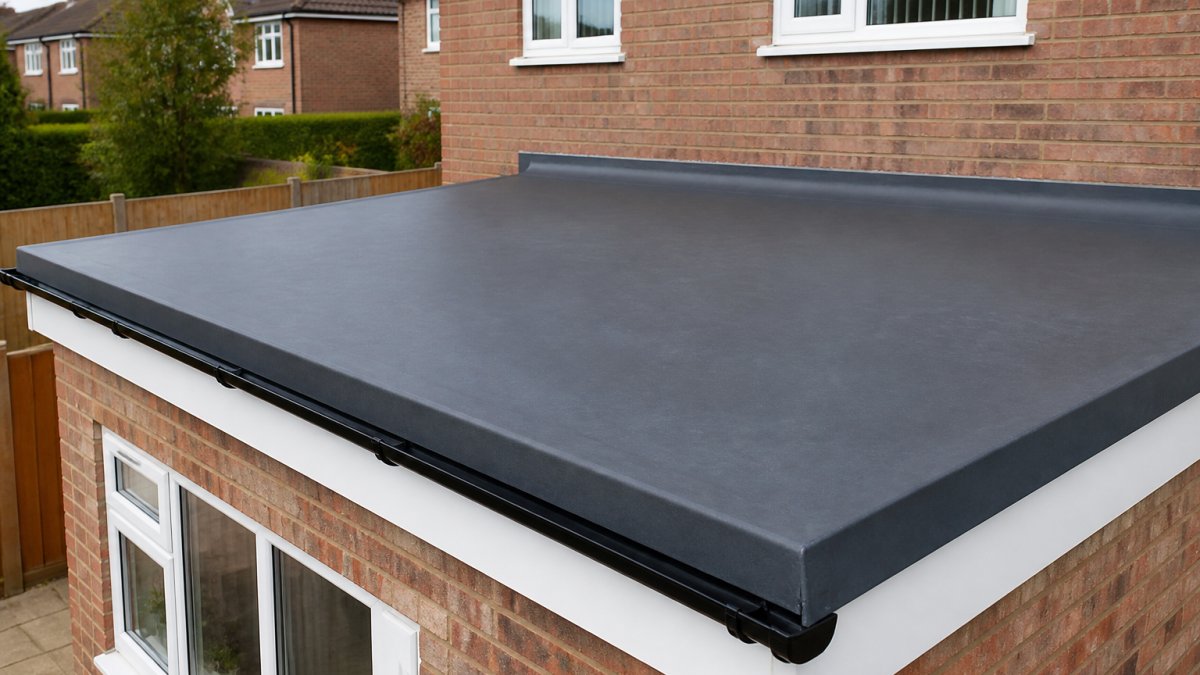
EPDM (ethylene propylene diene monomer) rubber roofing has become the standard for flat garage roofs in recent years. It's a synthetic rubber membrane that stretches across your roof and creates a watertight seal. Once installed, it requires almost no maintenance beyond occasional cleaning.
Why EPDM Works Well for Garage Extensions
EPDM performs exceptionally well on flat or low-slope garage roofs because it tolerates movement. As your structure settles or expands in heat, the rubber flexes without cracking. Traditional materials like felt become brittle over time; EPDM stays flexible for decades.
The membrane comes in large sheets. Seams are sealed with adhesive or mechanical fasteners, creating a continuous waterproof layer. This design eliminates the pooling-water problem that plagues other flat-roof systems.
EPDM also reflects less heat than dark materials, so your garage stays cooler in summer. For workshops or storage spaces, this matters. You'll spend less on cooling, and stored items won't degrade as quickly from heat exposure.
Installation and Maintenance
The existing roof is cleaned, any damaged decking is replaced, and the EPDM sheet is rolled out and secured. Seams are sealed with primer and adhesive or mechanically fastened, depending on the system chosen.
Maintenance is straightforward. Inspect the roof twice yearly, spring and autumn, for debris, standing water, or visible damage. Clear any leaves or moss. If you notice a leak, it's usually a seam issue that needs professional repair. Avoid walking on the roof unnecessarily, as sharp objects can puncture the membrane.
Felt vs EPDM Roofing: Which Suits Your Garage
Traditional felt roofing and modern EPDM represent two very different approaches. Understanding the differences helps you decide which fits your situation.
Traditional Felt Roofing
Felt roofing consists of layers of bitumen-soaked fabric, usually three layers thick, laid over the roof deck and sealed with hot tar or adhesive. It's been used for decades and remains affordable.
Felt roofs typically last 15-20 years before they need replacing. The bitumen hardens in sunlight and cold weather, eventually cracking. Water finds these cracks and leaks develop. Pooling water accelerates deterioration.
The main advantage of felt is cost. It's cheaper to install than EPDM. For a garage you plan to replace or upgrade within 15 years, felt makes financial sense. The main disadvantage is maintenance burden. You're more likely to deal with leaks and repairs.
Torch-On Felt as an Alternative
Torch-on felt is a modern variation where the bitumen layer is heated with a blowtorch during installation, creating a stronger bond to the roof deck. This improves durability compared to cold-applied felt.
Torch-on felt typically lasts 20-25 years, longer than traditional felt. It handles movement better and resists cracking more effectively.
The trade-off is skill. Torch-on installation requires experience with heat application. Poor technique causes blistering or weak seams.
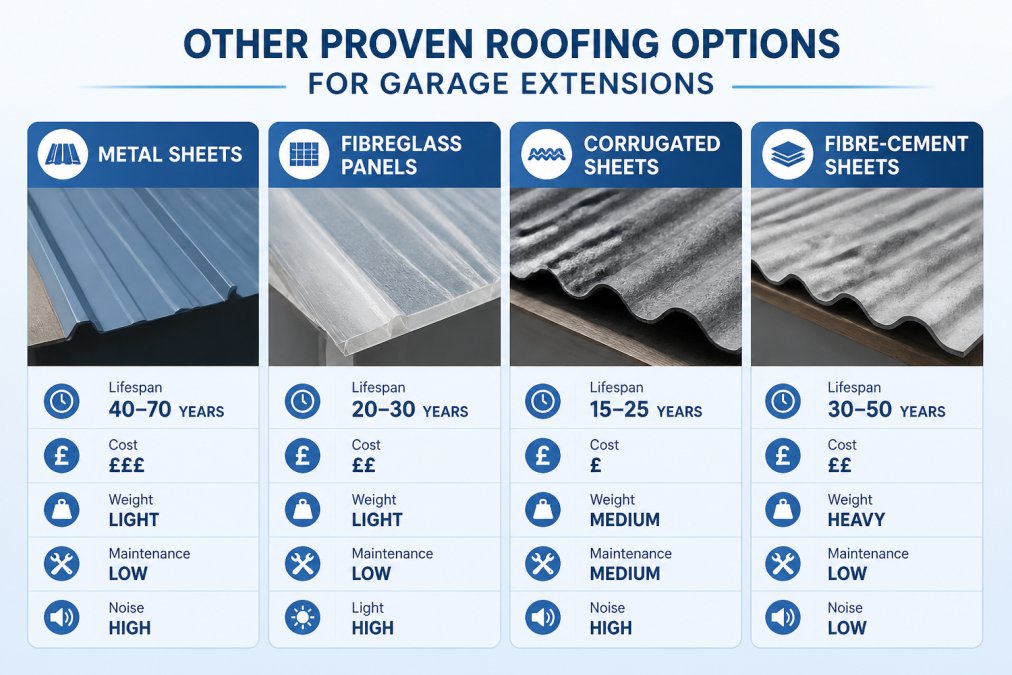
Other Proven Roofing Options for Garage Extensions
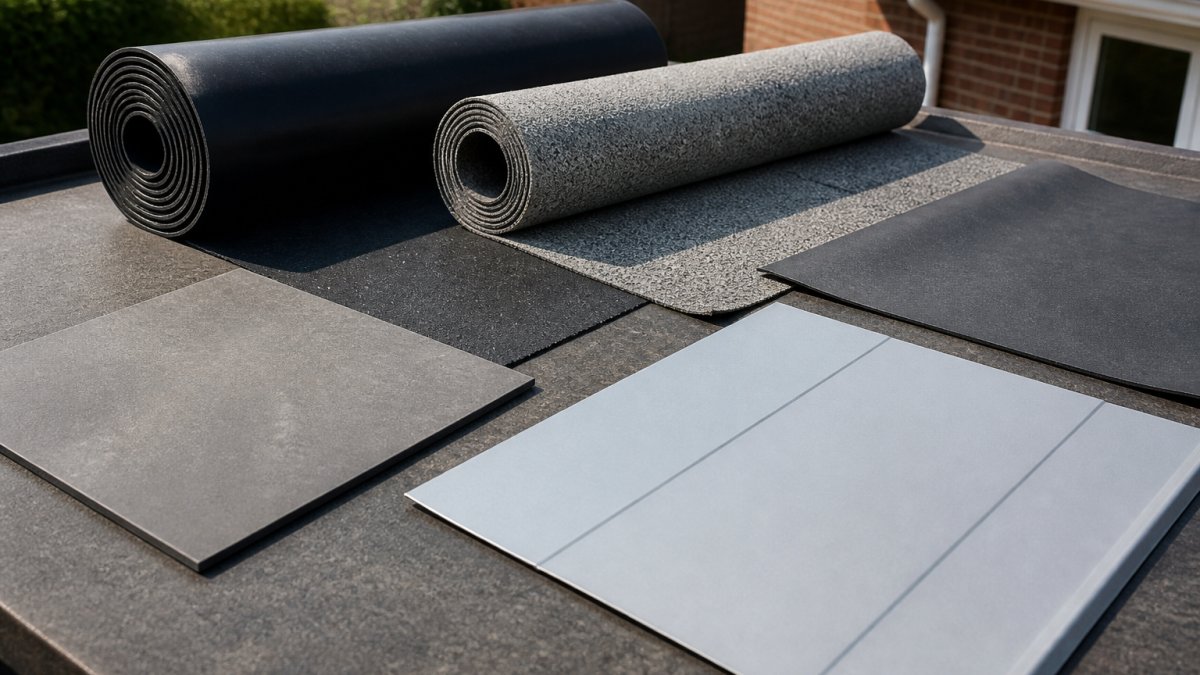
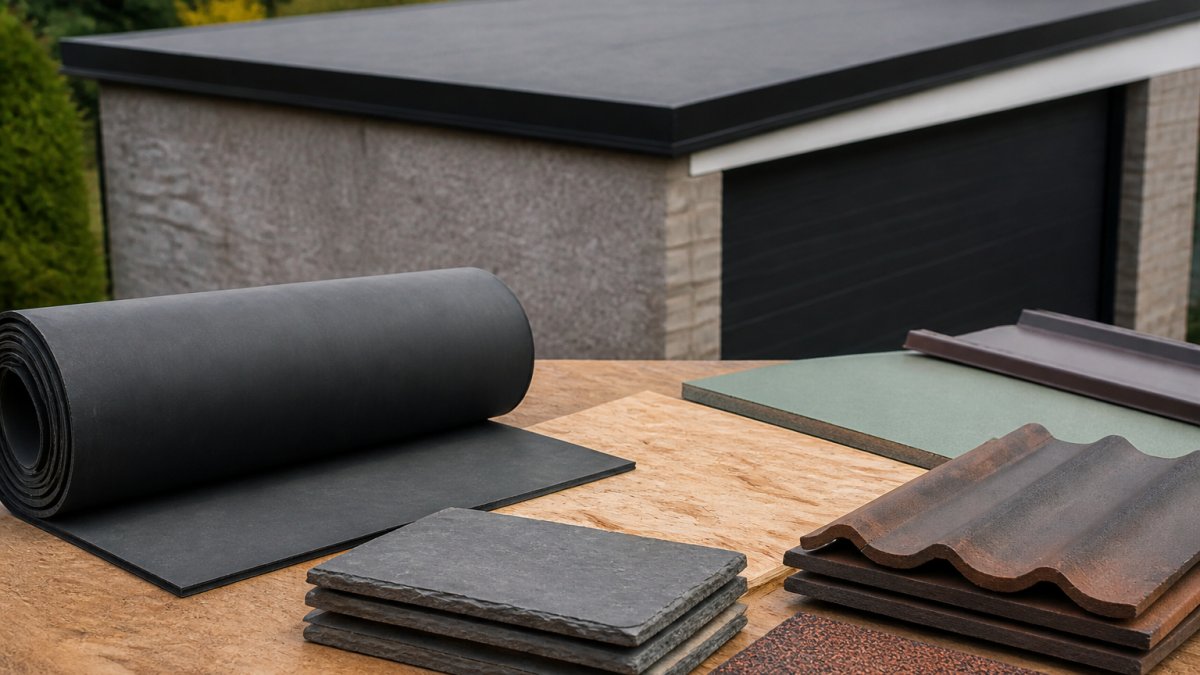
Beyond felt and EPDM, several other materials work well for garage roofs. Each has specific strengths and limitations.
GRP Fibreglass Roofing
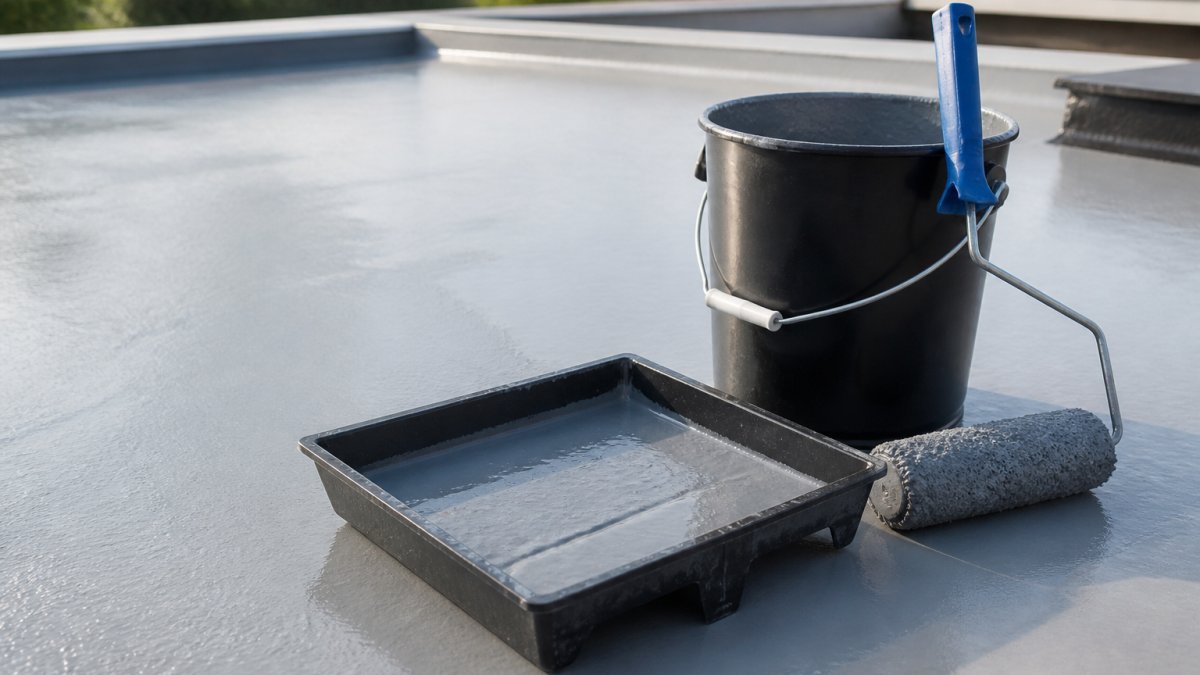
GRP (glass-reinforced plastic) fibreglass creates a rigid, seamless roof surface. The material is applied as a liquid resin over a fibreglass mat, then cured to form a solid shell. Once set, it becomes a single waterproof layer with no seams.
Fibreglass roofs last 30-40 years, among the longest-lasting options available. They tolerate foot traffic better than EPDM and resist puncture damage.
Installation is messy and weather-dependent. The resin application requires dry conditions and warm temperatures. Curing takes several days before the roof is fully usable.
Repairs are straightforward if damage occurs. The resin can be patched without replacing the entire roof.
Metal Roofing and Steel Sheets
Metal roofing, typically steel or aluminium sheets, offers excellent durability and a distinctive appearance. Steel sheets are galvanised to prevent rust. Aluminium naturally resists corrosion.
Metal roofs last 40-60 years with minimal maintenance. They're lightweight, which simplifies installation. They shed water efficiently, making them suitable for pitched or flat roofs. Many homeowners choose metal for aesthetic reasons; it complements modern or industrial garage designs.
The main disadvantage is noise. Rain and hail create significant sound on metal roofs. If your garage is attached to your house or near living spaces, this becomes a real issue. Insulation helps but doesn't eliminate the problem entirely.
Installation requires proper fastening and sealing at joints. Poor installation leads to water ingress at seams.
Corrugated Roofing Sheets
Corrugated sheets, typically plastic, metal, or bituminous, are common on agricultural buildings and sheds. They're affordable, lightweight, and quick to install. Plastic corrugated panels are transparent or translucent, allowing light into the garage.
These materials typically last 15-25 years depending on type and maintenance. Plastic corrugated becomes brittle in UV light and may crack. Metal corrugated rusts if the galvanising fails. Bituminous corrugated (asbestos-free modern versions) hardens and cracks over time.
Corrugated sheets work best as temporary solutions or for budget-conscious projects. They're not ideal for permanent garage extensions where durability matters long-term.
Fibre-Cement Sheets
Fibre-cement combines cement and cellulose fibres into rigid panels. These sheets are non-combustible, making them attractive for fire-rating purposes. They're durable, weather-resistant, and require minimal maintenance.
Fibre-cement roofs typically last 25-30 years. They don't rot, rust, or degrade like organic materials. Installation is straightforward, sheets are fastened to the roof structure with proper sealing at joints.
The main limitation is weight. Fibre-cement sheets are heavier than metal or plastic alternatives, requiring stronger roof framing. They're also brittle and can crack if walked on or struck. Cost is moderate, higher than felt but lower than fibreglass or quality metal systems.
Flat Roof Lifespan: What to Expect from Each Material
Understanding how long each material lasts helps you calculate true cost. A cheaper roof that fails in 15 years costs more overall than an expensive roof lasting 30 years.
EPDM rubber roofing typically lasts 25-40 years with proper installation and maintenance. Quality seam work and regular inspections extend lifespan toward the upper end. This is why ARRC Ltd backs our EPDM installations with a 20-year guarantee.
Felt roofing (traditional) lasts 15-20 years. Torch-on felt extends this to 20-25 years due to better adhesion and crack resistance.
GRP fibreglass lasts 30-40 years, making it one of the longest-lasting options. The rigid structure resists damage better than flexible membranes.
Metal roofing lasts 40-60 years if galvanising is maintained. Scratches or damage to the protective coating accelerate rust.
Corrugated sheets last 15-25 years depending on material. Plastic corrugated is shorter-lived; metal corrugated lasts longer if well-maintained.
Fibre-cement sheets last 25-30 years without significant degradation.
Garage Roof Replacement Cost: Budget and Value
Cost is a real consideration, but it's only one part of the equation. A roof that costs less but fails sooner wastes money.
Factors That Affect Your Total Investment
Several variables influence the final cost of your garage roof replacement:
Roof size and pitch. Larger roofs cost more simply because they require more material. Low-slope roofs are cheaper to install than steep pitches because they're safer and faster to work on.
Existing roof condition. If the old roof is sound, removal is quick. If decking is rotted or damaged, replacement adds cost. Asbestos-containing roofing requires specialist removal, which is expensive.
Material choice.
Labour availability.
Season and timing.
Whole-Life Cost Comparison
Rather than comparing installation cost alone, consider the total cost over the roof's lifespan.
A felt roof might cost less to install but needs replacing every 15-20 years. If you own the property long-term, you'll replace it twice in 40 years.
Factor in maintenance and repair costs. Felt roofs need regular inspections and patching. EPDM requires minimal maintenance. Metal roofs need occasional inspection but rarely fail. Corrugated sheets often need repairs within 10-15 years.
Energy efficiency matters too. Reflective materials like EPDM reduce cooling costs in summer. This saving compounds over decades.
Building Regulations and Planning Permission for Garage Extensions
Before selecting your roofing material, understand what building regulations require. Some materials are restricted based on fire performance or structural requirements.
In England, garage roofs must meet fire-safety standards under Building Regulations. Materials are classified by their reaction to fire. Non-combustible materials like metal, fibre-cement, and GRP are preferred. Felt and EPDM are acceptable if they meet the relevant fire-performance classifications.
Planning permission for garage extensions depends on size and location. Single-story extensions up to certain dimensions may be permitted development, requiring no planning application. However, if your extension is visible from the street or exceeds size limits, planning permission is necessary.
Building Control approval is always required. Your roof design, material choice, and installation method must be certified. This ensures the structure is safe and meets energy-efficiency standards. Poor insulation or inadequate ventilation can cause condensation problems inside your garage.
Check with your local authority before starting work. Requirements vary by region.
Matching Your Extension Roof to the Existing House
A garage extension that clashes with your house's appearance affects property value and curb appeal. The roofing material should complement your existing roof.
If your house has pitched clay or concrete tiles, matching the extension roof is challenging. Tiling a flat garage roof is impractical.
For houses with slate roofing, metal sheets in dark grey or black create visual harmony without the expense of slate on the extension.
If your house has asphalt shingles, a pitched extension roof with matching shingles is ideal. For flat extensions, EPDM or fibreglass in a neutral colour works well.
The fascia and guttering also matter. These visible elements frame your roof and should match or complement your house. Quality guttering prevents water damage and improves appearance.
Consider the overall style of your property. Modern houses suit metal or fibreglass roofs.
Choosing the best roofing materials for detached garage extensions requires balancing durability, cost, and aesthetics.
Frequently Asked Questions
What is the best roofing material for a detached garage?
EPDM rubber roofing is widely recommended for detached garages because it resists weather, requires minimal maintenance, and offers excellent durability. Felt roofing is a more affordable entry point, while GRP fibreglass and metal sheets suit garages with specific design requirements. Your choice depends on budget, expected lifespan, local weather exposure, and whether you want a flat or pitched roof design.
How long do EPDM rubber roofing and felt roofing last on a garage?
EPDM rubber roofing typically lasts 20-30 years or more with proper maintenance, making it a long-term investment. Traditional felt roofing usually lasts 10-15 years, while torch-on felt can reach 15-20 years. Lifespan varies based on weather exposure, installation quality, and maintenance. Metal roofing and GRP fibreglass often exceed 25 years.
Do I need building regulations approval for a garage extension roof?
Yes, most garage extensions require Building Regulations approval in the UK. Your roof must meet fire performance standards, structural requirements, and insulation regulations depending on the extension size and use. It's essential to check with your local building control authority before starting work. Proper approval also protects your property value and insurance.
What makes EPDM better than felt for garage roofing?
EPDM rubber roofing offers superior durability, resists pooling water better, and typically lasts 10-15 years longer than traditional felt. It's more flexible in temperature changes, reducing seam separation issues. Felt remains a budget-friendly option for smaller garages or temporary solutions, but EPDM provides better long-term value if you plan to keep the property.