 how-to
How to Find Local Roofers for Garage Extensions
Table of Contents
- Why Choosing the Right Local Roofers for Garage Extensions Matters
- Understanding Building Regulations for Garage Extensions
- Types of Roofing Materials for Garage Extensions
- How to Spot a Rogue Roofer and Protect Your Investment
- What to Expect: The Garage Roof Installation Process
- Flat Roof Replacement Cost: What Influences Your Quote
- Maintenance and Long-Term Care for Your New Garage Roof
- Conclusion
Last Updated: August 29, 2026
Why Choosing the Right Local Roofers for Garage Extensions Matters
Finding reliable local roofers for garage extensions is critical. A poorly installed roof costs thousands to fix, compromises structural integrity, and leads to water damage spreading to walls, insulation, and foundations. The difference between competent installation and a botched one comes down to experience, local knowledge, and accountability. At ARRC Ltd, we've spent over 30 years working on garage extensions across Staffordshire, Cheshire, and Stockport, and we've seen firsthand what happens when homeowners cut corners on contractor selection.
A garage extension roof bears weight differently than a standard pitched roof. It needs proper waterproofing, thermal insulation, and structural support. Get it wrong, and you're looking at pooling water, condensation issues, and mould growth within months. This guide walks you through everything you need to know about finding, vetting, and working with local roofers for garage extensions, materials that work, regulations you must follow, how to spot cowboys, and what professional installation looks like.
Understanding Building Regulations for Garage Extensions
Building Regulations for garage extensions are stricter than many homeowners expect. Your extension roof must meet thermal performance standards, which means it needs adequate insulation (gov.uk). A simple flat roof won't pass inspection. You need a properly designed system with insulation, vapour barriers, and correct ventilation to prevent condensation.
The building control process typically requires submission of plans before work starts, inspection of the roof structure before the membrane is laid, final inspection once complete, and a completion certificate for future property sales. Without a completion certificate, you'll struggle to sell your home, your insurance may not cover damage, and you could face enforcement action requiring you to rip the roof off and start again.
The regulations also specify minimum standards for waterproofing. EPDM rubber roofing, fibreglass, and felt all meet current standards when installed correctly, but each has different performance characteristics. Building Regulations Part L guidance on conservation of fuel and power sets the thermal performance requirements for extensions, and your roof insulation must meet these standards.
Types of Roofing Materials for Garage Extensions
The material you choose determines how long it lasts, how well it performs in bad weather, and how much maintenance it needs. Three materials dominate: EPDM rubber roofing, fibreglass, and felt.
EPDM Rubber Roofing
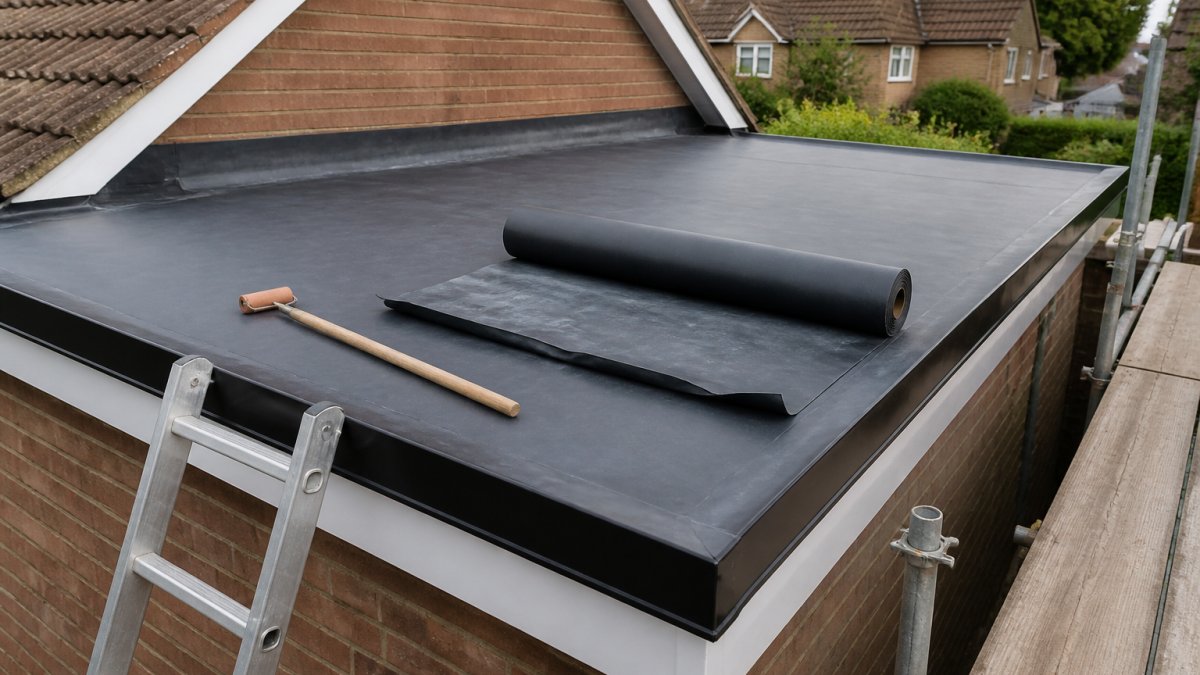
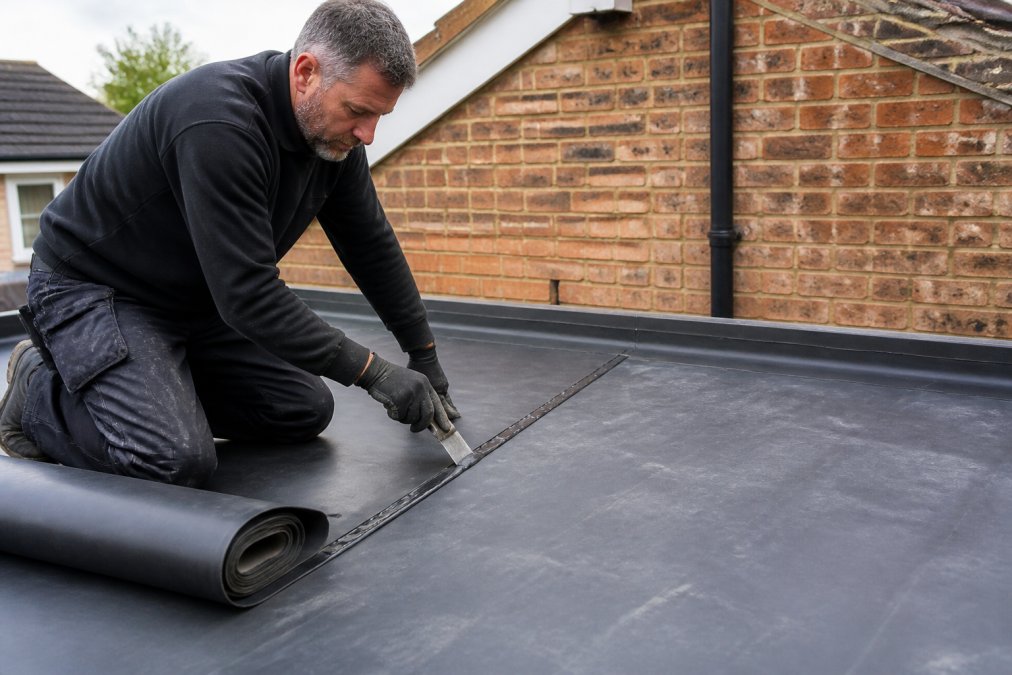
EPDM (ethylene propylene diene monomer) is a synthetic rubber membrane that's become the industry standard for flat roofs. It's flexible, durable, and handles temperature swings without cracking. EPDM comes in large sheets (typically 7.6m wide) that are laid across the roof and sealed at the seams. The material won't degrade in UV light, won't become brittle in winter, and genuinely lasts 20+ years when installed properly (peer-reviewed research). We back all our EPDM installations with a 20-year guarantee at ARRC Ltd.
The main advantage is longevity and low maintenance. Once installed, you're not regularly patching or recoating it. For a garage extension you're planning to keep for decades, EPDM is the smart choice. The trade-off is upfront cost, more expensive than felt but cheaper than some premium fibreglass systems.
Fibreglass Roofing
Fibreglass (GRP, glass-reinforced plastic) is a rigid system built up in layers directly onto the roof deck, creating a seamless, hardwearing surface excellent for high-traffic roofs. You can walk on it, place equipment on it, or paint it without damaging the membrane. The downside is that fibreglass can crack if the underlying structure moves or settles, and it needs regular maintenance, typically recoating every 10-15 years. For a garage extension where you're not planning major roof use, this extra maintenance is often unnecessary.
Felt Roofing
Felt is the budget option. It's cheap and quick to install, but typically lasts only 10-15 years before degrading. UV light breaks down the bitumen, seams can separate, and you'll likely need repairs within a decade. For a garage extension you're planning to upgrade within 10 years, felt works. For anything longer-term, EPDM usually works out cheaper over 20 years when you factor in repairs and eventual replacement.
How to Spot a Rogue Roofer and Protect Your Investment
The roofing industry attracts cowboys. A rogue roofer typically shows these warning signs: no verifiable track record or online presence, pressure to pay upfront in full, no written quote or contract, vague guarantees not in writing, no proof of insurance or qualifications, pressure to use their "mate" for other work, or an unusually low quote.
The best protection is hiring someone with genuine local reputation, verifiable reviews, and insurance. At ARRC Ltd, we're happy to provide references from customers in your area, show you examples of completed work, and explain exactly what our guarantee covers.
What to Expect: The Garage Roof Installation Process
Understanding what a professional installation involves helps you spot when corners are being cut and gives you realistic expectations for timeline and disruption.
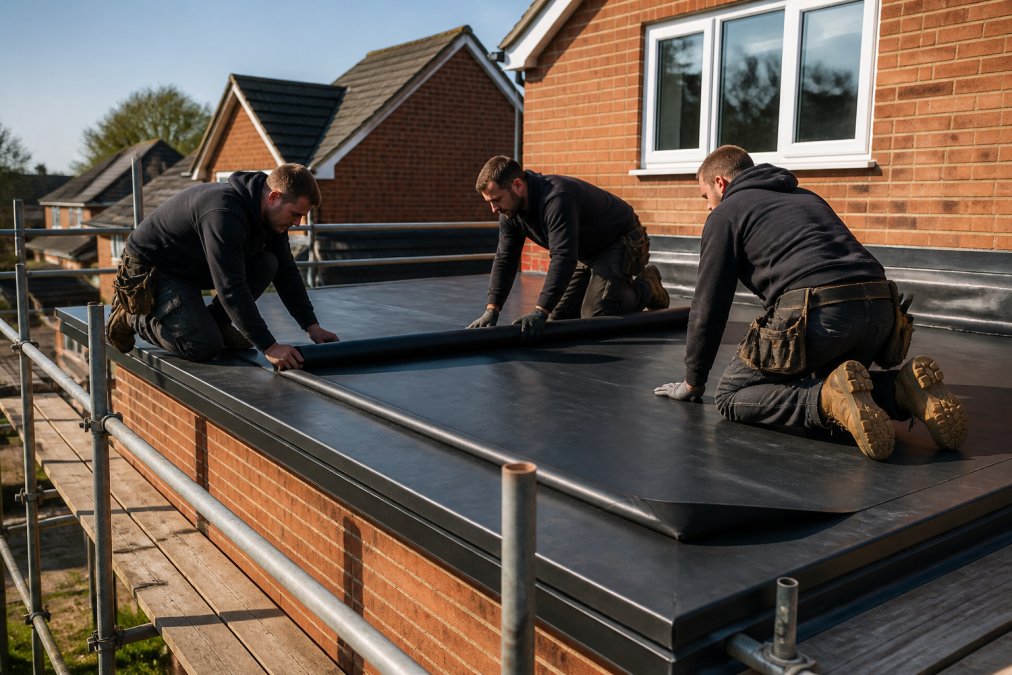
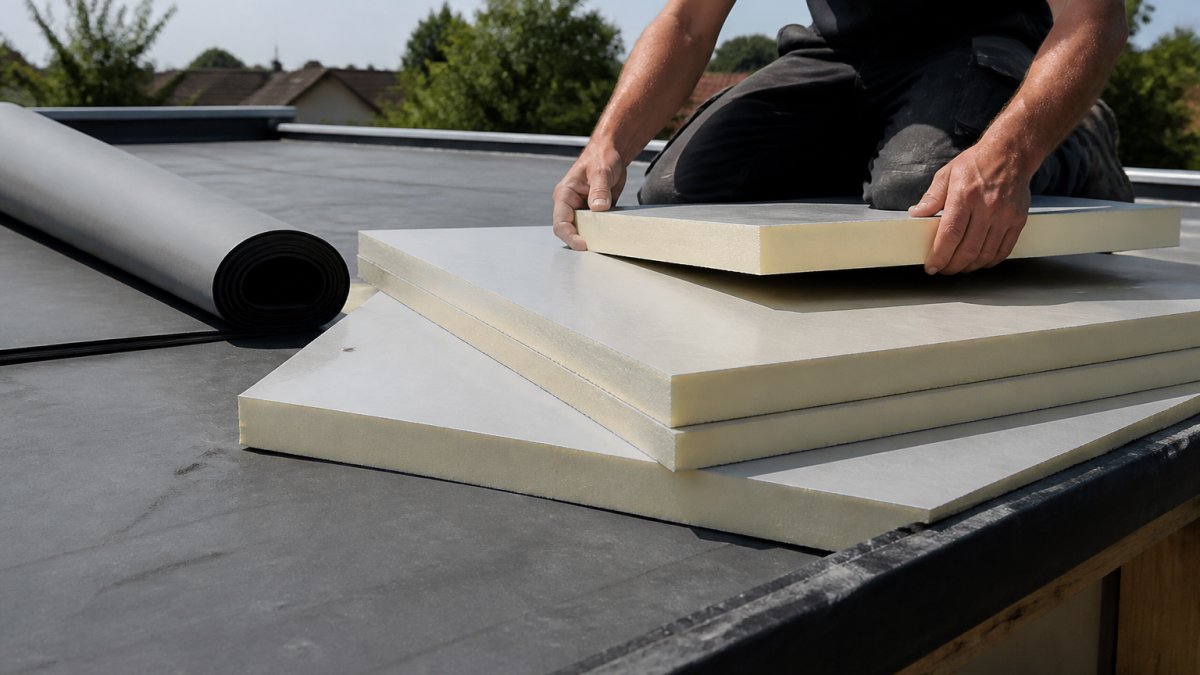
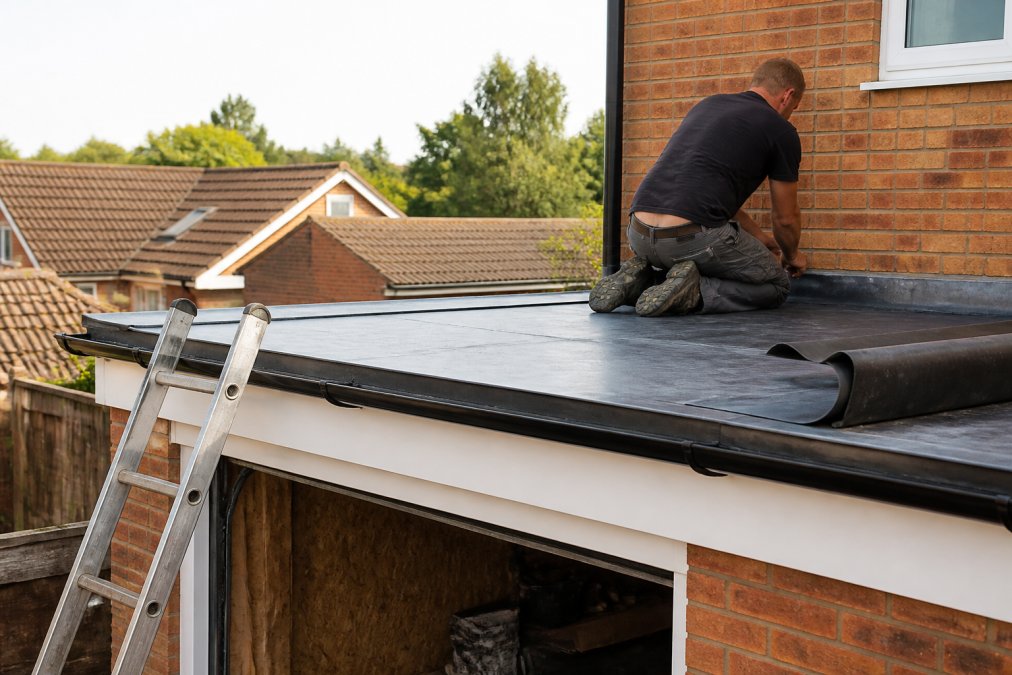
A proper garage roof installation follows this sequence: preparation and structural inspection to ensure the roof deck and joists are sound; installation of insulation (typically 100-150mm) and vapour barrier to prevent condensation; roof membrane installation with careful sealing of seams; installation of fascias, soffits, and guttering to protect edges and manage water runoff; and final inspection and testing to ensure all seams are sealed and water flows properly toward gutters.
The entire process typically takes 3-5 days for a standard garage extension, depending on size and complexity. Weather delays this, roofing can't happen in heavy rain or high winds, so plan for potential delays if you're working to a tight timeline.
Flat Roof Replacement Cost: What Influences Your Quote
Flat roof replacement cost varies widely depending on material, size, complexity, and local factors. The main cost drivers are material choice, roof size and complexity, existing roof condition, access and site conditions, and what's included in the quote.
The best approach is to get three detailed quotes from established local roofers, compare what's included, and ask why quotes differ if they do.
Maintenance and Long-Term Care for Your New Garage Roof
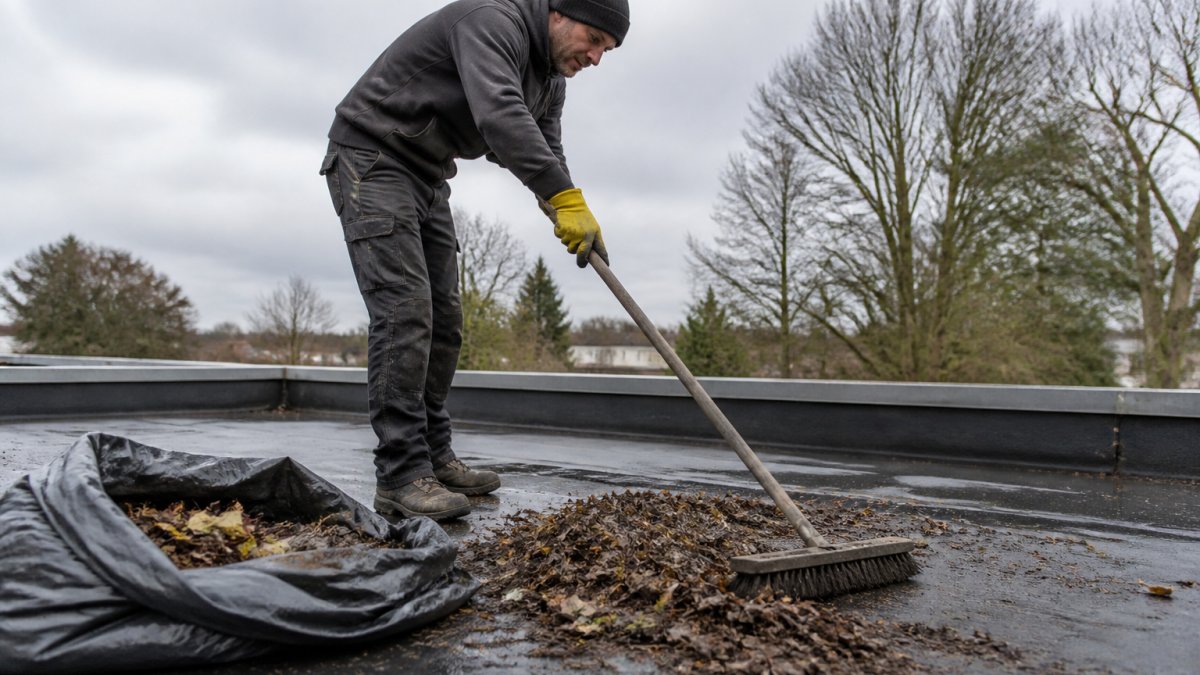
A new roof requires regular maintenance to extend its life and keep your guarantee valid. For EPDM rubber roofing: clear gutters and downpipes regularly (at least twice yearly), check seams annually for separation or lifting, remove debris promptly, check after severe weather, and have a professional inspection every 5 years. Most homeowners find that proper maintenance of an EPDM roof costs very little, mostly just keeping gutters clear. The payoff is a roof that genuinely lasts 20+ years without major intervention.
Choosing the right local roofers for garage extensions isn't just about getting a quote, it's about finding someone with genuine expertise, local accountability, and the commitment to do the job properly. A well-installed garage roof protects your investment, passes building control, and genuinely lasts decades. At ARRC Ltd, we've built our reputation over 30 years on delivering exactly that. We work with high-quality materials like EPDM rubber roofing, handle all the regulatory requirements, and back our work with a 20-year guarantee. If you're planning a garage extension and want a roof that will last, contact ARRC Ltd for a free consultation and detailed quote.
Frequently Asked Questions
How can you tell a dodgy roofer?
A rogue roofer may lack proper insurance, skip building control approval, refuse to provide references, demand full payment upfront, or work without a written contract. Check they're registered with relevant trade bodies, ask for evidence of public liability insurance, and verify they've completed similar projects. Request contact details for previous clients and always get quotes in writing. Legitimate roofers welcome questions about their credentials and qualifications.
What factors influence flat roof replacement cost?
Flat roof replacement cost depends on the roof size, current material condition, choice of new material (EPDM, fibreglass, or felt), labour complexity, and whether additional work like fascias or soffits is needed. Structural repairs, asbestos removal, and site access also affect pricing. Weather conditions and project timing can influence costs. Contact ARRC Ltd for a free consultation and detailed quote tailored to your specific garage extension.
Do I need Building Regulations approval for a garage roof extension?
Most garage extensions and roof replacements require Building Regulations approval to ensure structural integrity, waterproofing, thermal insulation, and safety standards. The requirements depend on the extension size and whether it's a new build or replacement. Your local authority building control office will confirm what's needed. Professional roofers handle the regulatory process and inspection, ensuring your roof meets all current standards.
How long should a flat roof on a garage last?
A well-installed flat roof typically lasts 20-30 years, depending on the material and maintenance. EPDM rubber roofing, with proper care, can exceed 25 years. Fibreglass and felt roofs may need earlier replacement. Regular inspections catch leaks and damage early, extending the roof's lifespan. Proper drainage, condensation control, and weatherproofing are essential. ARRC Ltd backs its flat rubber roofs with a 20-year guarantee.
This article was written using GrandRanker