 listicle
Garage Roof Replacement Cost 2026: Materials & Labour
Table of Contents
- Average Cost of Garage Roof Replacement
- Types of Garage Roofing Materials and Their Costs
- Factors Affecting Your Garage Roof Replacement Cost
- Building Regulations for Garage Roof Replacement
- How Long Does a Garage Roof Last
- Materials vs Labour Costs: What You're Actually Paying For
- How to Save Money on Your Garage Roof Replacement
- Signs You Need a New Garage Roof
Last Updated: August 23, 2026
Average Cost of Garage Roof Replacement
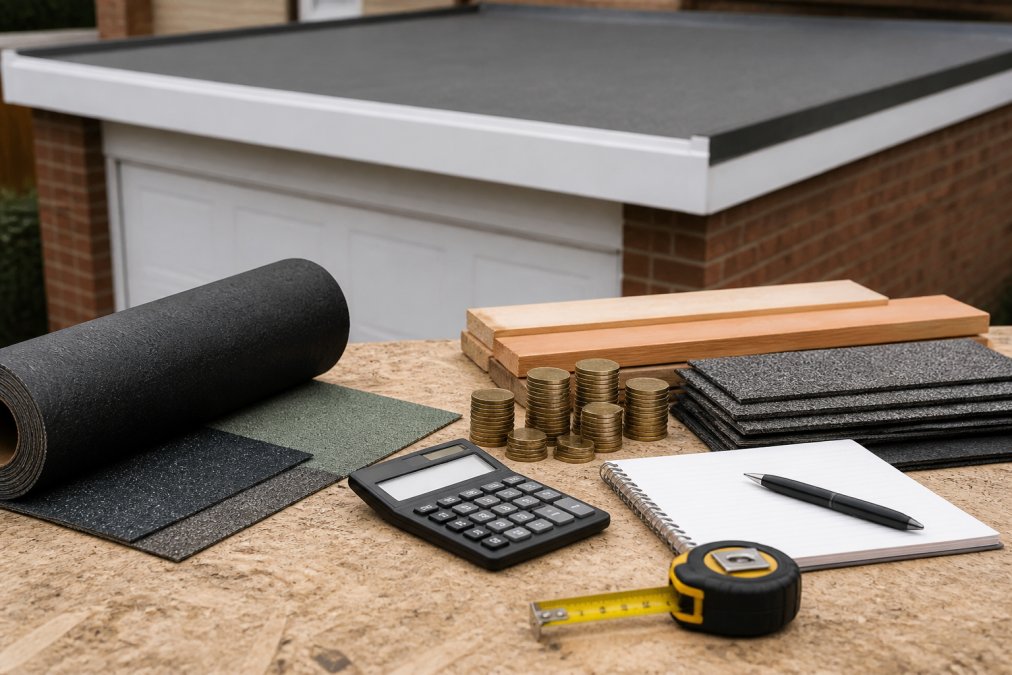
The cost of garage roof replacement in 2026 varies significantly based on the roof type, materials chosen, and labour requirements. A typical single garage with a flat roof costs between £2,000 and £5,000 for a complete replacement, whilst pitched roofs tend to fall within the £3,000 to £7,000 range. For larger structures or commercial properties, costs can extend considerably higher.
What drives these figures? Size matters most. A small garage roof measuring 40 square metres will cost substantially less than a double garage or extended structure at 80 square metres. Beyond dimensions, your choice of roofing material creates a dramatic price swing. EPDM rubber roofing, for instance, commands different pricing than traditional bitumen felt or GRP fibreglass. Labour costs typically account for 40-50% of your total bill, though this varies by region and contractor complexity (bls.gov).
The cost of garage roof replacement also depends on whether you're replacing an existing roof or installing on new construction. Removal and disposal of old materials adds expense, particularly if asbestos is present. Building regulation compliance and any structural repairs discovered during installation can push costs upward unexpectedly.
Types of Garage Roofing Materials and Their Costs
Your material choice fundamentally shapes both the upfront cost and long-term value of your garage roof replacement. Each option presents distinct advantages, limitations, and price points.
Flat Roof vs Pitched Roof Costs
Flat roofs dominate garage construction across the UK, primarily because they're cheaper to install and maximise interior space. A flat roof replacement typically costs 20-30% less than an equivalent pitched roof due to simpler construction and reduced labour time. However, pitched roofs offer better water drainage and typically last longer before requiring major intervention.
The structural difference explains the cost gap. Flat roofs require precise waterproofing membranes and adequate slope for drainage, anything less than a 1:40 pitch demands active water management. Pitched roofs shed water naturally, reducing pooling risk and extending lifespan. If your garage currently has a flat roof, converting to pitched during replacement involves additional structural work, framing, and labour that can add £1,500-£3,000 to the project.
For most homeowners, flat roof replacement makes financial sense. The cost of garage roof replacement stays manageable, and modern materials like EPDM rubber have eliminated many historical flat-roof problems. Pitched roofs suit properties where aesthetics matter or where water pooling has been persistent.
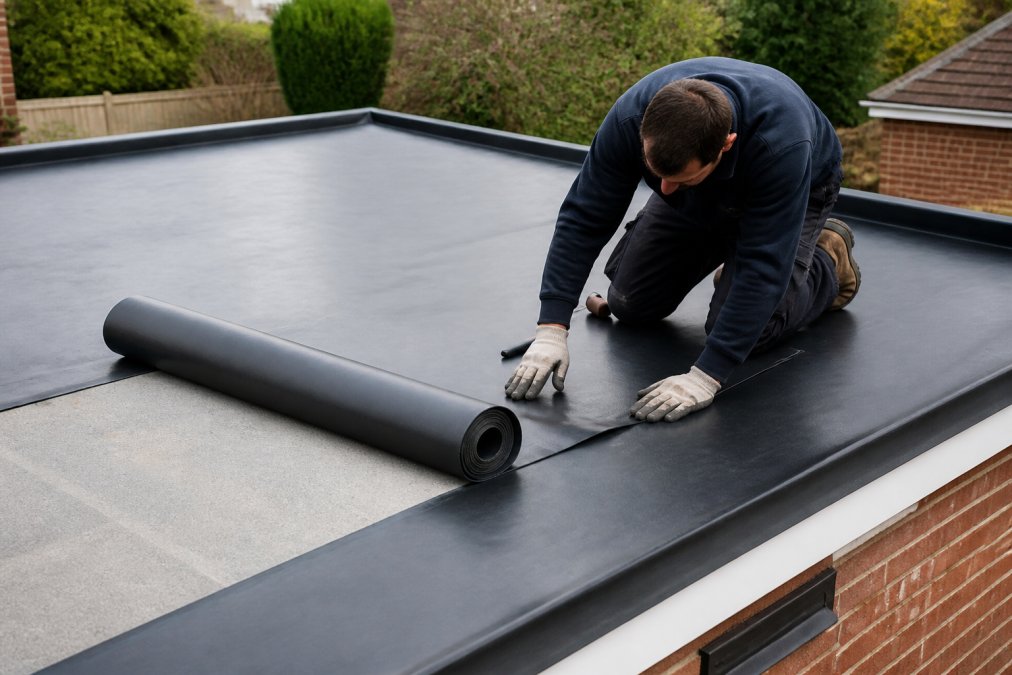
EPDM Rubber Roofing Cost Per Square Metre
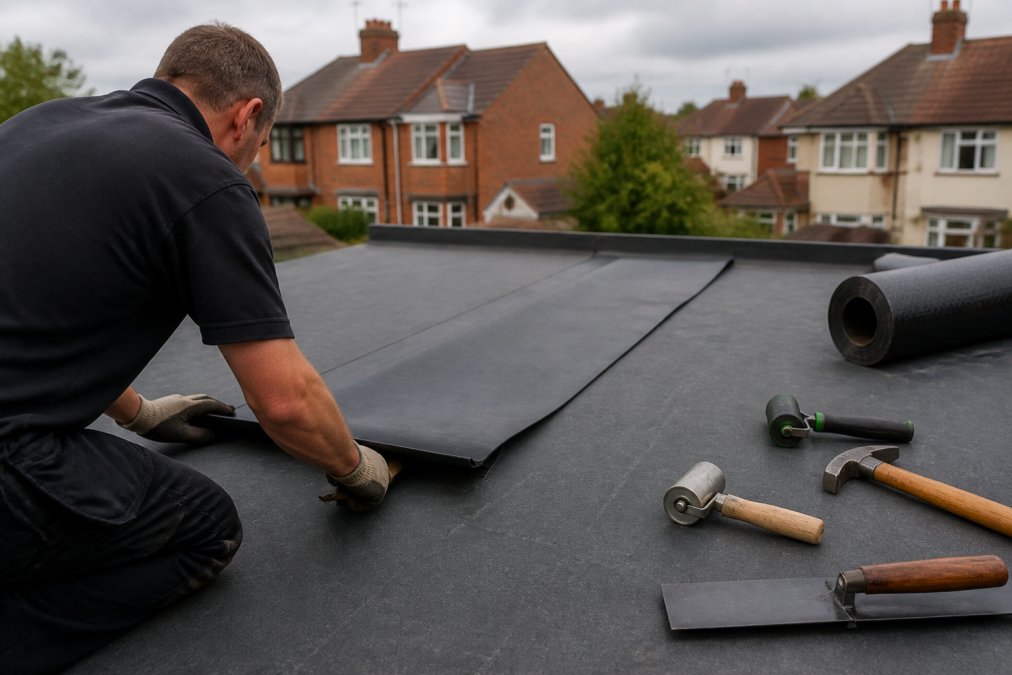
EPDM rubber roofing has become the preferred choice for flat garage roofs, and pricing reflects its popularity and durability. Material costs typically run £8-£15 per square metre, whilst installation labour adds another £10-£20 per square metre. This means a 50 square metre garage roof costs approximately £900-£1,750 for materials alone, plus £500-£1,000 in labour.
What makes EPDM attractive beyond pricing? The material stretches and moves with temperature changes, reducing cracking and membrane failure. A properly installed EPDM roof lasts 25-40 years, substantially longer than felt-based alternatives (peer-reviewed research). This longevity justifies the initial investment. EPDM also handles UV exposure better than older materials, meaning less degradation over time.
Installation quality matters enormously with EPDM. Seams must be sealed correctly, this is where most failures occur. Experienced roofers familiar with EPDM installation are worth the premium. Cheaper contractors cutting corners on seam work create future leak problems that cost far more to repair.
GRP Fibreglass and Bitumen Felt Options
GRP fibreglass offers a middle ground between traditional felt and premium EPDM. Material costs run £12-£18 per square metre, with installation adding £12-£22 per square metre. The total package for a 50 square metre roof sits around £1,200-£2,000.
GRP provides excellent durability and can be walked on immediately after installation, unlike some EPDM products. The finish is hard-wearing and handles foot traffic better than rubber membranes. However, GRP requires professional installation and cannot be patched as easily as EPDM if damage occurs.
Bitumen felt represents the budget option, costing £3-£6 per square metre for materials plus £8-£15 per square metre for labour. A 50 square metre garage costs approximately £550-£1,050 total. The catch? Bitumen felt typically lasts only 10-15 years before requiring replacement (peer-reviewed research). It's prone to cracking in cold weather and deteriorates under UV exposure. For a garage roof, felt is a false economy, you'll replace it within a decade, negating any upfront savings.
Modern felt products with reinforced layers perform better than traditional felt, but they still underperform EPDM and GRP over the long term. Choose felt only if budget is absolutely critical and you're prepared for replacement within 15 years.
Factors Affecting Your Garage Roof Replacement Cost
Several variables influence your final bill beyond material selection. Understanding these helps you anticipate costs and avoid surprises.
Roof size and complexity dominate pricing. A simple rectangular 40 square metre garage roof costs far less than an L-shaped 60 square metre structure with multiple angles. Each corner and edge requires additional sealing work. Skylights, roof vents, or existing chimney penetrations add labour and materials.
Structural condition matters significantly. If roof decking (the wooden structure beneath the membrane) is sound, replacement proceeds straightforwardly. Rotted or damaged decking requires replacement before new roofing can be installed, adding £15-£30 per square metre. Asbestos-containing felt necessitates certified removal, adding £50-£100 per square metre for safe disposal.
Access and location affect labour costs. Ground-level garages cost less to work on than roofs requiring scaffolding or difficult positioning. Rural locations may incur travel charges. Weather conditions during installation influence scheduling and labour efficiency.
Building regulations compliance varies by local authority. Some areas require specific membrane types or insulation standards. Compliance inspections add £200-£500 to your project. Planning permission, required for some extensions or visible roof changes, adds time and cost.
Building Regulations for Garage Roof Replacement
Building regulations in England, Scotland, Wales, and Northern Ireland set minimum standards for roof replacement work. Compliance isn't optional, failure to meet regulations can affect property insurance, future sales, and council enforcement action.
For detached garages, building regulations typically apply if the roof replacement involves structural changes or if the garage is newly attached to a dwelling. For integral garages (built into the house), regulations almost always apply. The specific requirements depend on your local authority.
Key regulatory considerations include roof decking specification, insulation values for energy efficiency, and ventilation requirements. Many garages lack adequate ventilation, regulations may require installation of roof vents during replacement. Damp-proofing standards also apply, particularly where the garage connects to the main dwelling.
Most professional roofers handle building control notification and inspections as part of their service. ARRC Ltd, for example, manages all regulatory compliance, ensuring your garage roof replacement meets current standards without additional hassle. This protects your investment and maintains property value.
How Long Does a Garage Roof Last
Material lifespan directly influences the cost of garage roof replacement over time. Understanding expected longevity helps you plan maintenance and budget for future work.
EPDM rubber roofing typically lasts 25-40 years with proper maintenance. The material resists UV degradation and temperature extremes better than alternatives. Seams remain the vulnerable point, regular inspection ensures sealant integrity. At the 15-20 year mark, you might re-seal seams to extend lifespan another 10-15 years, a cost-effective intervention compared to full replacement.
GRP fibreglass roofs last 20-30 years, with some installations reaching 35 years. The hard surface resists puncture and weathering. Recoating the surface at year 10-15 extends lifespan and refreshes appearance.
Bitumen felt roofs deteriorate faster, typically lasting 10-15 years. Re-felting (applying new felt over existing material) extends life another 10-12 years at roughly 40-60% of full replacement cost. This makes re-felting an attractive maintenance option for felt roofs.
Factors affecting actual lifespan include climate exposure, maintenance frequency, and installation quality. A roof in a sheltered location with regular inspections outlasts one in an exposed area with neglect. Proper ventilation and drainage reduce stress on membranes, extending service life.
Materials vs Labour Costs: What You're Actually Paying For
Your garage roof replacement bill splits between materials and labour. Understanding this breakdown helps you evaluate quotes fairly.
Materials typically represent 35-45% of your total cost. Premium materials like EPDM cost more upfront but deliver superior longevity. Budget materials save on initial outlay but require replacement sooner, increasing lifetime costs.
Labour comprises 55-65% of most quotes. This covers removal of existing roofing, disposal, structural inspection, preparation, installation, and finishing work. Experienced roofers command higher hourly rates but work more efficiently and produce superior results. A skilled installer completes a 50 square metre roof in 2-3 days; inexperienced workers may require 4-5 days, inflating labour costs.
Additional costs often surprise homeowners. Asbestos removal, structural repairs, building control inspections, and waste disposal add £500-£2,000 depending on what's discovered. These are legitimate expenses reflecting genuine work required.
Comparing quotes requires examining what's included. One quote might exclude waste disposal or building control notification; another includes everything. The cheapest quote isn't always the best value. A contractor offering £3,000 with full compliance and warranty provides better value than £2,500 without guarantees.
How to Save Money on Your Garage Roof Replacement
Reducing costs without compromising quality requires strategic decisions and smart planning.
Timing your project influences pricing. Spring and summer see higher demand and premium rates. Autumn and winter offer better availability and potentially lower labour costs, though weather can complicate installation. Scheduling during quieter periods can yield 10-15% savings.
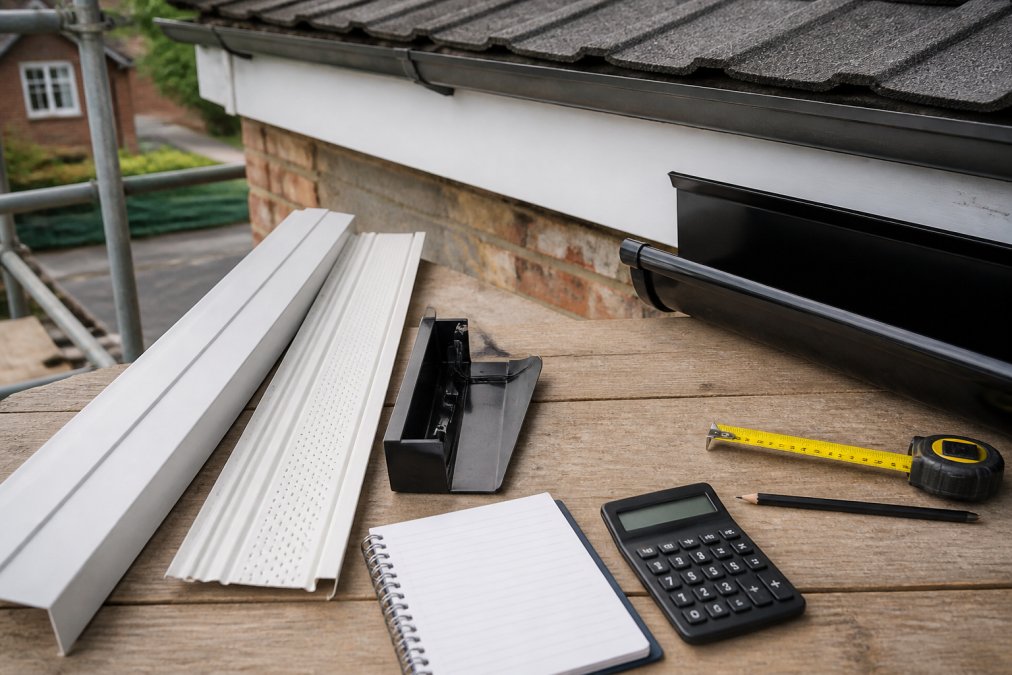
Combining projects reduces overall expense. If your garage needs new fascias, soffits, or guttering, scheduling these simultaneously with roof replacement cuts mobilisation costs. Contractors bring equipment and labour once rather than multiple visits.
Choosing appropriate materials balances cost and longevity. EPDM rubber offers excellent value over 25-30 years despite higher upfront cost. Bitumen felt saves money initially but requires replacement within 15 years, ultimately costing more. Calculate lifetime costs, not just upfront expense.
Obtaining multiple quotes reveals market rates and identifies outliers. Three to five quotes provide a realistic range. Detailed quotes showing material specifications, labour breakdown, and warranty terms enable fair comparison.
Addressing issues early prevents expensive emergency repairs. Regular roof inspections catch minor problems before they become major damage requiring full replacement. Maintenance costs far less than emergency work.
Planning for contingency prevents budget shock. Building 10-15% contingency into your budget accommodates unexpected structural issues or material price changes. This reduces stress and prevents project delays when surprises surface.
Signs You Need a New Garage Roof
Recognising deterioration early helps you plan replacement before emergency repairs become necessary. Several warning signs indicate your garage roof requires attention.
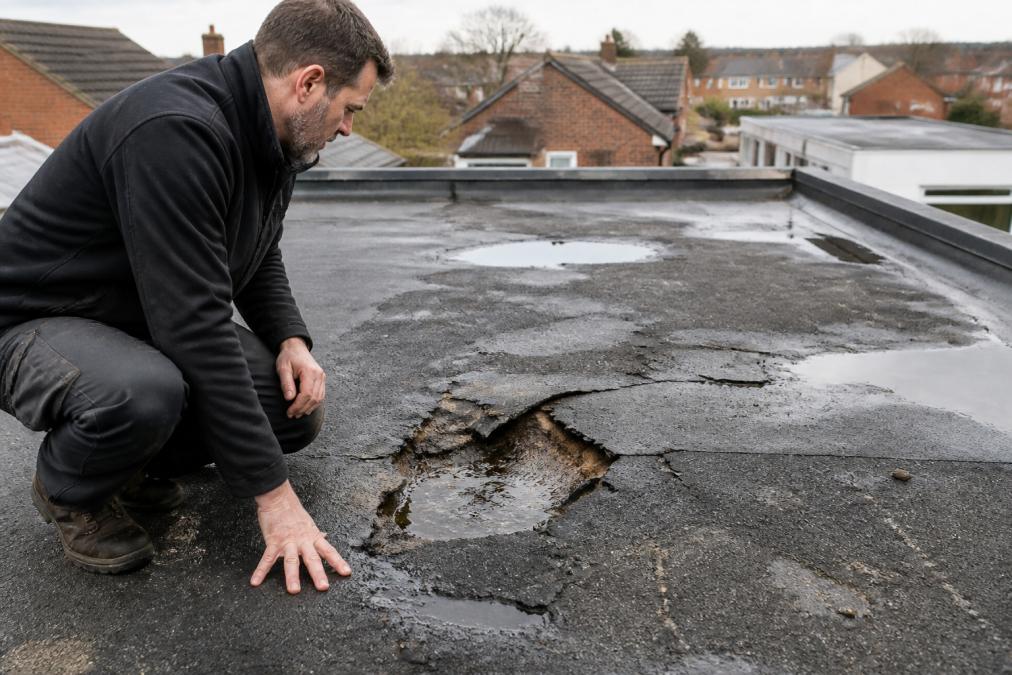
Pooling water on flat roofs indicates inadequate drainage. Water sitting for extended periods penetrates membranes and rots decking. If you notice standing water after rain, your roof slope may be insufficient or the membrane may be sagging. This requires intervention, either re-sloping during replacement or improving drainage.
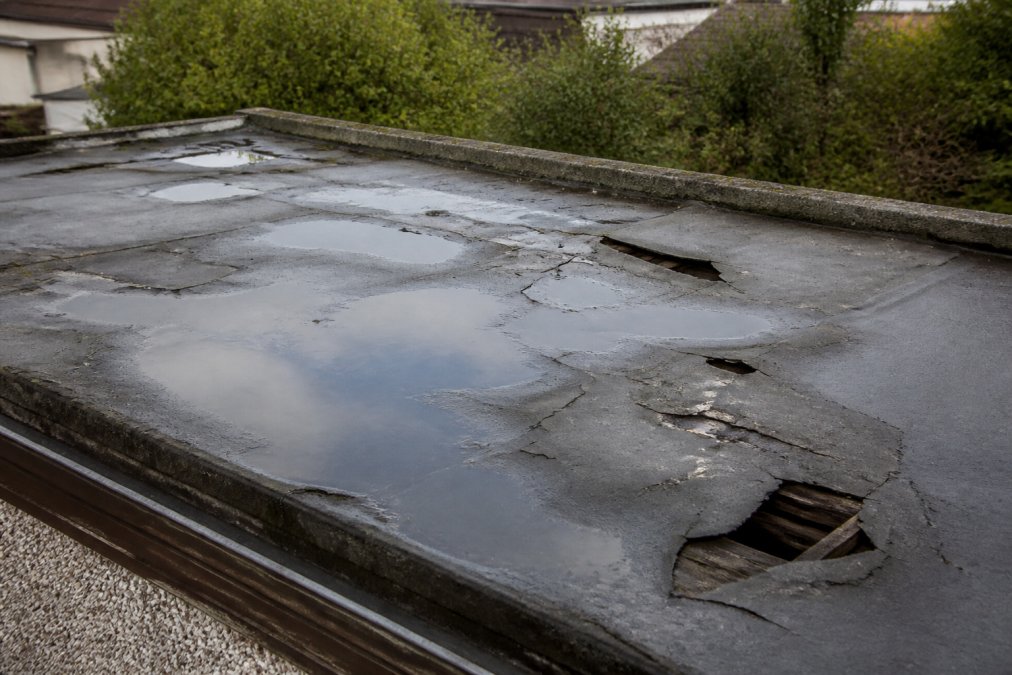
Interior leaks are the most obvious indicator. Water stains on garage ceilings, damp patches, or actual dripping water mean the membrane has failed. Don't delay, water penetration causes rapid structural decay and mould growth.
Visible membrane damage including cracks, blisters, or separation requires assessment. Small cracks might be repairable; extensive damage necessitates replacement. EPDM membranes sometimes develop blisters from trapped moisture, this indicates underlying problems requiring investigation.
Sagging or uneven roof surface suggests structural failure. Decking may be rotting or joists failing. This is serious, sagging roofs can collapse under snow load or heavy rain. Professional inspection is essential.
Seam separation on EPDM roofs indicates sealant failure. Visible gaps between seams allow water penetration. Early re-sealing prevents major problems; extensive separation requires full replacement.
Age and deterioration matter. If your roof is 15+ years old and showing multiple warning signs, replacement is economical. Ongoing repairs on aging roofs eventually cost more than replacement.
Moss and algae growth suggests moisture retention and potential membrane degradation. Whilst not immediately dangerous, heavy growth indicates the roof is retaining moisture longer than it should.
The cost of garage roof replacement reflects the materials chosen, the complexity of your specific roof, and the quality of installation. EPDM rubber roofing offers the best long-term value for most garages, delivering 25-40 years of reliable performance. Building regulations compliance ensures your investment is protected and your property maintains value. Getting multiple quotes and understanding what's included in each helps you make informed decisions. ARRC Ltd brings 30+ years of experience to garage roof replacement, managing all regulatory requirements and delivering installations backed by a 20-year guarantee. Whether you're facing an emergency leak or planning a proactive replacement, professional assessment ensures you understand your options and costs before committing. Get a quote today and understand exactly what your garage roof replacement will involve.
Frequently Asked Questions
What is the average cost to replace a garage roof in 2026?
The total garage roof replacement cost depends on roof size, material type, and labour rates. Flat roofs using EPDM rubber or fibreglass typically cost more upfront but last longer and require less maintenance. Pitched roofs with traditional felt or tiles have different pricing structures. Contact us for a personalised quote based on your specific garage dimensions and roof condition.
Is EPDM rubber more cost-effective than traditional felt for garages?
EPDM rubber roofing costs more initially per square metre than bitumen felt, but offers superior durability, typically lasting 20+ years versus 10-15 years for felt. Lower maintenance costs, fewer repairs, and better waterproofing make EPDM rubber more cost-effective over the roof's lifespan. Energy efficiency improvements also reduce heating costs, adding to long-term savings.
Do you need building regulations approval to replace a garage roof?
Building regulations for garage roof replacement depend on the garage type and scope of work. Standalone garages under 15 square metres may be exempt, but most replacements require Building Control notification, particularly if structural work, insulation upgrades, or skylights are involved. Always check with your local authority before starting work to ensure compliance and avoid enforcement action.
How long does a garage roof last after replacement?
A garage roof lifespan varies by material: EPDM rubber roofs last 20-30 years with proper maintenance, GRP fibreglass 20-25 years, and bitumen felt 10-15 years. Pitched roofs with quality tiles can last 40+ years. Regular inspections, gutter cleaning, and prompt leak repairs extend roof life significantly. Our 20-year guarantee covers manufacturing defects on EPDM installations.
This article was written using GrandRanker