 listicle
Roofing Services Stockport: Local Experts Guide
Table of Contents
- What Roofing Services Are Available Locally
- Roofing Certification Requirements UK 2026
- How to Find Reliable Roofers in Your Area
- Cost of Roof Replacement: What to Expect
- Emergency Roof Repairs and Storm Damage
- Flat Roofing and EPDM Solutions
- Fascias, Soffits, Guttering and Skylights
- Why Local Roofing Contractors Matter
Last Updated: August 30, 2026
What Roofing Services Are Available Locally
Roofing services local experts cover everything from emergency storm damage repairs to complete roof replacements. Common services include pitched roof repairs and replacements, flat roofing solutions for extensions and garages, leadwork and chimney stack repairs, and fascias, soffits, and guttering installation. Many homeowners also need emergency call-out support after severe weather, which requires contractors who can respond quickly and assess damage on the same day.
ARRC Ltd specializes in flat roofing and EPDM rubber roofing across residential and commercial properties. With over 30 years of experience, the team handles garage roof replacements, new installations, and complex weatherproofing projects. Their 20-year guarantee on flat rubber roofs reflects the durability standards they maintain.
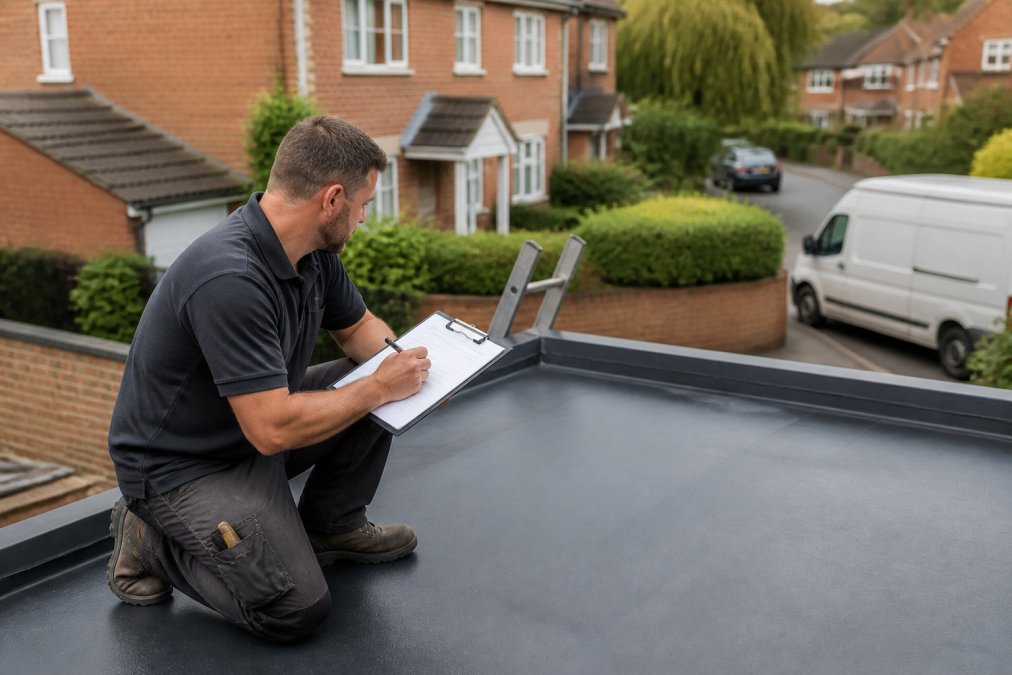
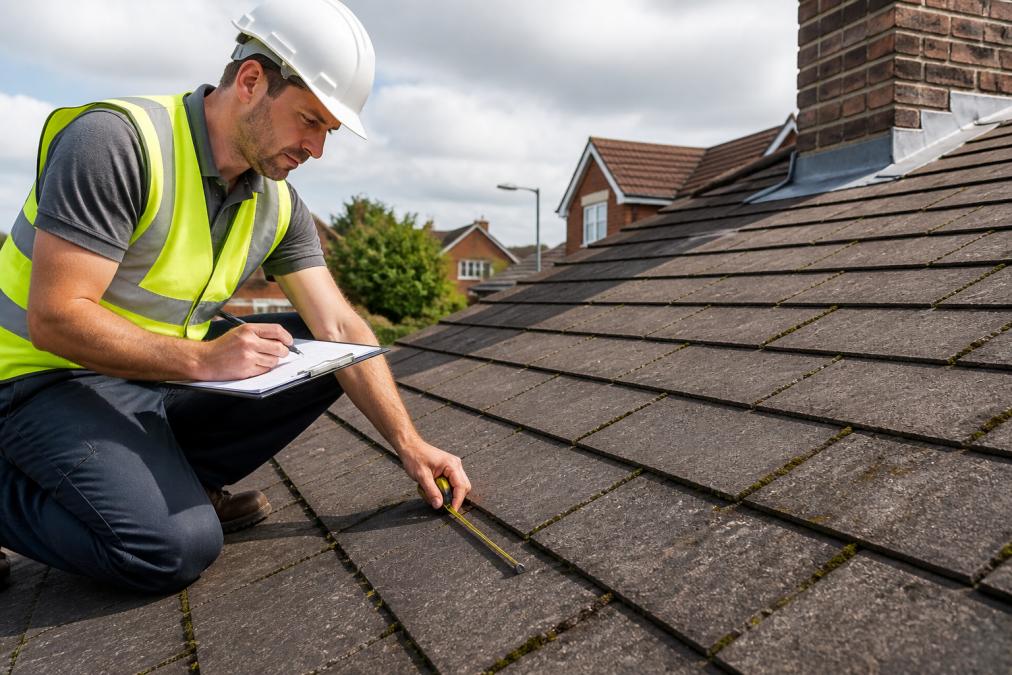
Local experts typically offer roof inspections and surveys to identify problems before they become expensive. This preventative approach catches leaks early, assesses structural integrity, and helps you plan maintenance before winter arrives.
Roofing Certification Requirements UK 2026
Roofing certification requirements UK 2026 have tightened around competency and insurance standards. Any roofer working on your property should hold relevant qualifications and be registered with building control where required.
Key certifications include NVQ Level 3 in Roofing (or equivalent), which demonstrates hands-on competency in pitched and flat roofing techniques. Many contractors also hold CSCS (Construction Skills Certification Scheme) cards, proving they've met health and safety standards on site. For flat roofing specifically, EPDM installation requires manufacturer training.
Building Regulations approval matters for major work (gov.uk). New roof installations, extensions with roofing, and certain repairs must comply with current Building Regulations. A reputable contractor will manage this compliance and provide certification once work is complete, protecting your property's value and ensuring the work meets structural and weatherproofing standards.
Insurance is non-negotiable. Public liability insurance protects you if someone is injured on your property. Employers' liability insurance covers the contractor's own team. Ask to see current certificates before work starts, not a photocopy, but proof that coverage is active.
Poor installation leads to premature leaks, inadequate ventilation causing condensation, and roofing materials that fail before their expected lifespan. Building Regulations compliance isn't bureaucracy, it's your protection.
How to Find Reliable Roofers in Your Area
Finding reliable roofers in your area requires checking three things: qualifications, local reputation, and how they handle communication before work starts.
Start with online reviews on platforms like Rated People and Google Reviews. Look for patterns in feedback; consistent praise for punctuality, cleanliness, and communication suggests a professional operation. Read reviews that mention specific details rather than vague praise.
Ask for references from recent projects. A contractor confident in their work will provide contact details for 2-3 homeowners who've had similar jobs completed in the last 12 months. Call these references and ask specific questions: Did the work finish on time? Were there any surprises or hidden costs? Would you hire them again?
Check whether they're registered with trade bodies. Membership in the Federation of Master Builders, NFRC (National Federation of Roofing Contractors), or similar organizations indicates they've met standards and have insurance backing.
Request quotes from at least three contractors. Compare not just price, but what's included: materials, labour, scaffolding, waste removal, and guarantees. The cheapest quote often cuts corners on material quality or labour time.
Pay attention to how they communicate before work starts. Professional contractors make the selection process transparent because they know the work speaks for itself once it's done.
Cost of Roof Replacement: What to Expect
The cost of roof replacement depends on several factors: roof size, pitch, material choice, and the condition of the underlying structure. Understanding what affects the quote helps you make informed decisions.
Pitched roofing replacement typically costs more than flat roofing because of the complexity and safety requirements. Slate and tile roofs are premium options that last 50+ years but carry higher upfront costs than asphalt shingles (peer-reviewed research on roofing materials). Flat roofing with EPDM rubber offers excellent value for extensions and garages because the material is durable, requires minimal maintenance, and installs quickly.
Structural repairs discovered during installation affect the final cost. If the surveyor finds rotten timber, missing ventilation, or damaged fascias, these must be addressed before the new roof goes on. A transparent contractor includes contingency in their quote and explains what triggers additional costs.
Labour makes up a significant portion of the cost. A two-person team working efficiently completes most residential roofing in 3-7 days depending on size and complexity. Quality contractors don't rush jobs to save money; rushing leads to poor seams, inadequate weatherproofing, and callbacks.
Material quality matters for longevity. Budget materials save money upfront but may need replacement in 15-20 years. Premium materials last 25-50 years and often come with longer guarantees. ARRC Ltd's 20-year guarantee on flat rubber roofs reflects the durability of their EPDM installations.
Don't assume the lowest quote is the best deal. A contractor quoting significantly below market rates may be using inferior materials or cutting corners on installation. Compare three quotes and choose the contractor who explains their work clearly and stands behind it with a solid guarantee.
Emergency Roof Repairs and Storm Damage
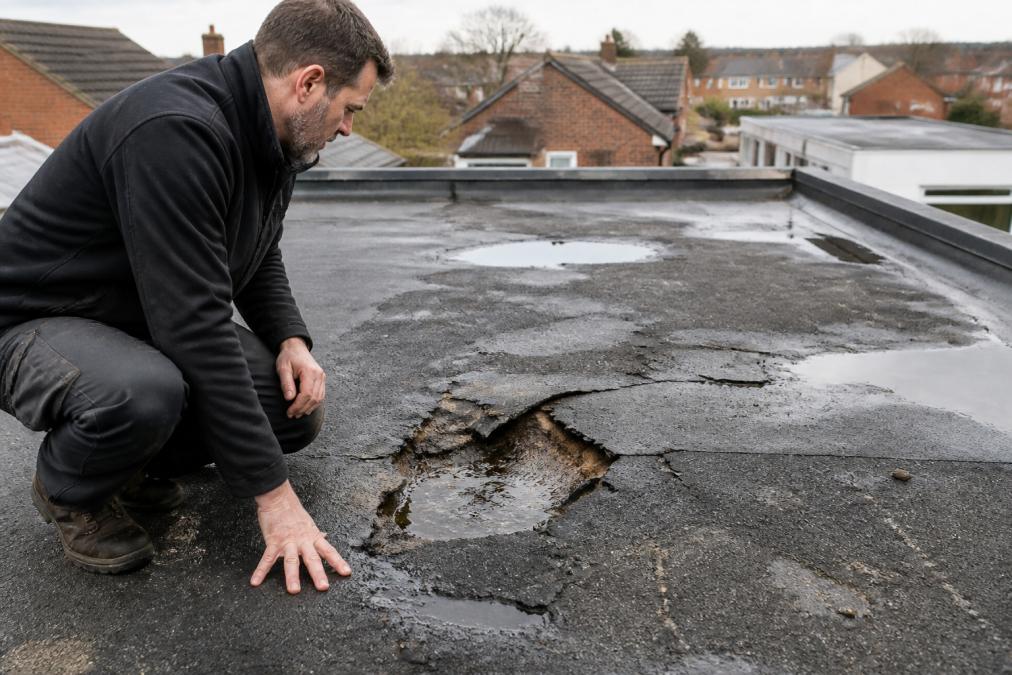
Emergency roof repairs become necessary after high winds, heavy snow, or severe weather damage your roof. The difference between a quick response and waiting weeks determines whether water enters your property and causes internal damage.
Pitched roofing can lose tiles or slates in strong winds, exposing the underlying structure to rain. Flat roofing punctures or seam separation also require urgent attention because water pools on flat surfaces rather than running off.
Storm damage assessment happens on-site. A qualified surveyor identifies all damage, assesses whether materials are salvageable, and recommends repair versus replacement. Insurance claims often require this professional assessment, so having documentation protects you if you file a claim.
Many contractors offer emergency call-out services with same-day response. A contractor who can assess damage and implement temporary protection the same day prevents cascading water damage inside your property.
Document all damage with photographs before anyone touches the roof. Take wide shots showing the overall damage and close-ups of specific problem areas. This documentation supports insurance claims and helps contractors understand the full extent of work needed.
Flat Roofing and EPDM Solutions
Flat roofing offers practical benefits for extensions, garages, and commercial properties where pitched roofs aren't feasible. EPDM rubber roofing has become the standard for flat surfaces because it's durable, flexible in temperature changes, and resists UV damage.
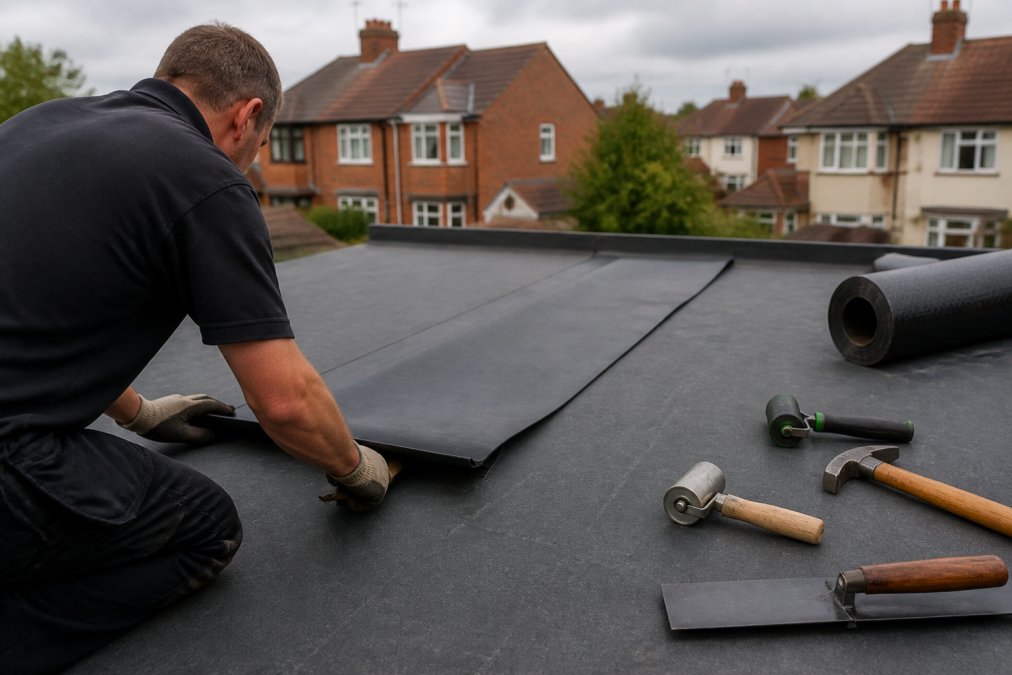
EPDM (ethylene propylene diene monomer) is a synthetic rubber membrane installed as a single continuous sheet. This design eliminates seams across the roof surface, reducing leak points. The material remains flexible in cold weather and doesn't crack as older asphalt alternatives do.
Installation requires precision. The membrane must be stretched and secured without wrinkles or folds that trap water. Seams where sections join must be sealed with specialized adhesive and tape. Flashing around penetrations (pipes, vents, skylights) must be detailed carefully to prevent leaks at these vulnerable points. This is why manufacturer-trained installers matter.
ARRC Ltd specializes in EPDM rubber roofing installations across residential garages and commercial units. Their team handles the complete installation, from assessing the existing structure to final waterproofing and flashing. The 20-year guarantee reflects confidence in both material quality and installation precision.
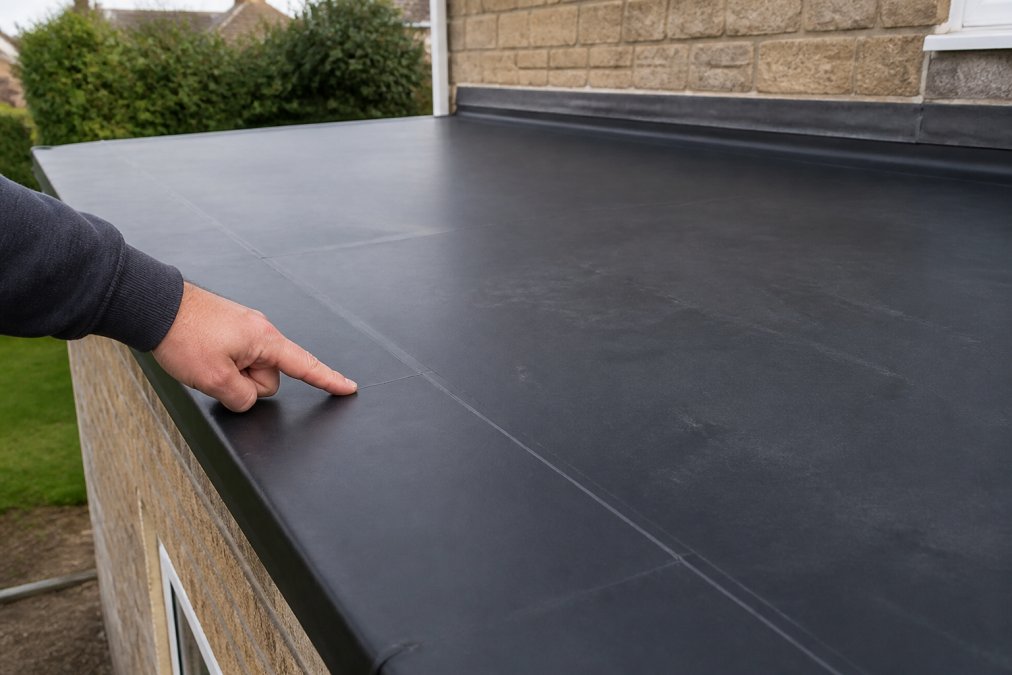
Maintenance for flat EPDM roofs is minimal compared to pitched alternatives. Annual inspections check for debris accumulation, ensure gutters drain properly, and confirm seals around penetrations remain intact.
Fascias, Soffits, Guttering and Skylights
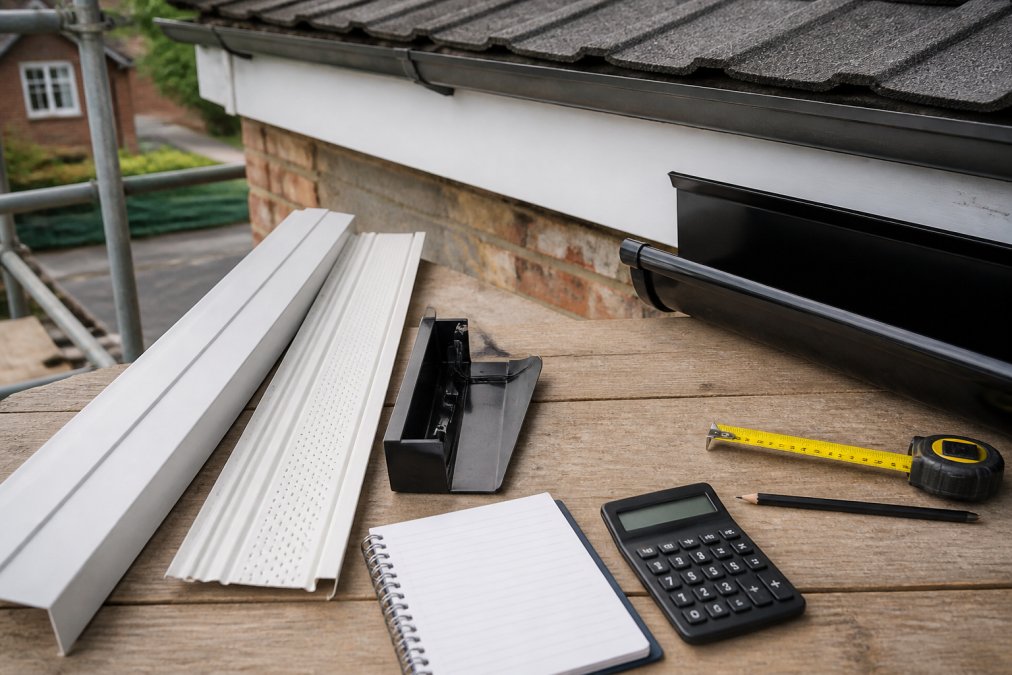
Fascias, soffits, and guttering form the complete roof edge system that protects your property from water damage. These components work together: guttering channels water, fascias support the gutter, and soffits provide ventilation and finish the underside of the roof overhang.
Fascias are the boards running horizontally along the roof edge, typically made from wood, uPVC, or aluminium. They support the guttering and provide a finished appearance to your roofline. Damaged fascias allow water to penetrate behind the gutter system and into the building structure.
Soffits are the underside panels of the roof overhang. Ventilated soffits allow air circulation that prevents condensation and rot in the roof structure. When replacing soffits, ensure the new installation includes proper ventilation.
Guttering must be sized appropriately for your roof area and local rainfall patterns. Undersized gutters overflow during heavy rain, allowing water to cascade down walls. Professional contractors calculate gutter size based on roof pitch and area.
Skylights add natural light but create potential leak points if installed incorrectly. Flashing around skylights must be detailed carefully, especially where they intersect with the roofing material. Professional installation includes proper flashing integration and sealant that lasts the life of the roof.
ARRC Ltd handles fascias, soffits, and guttering installation alongside roofing projects. Coordinating these services ensures consistent workmanship and eliminates the need to manage multiple contractors.
| Component | Function | Typical Material | Maintenance |
|---|---|---|---|
| Fascia | Supports guttering, finished edge | uPVC, wood, aluminium | Inspect annually, repaint wood as needed |
| Soffit | Roof underside, ventilation | uPVC, wood, aluminium | Ensure vents remain clear of debris |
| Guttering | Channels water away | Aluminium, uPVC, cast iron | Clear leaves quarterly, check for sagging |
| Skylight | Natural light penetration | Aluminium frame, glass | Check seals annually, clean glass regularly |
Why Local Roofing Contractors Matter
Local roofing contractors understand regional weather patterns, building styles, and the specific challenges your property faces. A contractor familiar with pitched slate roofing in your area knows how materials perform through freeze-thaw cycles and which installation details prevent the most common failures.
Response time is faster with local contractors. If an emergency repair is needed, a team operating nearby can arrive same-day rather than travelling from across the region.
Local reputation carries weight. A contractor operating in your area for years builds relationships with suppliers, other tradespeople, and homeowners. They're invested in maintaining their reputation because they see the same customers repeatedly and rely on referrals.
Building Regulations inspections are coordinated locally. Your local authority has specific requirements and preferred inspection procedures. A contractor familiar with your local authority's standards navigates approvals faster and ensures your work passes inspection first time.
ARRC Ltd operates as a family-run business across Staffordshire, Cheshire, and Stockport. Their 30+ years of local experience means they understand regional building styles, weather challenges, and Building Regulations requirements specific to these areas.
Warranty and guarantee support is easier with local contractors. If a problem emerges after installation, you contact a team that's still operating in your area and values their reputation.
Frequently Asked Questions
What roofing certifications should I look for in 2026?
Look for roofers who are Building Regulations compliant and insured. Verify they hold relevant certifications and check whether they specialise in your roof type, pitched, flat, EPDM, or slate, as different materials may require different qualifications. Ask for proof of current insurance and request references from recent projects.
How much does roof replacement cost?
Roof replacement costs depend on roof size, material type (pitched, flat, EPDM), complexity, and local labour rates. Flat roof replacements typically cost more than repairs but less than full pitched roof work. Request free quotes from multiple local roofing contractors to compare pricing. Always ask what the quote includes: materials, labour, scaffolding, disposal, and warranty coverage. Avoid unusually low quotes, they often indicate corner-cutting.
How can I tell if a roofer is reputable and qualified?
Check online reviews on Rated People and Google for consistent positive feedback. Verify relevant certifications and current public liability insurance. Ask for references from past clients and visit completed projects if possible. Reputable roofers provide detailed written quotes, explain their work clearly, and offer warranties. Avoid cash-only traders or those reluctant to provide credentials. A business with 30+ years' experience and strong local reputation is typically more reliable.
Do I need planning permission for roof repairs or replacement?
Most roof repairs do not require planning permission. However, replacing a roof with a different material or significantly changing its appearance may need approval. Flat-to-pitched conversions or major alterations typically require planning permission and Building Regulations approval. Contact your local authority before starting work. Building Regulations approval is mandatory for all roof replacements and new installations, your contractor should arrange this as part of their service.
What should a 20-year roofing guarantee actually cover?
A comprehensive 20-year guarantee should cover material defects, workmanship failures, and seam separation under normal conditions. Check whether it covers weatherproofing, water ingress, and UV degradation. Guarantees typically exclude damage from extreme weather, lack of maintenance, or alterations by others. Confirm the guarantee is transferable if you sell the property, and get terms in writing. Ask whether pooling water or seam issues are covered, this matters if previous roofs have failed similarly.
Finding the right roofing contractor requires balancing price, qualifications, and local reputation. ARRC Ltd combines 30+ years of experience with a 20-year guarantee on flat rubber roofs, offering the durability and professional installation that protects your property long-term. Get a quote today and understand exactly what's included in your roofing project.
This article was written using GrandRanker