 listicle
Roofing Contractors: Reviews & How to Choose
Table of Contents
- What Makes a Trustworthy Roofing Contractor
- Verified Customer Reviews: What to Look For
- Questions to Ask a Roofing Contractor Before Hiring
- Roofing Certification Requirements in 2026
- Average Cost of Roof Repair and When to Get Multiple Quotes
- Service Quality and Guarantees: What You Should Expect
- Roofing Contractors for Different Project Types
- Conclusion
Last Updated: August 24, 2026
What Makes a Trustworthy Roofing Contractor
A trustworthy roofing contractor combines verified credentials, transparent communication, and a track record backed by guarantees. The difference between a reliable roofer and one who disappears after the job comes down to insurance and certification status, customer feedback from actual projects, and willingness to put workmanship in writing.
Most homeowners choose based on price alone, leading to callbacks, returning leaks, and disputes about promises. Contractors worth hiring spend time understanding your specific problem, explain their solution clearly, and stand behind their work with a written guarantee.
ARRC Ltd exemplifies this approach. With over 30 years delivering flat roofing and EPDM rubber roofing solutions, they've built a reputation on transparent communication and durable installations. Their 20-year guarantee on flat rubber roofs reflects confidence in workmanship.
When evaluating any roofing contractor, look for: detailed questions about your roof's history, written quotes itemising materials and labour separately, public liability insurance and building control registration, and a formal guarantee covering both materials and workmanship.
Verified Customer Reviews: What to Look For
Customer reviews reveal patterns that single conversations cannot. Focus on specificity: reviews mentioning exact problems solved ("fixed the pooling water issue on my flat roof") and timelines ("completed in two days") are far more reliable than vague praise.
The best reviews address three elements: quality of completed work, how the contractor handled unexpected issues, and whether they communicated clearly throughout. A five-star review saying "great job" tells you almost nothing. A review explaining that a roofer discovered additional damage, explained options, and completed extra work without surprise charges tells you how they handle real-world complexity.

Look for patterns across multiple reviews rather than relying on any single testimonial. If three customers mention punctuality and cleanliness, that's a genuine signal. If reviews consistently mention poor communication or follow-up issues, that's a warning regardless of five-star ratings.
ARRC Ltd's customer feedback consistently highlights reliability and technical knowledge. John from Rated People noted they proved "the most courteous, polite, efficient, and above all reliable contractors." Matthew from Google Reviews praised their communication: "ARRC communication and knowledge was excellent." Sara mentioned that "Michael and his team did a really great job with my new flat roof," while Rob emphasized that "Michael's knowledge was second to none."
When reading reviews, be cautious of promotional or overly polished feedback. Genuine customer feedback often includes minor complaints alongside praise. Reviews mentioning specific trade-offs tend to be more credible than reviews claiming perfection.
Questions to Ask a Roofing Contractor Before Hiring
Start by asking about their experience with your exact project type: flat roof repair, EPDM rubber roofing, fascia and soffit installation, or skylight work. A contractor experienced with pitched tiled roofing may lack expertise in flat roofing systems, which have entirely different failure modes.
Ask directly about building control certification and whether they'll handle the inspection process themselves. This reveals whether they're accustomed to working within regulatory requirements. Hesitation about building control requirements is a red flag.
Request their insurance details and ask to verify public liability coverage. A legitimate contractor carries this as standard; hesitation is a serious warning. Ask how long they've been trading and request contact details for three recent customers with similar projects. Confident contractors provide these willingly.
Ask what happens if problems emerge after completion. A contractor offering a genuine guarantee will explain exactly what it covers: materials, workmanship, weather-related issues, pooling water, or seam separation. The guarantee terms matter far more than duration. A 20-year guarantee covering only manufacturing defects is less valuable than a 10-year guarantee covering installation quality.
Discuss the timeline clearly. Ask how long installation will take, when they can start, and whether they'll protect your property during work. Ask about cleanup and debris removal. These practical questions reveal professionalism.
Finally, ask why their quote differs from others. A significantly higher price should come with clear explanation: premium materials, superior workmanship, additional services, or longer guarantee. A significantly lower price warrants equal scrutiny.
Roofing Certification Requirements in 2026
All roofing installations must comply with Building Regulations Part L (Conservation of Fuel and Power), which sets standards for thermal performance and weather protection. Contractors should be familiar with these requirements and factor them into design and material choices.
For flat roofing specifically, contractors should understand BS 6229:2018, the British Standard for flat roofs with continuously supported coverings. This standard governs substrate preparation to ventilation requirements. A contractor citing this standard demonstrates they're working to recognised best practice.
Building control sign-off is mandatory for most roofing work, involving initial inspection before work begins, inspection during installation, and final inspection upon completion (gov.uk). The contractor should either handle this coordination themselves or clearly explain how you'll arrange it. Skipping building control approval can affect future insurance claims or property sales.
ARRC Ltd operates within these regulatory requirements as standard. With over 30 years of experience, they've navigated the evolution of building standards.
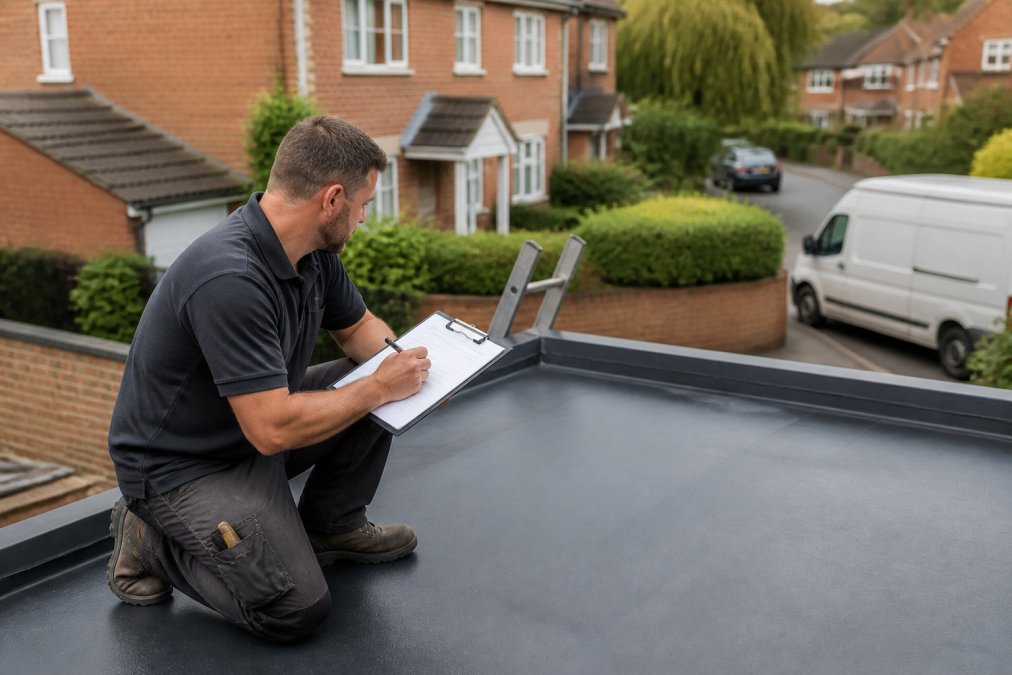
Ask any contractor whether they're registered with a recognised competent person scheme. This demonstrates they've met specific training and competency standards. If not registered, ask why; some smaller contractors operate legitimately without formal registration but should explain their quality assurance processes clearly. verifying contractor craftsmanship.
Average Cost of Roof Repair and When to Get Multiple Quotes
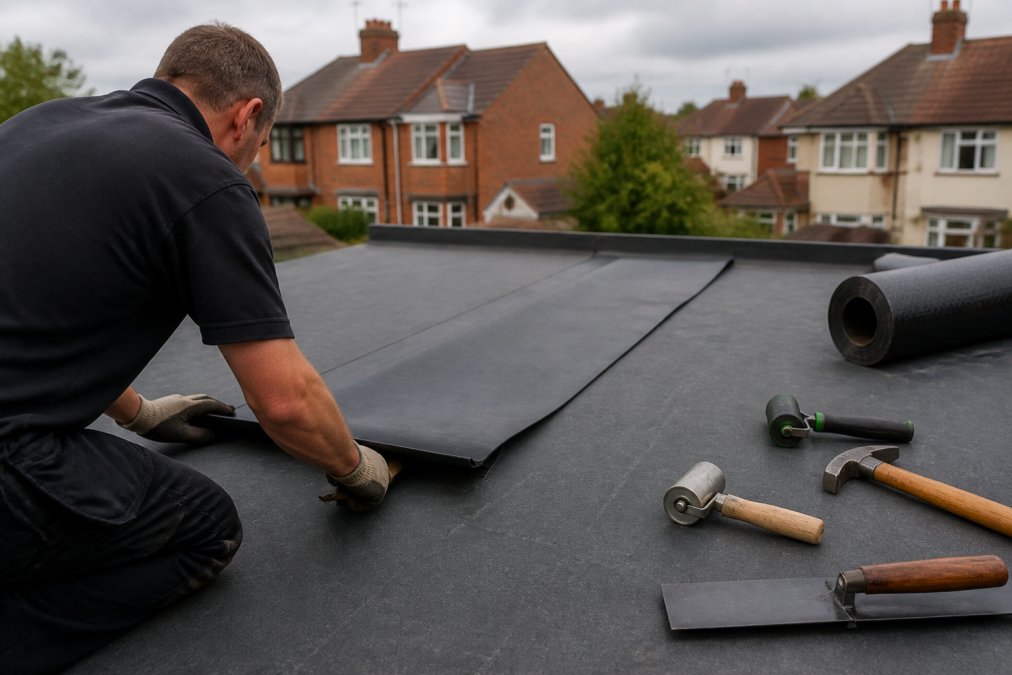
Roofing costs vary dramatically based on roof size, material choice, complexity, and whether additional structural work is needed. EPDM rubber roofing typically costs more upfront than some alternatives but delivers superior longevity.
Obtain at least three quotes from established contractors. This comparison reveals whether a quote is realistic or inflated and gives you leverage in negotiation.
When comparing quotes, ensure they cover the same scope. One quote may include removal and disposal of old materials; another may assume you're handling that separately. One may specify premium materials; another may use budget alternatives. A quote listing only a total figure without itemisation is incomplete.
Request written quotes specifying materials, timeline, guarantee coverage, and payment terms. Avoid contractors demanding full payment upfront. Standard practice involves a deposit to secure booking, payment upon completion, and sometimes staged payments for longer projects.
Ask whether the quote includes disposal of old roofing materials. Transparent contractors include this in their initial quote rather than charging extra once work begins.
Service Quality and Guarantees: What You Should Expect
Service quality encompasses everything from initial consultation through years after installation. A contractor offering genuine service quality responds promptly to enquiries, explains their process clearly, and handles unexpected issues professionally.
The guarantee is where service quality becomes contractual. A written guarantee should specify what's covered: manufacturing defects, installation quality, weather protection, seam integrity, or pooling water issues. It should state duration clearly and explain what you must do to maintain coverage.
ARRC Ltd's 20-year guarantee on flat rubber roofs reflects confidence in both materials and installation technique.
Ask whether the guarantee is transferable if you sell the property. Transferable guarantees are more valuable because they make the property more attractive to buyers.
Understand what happens if a problem emerges during the guarantee period. Will the contractor return to fix it at no charge? Will they cover materials only, or labour as well? Will they cover damage caused by extreme weather, or only manufacturing defects?
Request references from customers who've needed warranty work. Did the contractor respond quickly? Did they fix the problem properly the first time? A contractor's behaviour when something goes wrong reveals more about their character than their behaviour during the initial sale.
Roofing Contractors for Different Project Types
Residential flat roof replacement and commercial warehouse roofing require different expertise, materials, and timescales. A contractor experienced in pitched tiled roofing may have limited experience with flat systems.
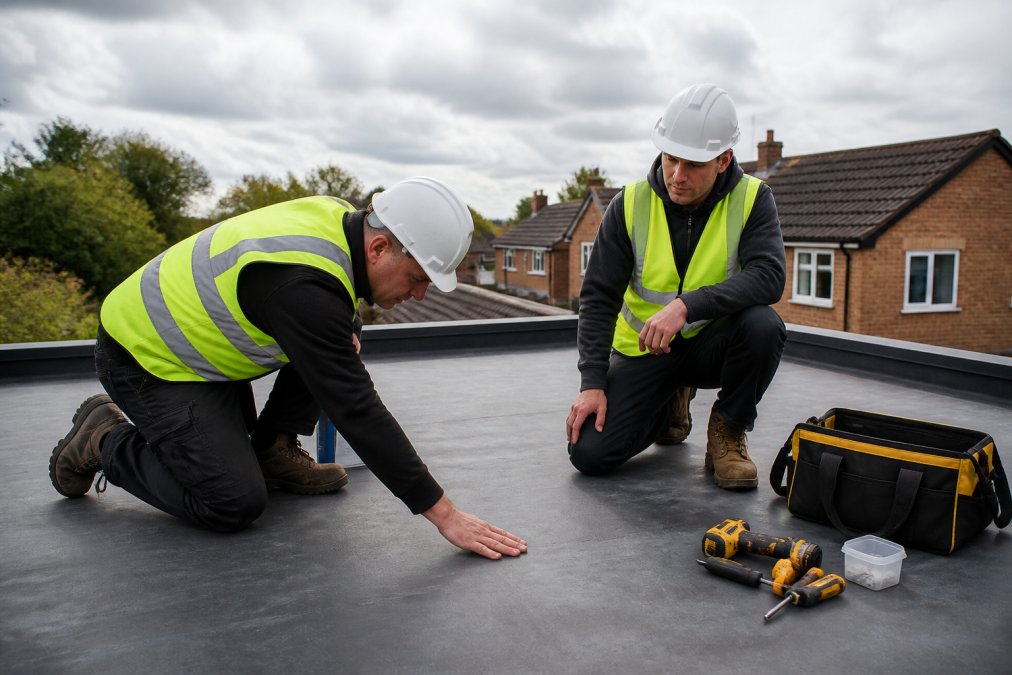
For garage roof replacement, you need a contractor comfortable with smaller projects. ARRC Ltd handles garage roof replacements routinely, refining the process for these smaller but important jobs. Their experience across residential and commercial work means they bring professional standards to every project size.
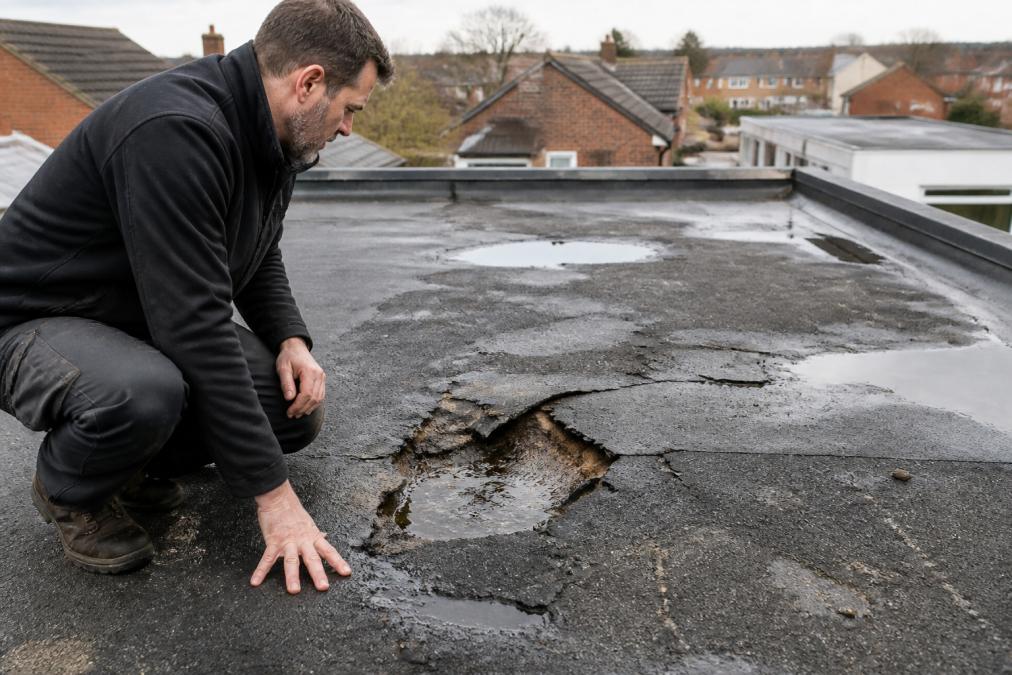
For flat roof repairs addressing pooling water or seam separation, look for contractors with specific expertise in your roof's material. EPDM rubber roofing requires different repair techniques than felt or asphalt systems.
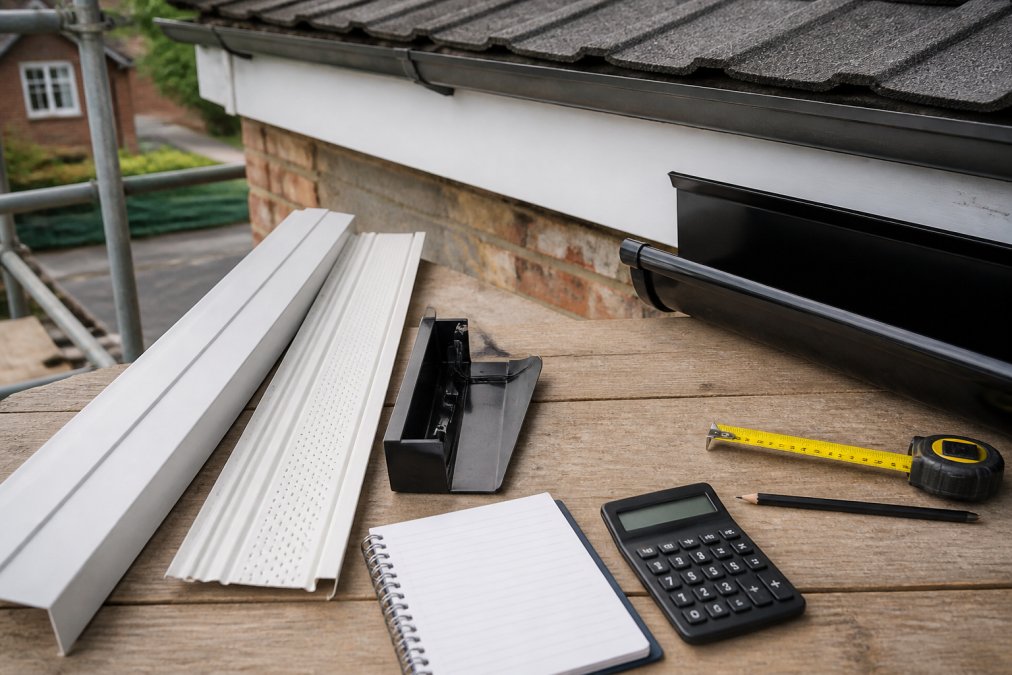
For fascia, soffit, and guttering work, some contractors bundle these with roofing; others specialise separately. Bundling makes sense for full roof replacement; one contractor manages the entire project. For fascia-only work, a specialist may be more efficient.
For skylight installation, ask whether the contractor has experience with your specific skylight type. Installation quality determines whether the skylight leaks during heavy rain. A contractor installing dozens yearly understands the nuances; one doing it occasionally may not.
For commercial properties requiring durable, low-maintenance roofing, contractors must understand energy efficiency requirements, building regulations for commercial structures, and specific demands of warehouse or factory environments. ARRC Ltd's commercial experience across Staffordshire, Cheshire, and Stockport means they understand these requirements and deliver solutions balancing durability with cost-effectiveness.
When selecting a contractor for your specific project type, ask how many similar projects they've completed in the past year.
Choosing a roofing contractor is fundamentally about reducing risk. You're inviting someone onto your property to perform skilled work that will protect your home or business for years. Contractors worth hiring communicate clearly about what they'll do, stand behind their work with written guarantees, and respond promptly when issues arise.
ARRC Ltd brings 30 years of experience and a 20-year guarantee to every project. Their consistent customer feedback emphasises reliability, technical knowledge, and professional communication. Whether you need a garage roof replacement, flat roof repair, or fascia and soffit installation, they understand specific requirements of work across the region.
Get a quote from ARRC Ltd and compare it against other established contractors. The comparison process itself, seeing how clearly contractors explain their approach, what guarantees they offer, and how they respond to your questions, will guide you toward the right choice for your specific situation.
Frequently Asked Questions
Q: How do I verify that a roofing contractor is certified and insured?
A: Ask for proof of public liability insurance and employer's liability insurance if they employ staff. Request their trading credentials and check they are registered with a recognised body. Verify their building control registration with your local authority, this confirms they meet current building regulations. A legitimate contractor will provide these documents without hesitation.
Q: What should I look for in roofing contractor reviews?
A: Look for specific feedback about workmanship, communication, and timeliness rather than generic praise. Verified reviews from platforms like Rated People or Google carry more weight than unverified testimonials. Check whether customers mention how the contractor handled problems or unexpected issues, this shows reliability. Pay attention to reviews mentioning the guarantee provided and whether the contractor honoured it. Red flags include vague complaints, multiple mentions of delays, or unresolved disputes.
Q: What questions should I ask before hiring a roofing contractor?
A: Ask about their experience with your specific roof type (flat, pitched, tiled, etc.), the materials they recommend and why, how long the project will take, and what warranty or guarantee they provide. Request a detailed written quote breaking down labour and materials. Ask about their insurance and certifications, whether they handle building control notification, and what happens if problems arise after completion. Clarify whether they can handle related work like fascias, soffits, or guttering, or if you'll need separate contractors.
Q: Why do roofing quotes vary so much between contractors?
A: Quotes differ based on material quality, labour rates, project complexity, and contractor experience. Some contractors use premium materials with longer guarantees, which costs more upfront but lasts longer. Access difficulty, roof condition assessment, and whether building control approval is needed also affect price. A significantly cheaper quote may indicate lower-quality materials or less experienced workmanship. Always compare what's included in each quote, labour, materials, scaffolding, disposal, and guarantee, rather than price alone.
This article was written using GrandRanker