 how-to
How to Stop Roof Pooling: A Step-by-Step Guide
Table of Contents
- What Causes Roof Pooling and Why It Matters
- Inspect Your Roof for Pooling Water and Structural Issues
- Clear Blocked Drains and Gutters to Restore Drainage
- How to Fix Low Spots on a Flat Roof
- Flat Roof Maintenance Checklist to Prevent Future Pooling
- Cost of Flat Roof Repair vs. Replacement: When to Call a Professional
- Frequently Asked Questions
Last Updated: August 31, 2026
What Causes Roof Pooling and Why It Matters
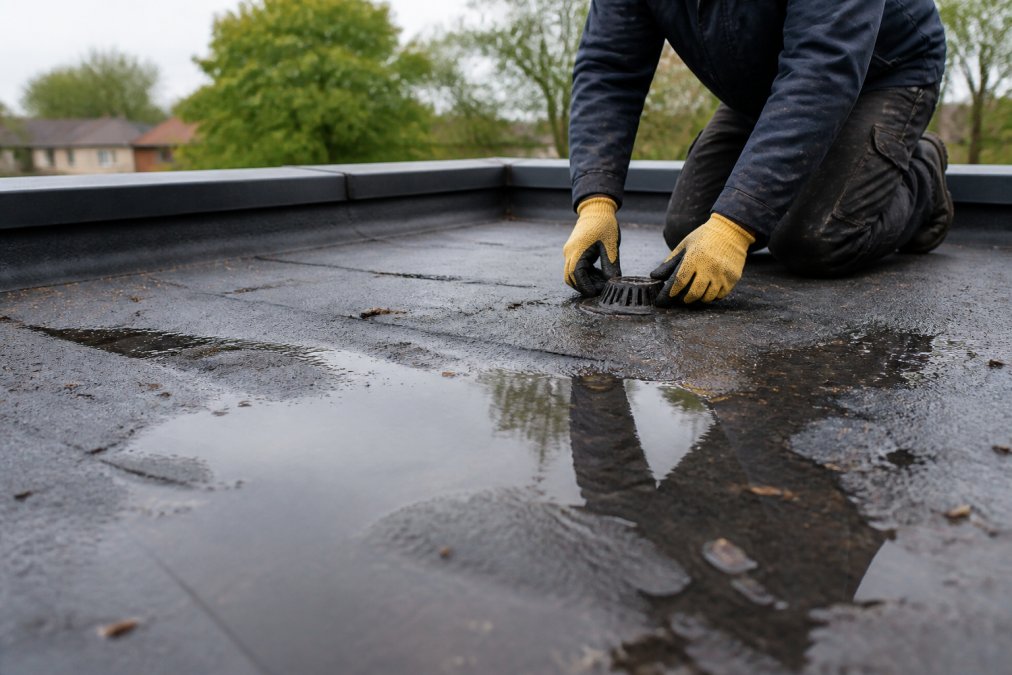
Roof pooling occurs when water collects and sits on a flat roof surface instead of draining away, creating standing water that can persist for days or weeks after rainfall. This happens because flat roofs lack the steep pitch of pitched roofs, so water naturally collects in low spots and depressions rather than running off quickly. Understanding how to stop roof pooling is essential for protecting your property from serious structural damage.
The problem starts small but escalates fast. Standing water adds weight to your roof structure, puts pressure on the roof membrane, and creates the perfect environment for algae and mould growth (Public Health England guidance on mould). More critically, pooling water seeps through tiny cracks and seams in the waterproofing layer, leading to leaks inside your property. What began as a cosmetic issue becomes a costly repair when water damage reaches the interior.
Flat roofs are particularly vulnerable because their design relies entirely on proper drainage systems to shed water. When gutters clog, downspouts block, or the roof surface develops low spots, water has nowhere to go. ARRC Ltd has spent over 30 years working with flat roofs across residential and commercial properties, and we've seen how quickly pooling water transforms a minor maintenance issue into a structural emergency.
The causes of roof pooling fall into three main categories: blocked drainage systems, structural deflection (where the roof surface sags under weight or thermal stress), and poor roof design where the falls or pitch are insufficient to move water toward drains. Each requires a different approach, which is why diagnosing the root cause before attempting a fix is critical.
Inspect Your Roof for Pooling Water and Structural Issues
Before you attempt any repairs, you need to understand what you're dealing with. A proper inspection tells you whether you're handling a simple drainage blockage or a deeper structural problem that requires professional intervention.
Safety protocols for DIY roof inspection
Accessing a flat roof safely is your first priority. Never attempt a roof inspection in wet conditions, high winds, or poor visibility. Wear non-slip footwear with good grip, and consider using a safety harness if your roof is higher than single-storey level. Always adhere to general workplace safety guidelines and consider consulting the Health and Safety Executive (HSE) for guidance on working at height.
Check your insurance and building regulations before going onto the roof. Some policies require professional inspection, and some properties have restrictions on DIY roof access. If you're uncertain, contact a qualified surveyor. A single inspection fee is far cheaper than an injury claim or invalidated insurance.
Start your inspection from a safe vantage point, often the ground or a stable ladder position. Look for visible pooling water, discolouration on the membrane where water sits regularly, and debris accumulation. Take photographs from multiple angles; these will help you communicate the problem to a professional if needed.
Inspect for structural issues carefully. Press gently on the roof surface in several locations to feel for soft spots or unusual give. These indicate deflection, where the roof structure has sagged or lost rigidity. Mark these areas mentally or photograph them. Deflection requires structural assessment and is not a DIY fix.
Check the condition of the roof membrane itself. Look for blistering, cracking, peeling seams, or areas where the material appears worn or discoloured. EPDM rubber roofing, which ARRC Ltd specialises in, should appear uniformly dark and flexible. Cracks, splits, or hardened areas indicate the membrane is failing and water penetration is likely already occurring.
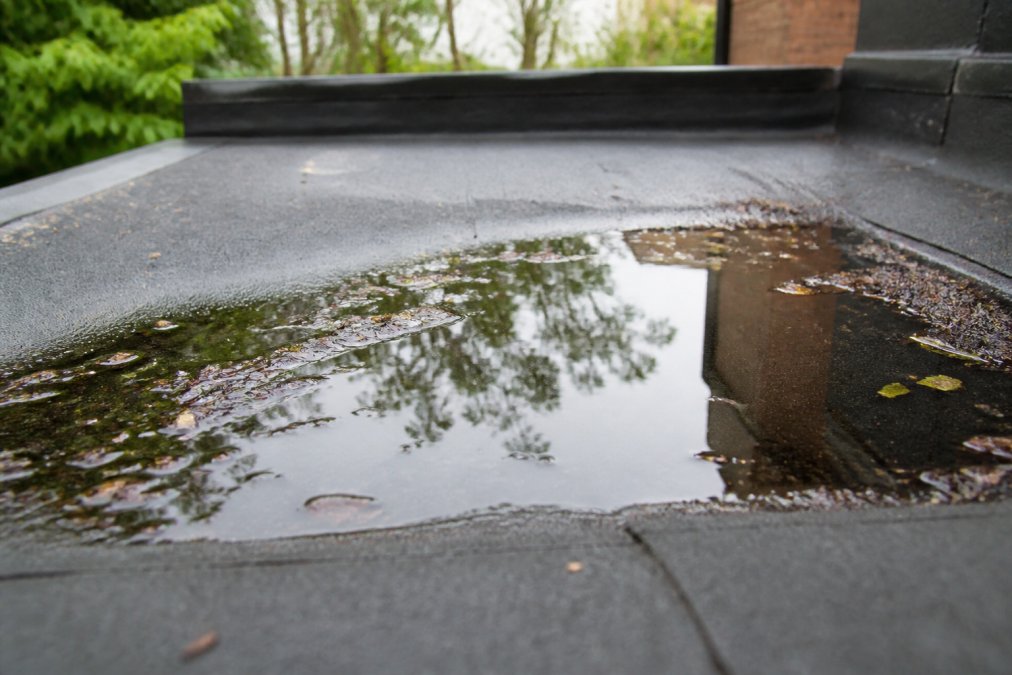
Document everything you find. Write down the location of pooling water, note any visible damage to the membrane, and photograph areas of concern. This record becomes invaluable if you need to explain the problem to a surveyor or roofer later.
Clear Blocked Drains and Gutters to Restore Drainage
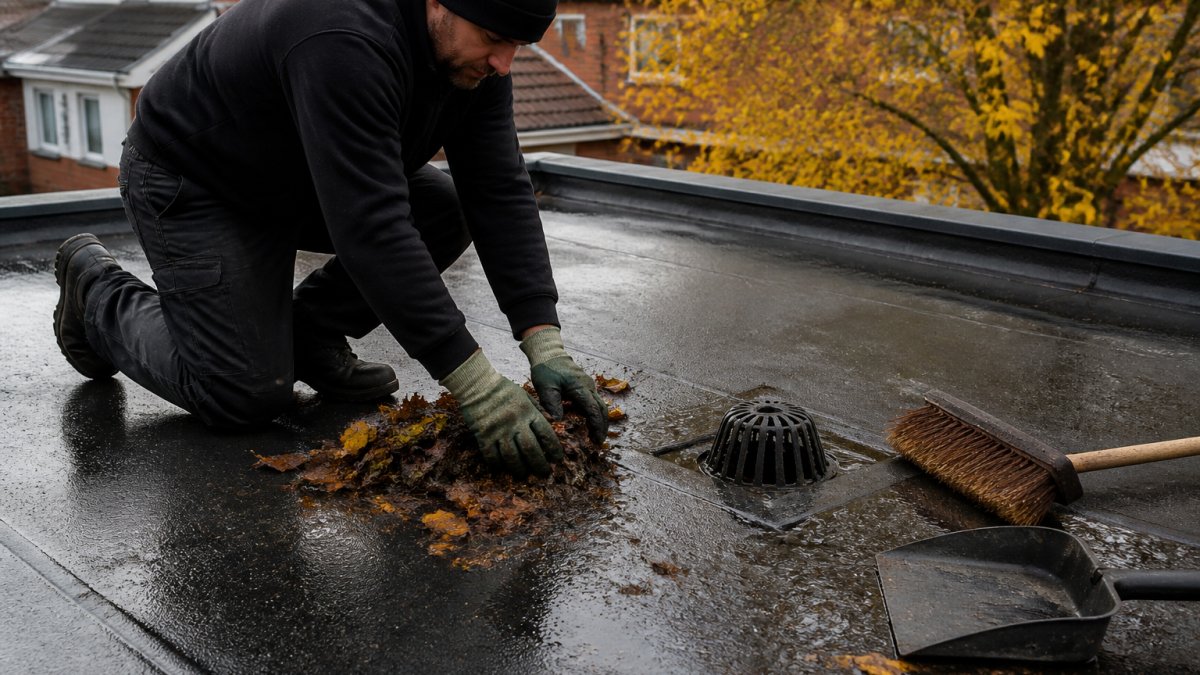
Most roof pooling problems start with blocked drainage. When gutters, downspouts, and internal roof drains fill with leaves, moss, silt, and debris, water cannot flow away, it sits on the roof surface instead. Clearing these blockages is often the quickest fix and should be your first action.
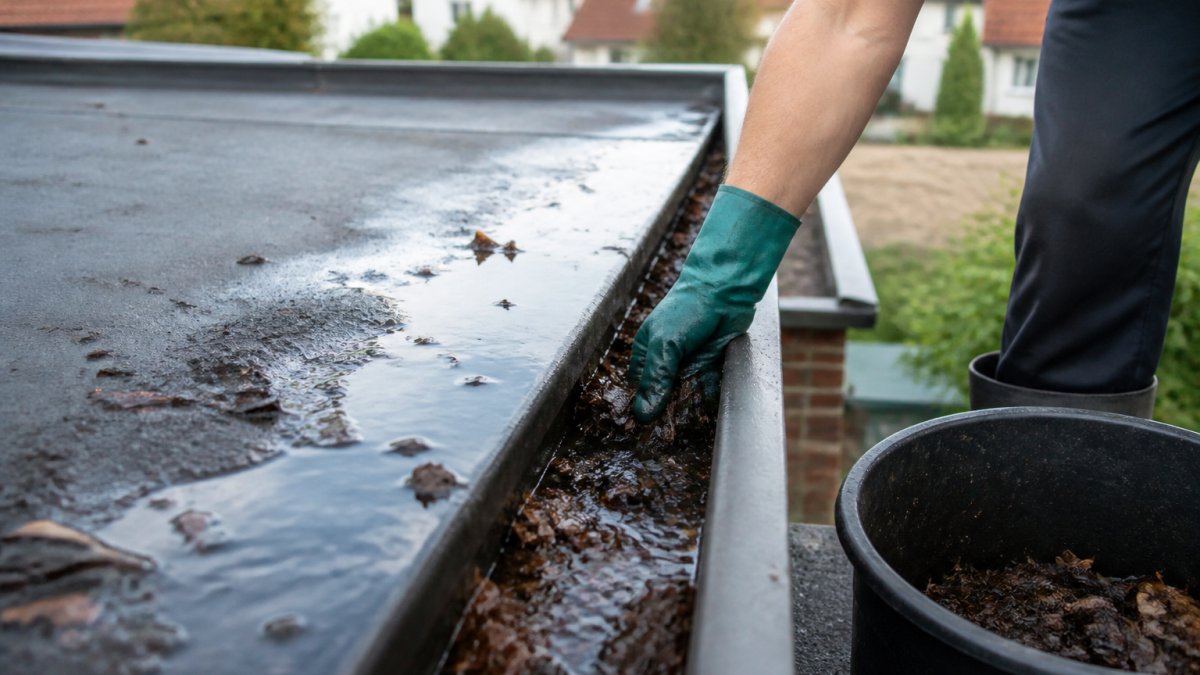
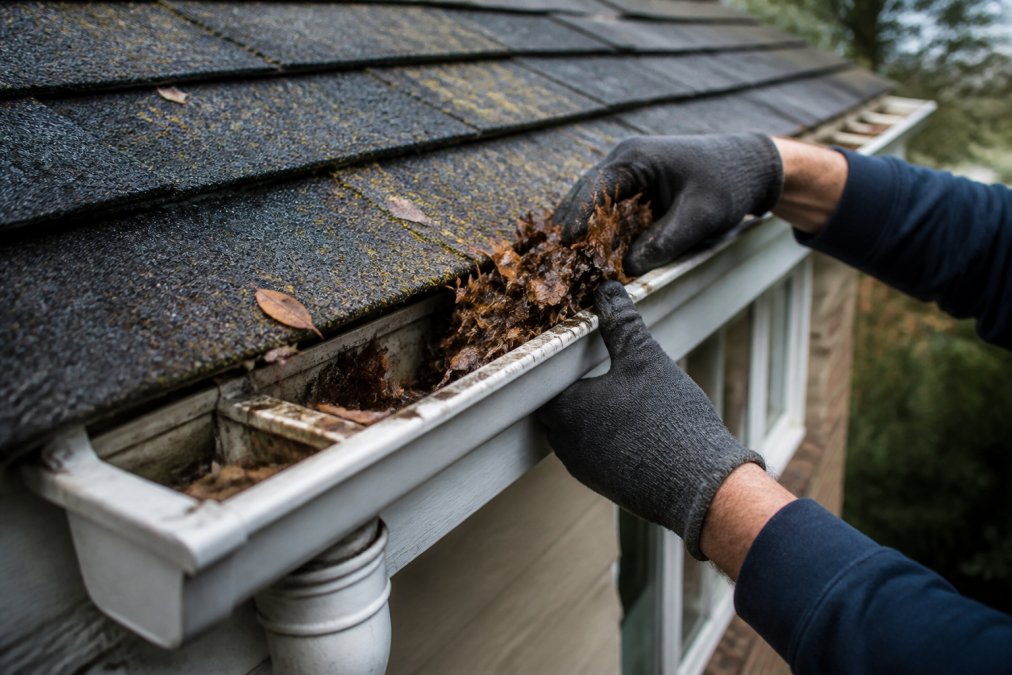
Start at the gutters. Use a gutter scoop or small shovel to remove loose debris by hand. Work systematically along the full length of the gutter, pushing accumulated material toward a downspout or collection point. Wear gloves and dispose of debris safely, never push it onto the roof or into the drainage system where it will cause further blockages.
Once you've removed the bulk of loose material, flush the gutters with a hosepipe. Run water along the full length and watch where it flows. Water should move smoothly toward downspouts without pooling anywhere along the gutter line. If water pools in certain gutter sections, this indicates the gutter itself has sagged or lost its fall (slope). Note these areas, they may need professional realignment.
Check each downspout next. Look from the ground to see if water is flowing freely from the outlet. If nothing emerges when water should be flowing, the downspout is blocked. Use a plumbing snake or high-pressure water jet to clear it. If you're using a water jet, start gently to avoid damaging the downspout joints.
Internal roof drains require more care. These are usually found in the middle or low points of flat roofs and connect to underground drainage pipes. If your roof has internal drains and water pools near them, the drain itself is likely blocked. Do not attempt to force objects down an internal drain, you risk damaging the pipe or pushing the blockage deeper. Instead, pour water down the drain slowly and listen for gurgling sounds that indicate flow. If water backs up instead of draining, stop and call a professional.
After clearing blockages, test the drainage system by running a hosepipe over the roof surface. Watch how water flows toward gutters and drains. It should move deliberately toward drainage points without pooling anywhere. If water still collects in certain areas after you've cleared all blockages, the problem is structural, low spots or deflection in the roof surface itself.
How to Fix Low Spots on a Flat Roof
Low spots are depressions in the roof surface where water naturally collects because the roof structure or membrane has sagged or settled. These are different from blockage issues because clearing drains won't help, water still pools because of the shape of the roof itself.
Minor low spots (where water sits but drains within 24 hours of rainfall) can sometimes be managed with improved maintenance and regular debris removal. However, persistent pooling water in the same location indicates a structural issue that will worsen over time.
For small, isolated low spots, a temporary solution involves building up the area using tapered insulation or roof-levelling compound. These materials raise the roof surface gradually so water flows away instead of pooling. This is a short-term fix that typically lasts 2-5 years before the problem returns. It's a practical option if you're planning a full roof replacement within that timeframe.
More significant deflection, where the roof sags noticeably or water pools across a large area, requires structural assessment. The underlying cause might be inadequate roof support, deterioration of the sub-structure, or excessive load on the roof. These issues cannot be safely addressed with surface treatments. A qualified surveyor must evaluate the structural integrity before any repair work begins.
The most reliable permanent solution for low spots is roof replacement. Modern flat roofing systems, particularly EPDM rubber roofing, can be installed with proper falls built into the design. This ensures water flows toward drainage points rather than pooling anywhere on the surface. ARRC Ltd designs every flat roof installation with adequate falls to prevent pooling, backed by a 20-year guarantee on the membrane.
Flat Roof Maintenance Checklist to Prevent Future Pooling
Preventing roof pooling is far easier than repairing water damage after it occurs. A structured maintenance routine catches problems early and keeps your drainage systems functioning effectively.
| Maintenance Task | Frequency | Why It Matters |
|---|---|---|
| Clear gutters and downspouts of debris | Quarterly (spring, summer, autumn, winter) | Blocked drains cause immediate pooling |
| Inspect roof surface for damage or sagging | Twice yearly (spring and autumn) | Early detection prevents water ingress |
| Check for moss or algae growth on membrane | Annually (spring) | Growth can damage EPDM and trap moisture |
| Flush roof drains with water to test flow | After heavy rainfall | Confirms drainage systems are working |
| Remove leaves and debris from roof surface | After storms or seasonal leaf fall | Prevents drain blockages and membrane damage |
| Inspect seams and membrane edges for cracks | Annually (autumn) | Small cracks expand and cause leaks |
| Test gutters for sagging or misalignment | Annually (spring) | Sagging gutters prevent water flow |
Quarterly gutter cleaning is non-negotiable. This single task prevents the majority of roof pooling problems. Set calendar reminders for March, June, September, and December to ensure you don't miss a season.
After heavy rainfall, walk around the roof perimeter and check whether water is flowing from downspouts. If downspouts are dry when they should be flowing, you have a blockage. Clear it immediately before the next rainfall adds more water to the roof.
Inspect the roof membrane twice yearly for visible damage. Look for blistering, cracks, or areas where seams are separating. EPDM rubber roofing is durable, but thermal movement (expansion and contraction with temperature changes) can stress seams over time. Catching small issues early prevents them from becoming major leaks.
Watch for moss or algae growth, particularly in shaded areas or where water sits. These organisms trap moisture against the membrane and can accelerate degradation. If growth appears, clean it gently with a soft brush and mild detergent. Do not use high-pressure washing, which can damage the membrane.
Cost of Flat Roof Repair vs. Replacement: When to Call a Professional
Understanding when a repair is sufficient and when replacement is necessary saves money and prevents repeated problems. The decision depends on the age of your roof, the extent of damage, and the underlying cause of pooling.
Minor repairs, clearing drains, patching small membrane damage, or building up isolated low spots, typically cost less than a full replacement and can extend your roof's life by several years. These are appropriate when the roof is relatively young (under 15 years old) and damage is localised.
Widespread pooling caused by significant deflection, extensive membrane damage, or multiple failing seams usually signals that replacement is the better investment. A roof that requires repeated repairs every year or two will eventually cost more in cumulative repairs than a single replacement would. Additionally, an aging roof with persistent problems poses ongoing risk of water damage to your property.
Professional assessment is essential for this decision. A qualified surveyor or roofer can evaluate the structural condition, estimate the remaining lifespan, and recommend whether repair or replacement makes financial sense. Many professionals offer free or low-cost surveys specifically to help you make this decision.
If your roof is over 20 years old, replacement is almost always the right choice. Older roofing materials degrade, seams fail, and structural issues develop. A new roof comes with a guarantee (ARRC Ltd provides 20 years on EPDM rubber roofing) and eliminates the risk of ongoing problems.
Consider energy efficiency when evaluating replacement. Modern flat roofing systems can include insulation that improves thermal performance, reducing heating and cooling costs. Over the lifespan of a new roof, this energy saving can offset a significant portion of the installation cost.
When you're ready to move forward, get quotes from multiple qualified roofers. Compare not just price but also materials, guarantees, and the roofer's experience with your specific roof type. ARRC Ltd specialises in EPDM rubber roofing for flat roofs and can assess whether your current roof can be repaired or needs replacement.
Roof pooling rarely fixes itself. Standing water damages roofing materials, causes leaks inside your property, and signals underlying structural problems that worsen over time. The steps in this guide, inspecting safely, clearing blockages, addressing low spots, and maintaining your system, address most pooling issues before they become expensive problems.
When pooling persists despite your efforts, or when you identify structural deflection or membrane damage, professional help is necessary. ARRC Ltd has resolved complex roofing problems for residential and commercial properties across the region for over 30 years. We specialise in EPDM rubber roofing solutions that eliminate pooling through proper design and installation, backed by a 20-year guarantee. Get a Quote to discuss your flat roof concerns with our experienced team.
Frequently Asked Questions
What causes ponding on a flat roof?
Roof pooling occurs when standing water collects on flat roof surfaces due to poor drainage, low spots in the roof structure, blocked gutters or downspouts, and roof deflection from age or structural settlement. Tapered insulation that hasn't been installed correctly, debris buildup, and inadequate roof fall (the slope needed for water runoff) are common culprits. Standing water adds weight to your roof, accelerates waterproofing membrane deterioration, and can lead to moisture ingress and structural damage if left unaddressed.
How do I prevent water from pooling on my flat roof?
Prevent roof pooling by maintaining clear gutters and downspouts, ensuring adequate roof drainage capacity, and installing proper roof fall during construction or repair. Regular inspections catch low spots early, and debris removal prevents drain blockages. If your roof has existing deflection or low spots, tapered insulation or roof levelling can restore proper drainage. A well-maintained roof membrane and sealed seams also reduce moisture ingress risk. Annual maintenance is the most cost-effective way to stop pooling before it causes damage.
Does EPDM rubber roofing prevent water pooling?
EPDM rubber roofing itself doesn't prevent pooling, proper roof structure and drainage design do. However, EPDM is highly durable and resistant to standing water damage, making it an excellent choice for flat roofs where some ponding risk exists. Quality EPDM installation with sealed seams and proper thermal movement accommodation reduces seam failure and moisture ingress. The key is combining EPDM with correct roof fall, internal drains, and guttering. When installed properly, EPDM can handle temporary standing water far better than older roofing materials.
When should I call a professional roofer for pooling water?
Contact a professional if pooling persists after clearing drains, if you notice water stains inside your property after heavy rain, if the roof shows visible structural deflection or sagging, or if low spots are deep or widespread. Structural issues, major roof repairs, and waterproofing membrane replacement require professional expertise. If you're unsure whether pooling is a minor drainage issue or a sign of serious structural damage, a professional roof inspection can diagnose the problem and recommend repair or replacement options.
This article was written using GrandRanker