 how-to
Flat Roof Repair Services: A Complete Guide
Table of Contents
- What Flat Roof Repair Services Cover
- Signs of Flat Roof Failure: When to Call a Professional
- Common Flat Roofing Materials and Repair Approaches
- Flat Roof Repair Cost UK: What Affects Your Quote
- Repair vs Replacement: Making the Right Decision
- Hiring a Professional Roofer Checklist
- Flat Roof Maintenance to Prevent Future Damage
- Conclusion
Last Updated: August 21, 2026
What Flat Roof Repair Services Cover
Flat roof repair services address immediate damage like punctures, seam separations, and pooling water, as well as preventative maintenance that stops problems before they become costly. Professional roofers assess multiple repair techniques, materials, and structural issues that homeowners can't evaluate alone.
At ARRC Ltd, our flat roof repair services cover emergency leak detection to planned maintenance schedules. With over 30 years of experience across residential and commercial properties, we start with a thorough site survey to identify not just immediate problems but underlying issues that cause future damage. Common repair work includes waterproofing membrane repairs, flashing replacement, thermal insulation upgrades, and structural reinforcement where needed.
Signs of Flat Roof Failure: When to Call a Professional
A flat roof typically fails gradually, giving warning signs before catastrophic damage occurs. Visible water pooling on the roof surface after rain is the most obvious indicator. Interior water stains on ceilings or walls indicate water has already breached the membrane and travelled through structural layers. Soft or spongy patches on the roof surface indicate moisture saturation in the insulation layer beneath, weakening structural integrity. Visible cracks, blistering, or peeling in the roofing membrane are clear signs of material failure that allow water ingress. Sagging or dips in the roof surface indicate structural movement or inadequate support, a serious issue requiring immediate attention.
Moss or algae growth can trap moisture against the membrane and accelerate deterioration. Increased heating or cooling costs without explanation suggest compromised thermal insulation. Guttering that's constantly blocked or leaking suggests water isn't draining properly from the roof.
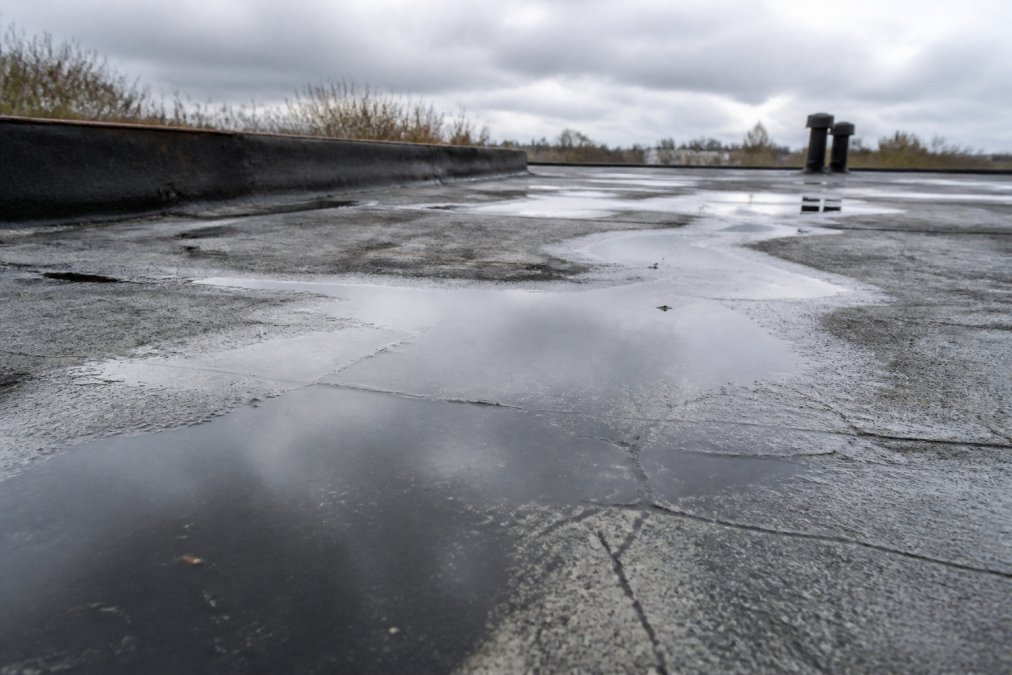
The safest approach is to have a professional roofer inspect your flat roof annually or immediately after severe weather. ARRC Ltd offers roof inspections that document condition with photos and detailed notes, giving you clarity on what needs attention now versus what can wait.
Common Flat Roofing Materials and Repair Approaches
Understanding your roofing material is essential because repair techniques and longevity vary significantly. The three most common flat roofing materials are felt, GRP fibreglass, and EPDM rubber.
EPDM Rubber Roofing
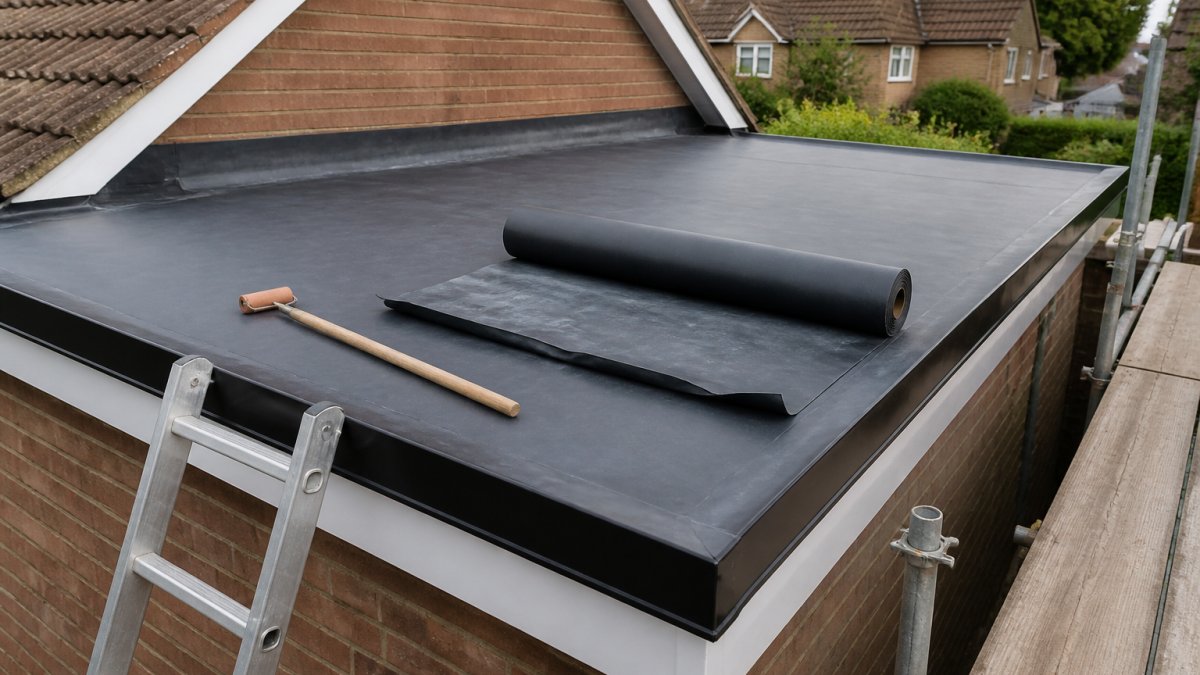
EPDM (ethylene propylene diene monomer) is a synthetic rubber membrane increasingly popular for flat roofs due to its durability and flexibility. It's typically installed as a single continuous sheet, minimising seams and reducing leak points. The rubber remains flexible across temperature variations, resisting cracking that affects more brittle materials.
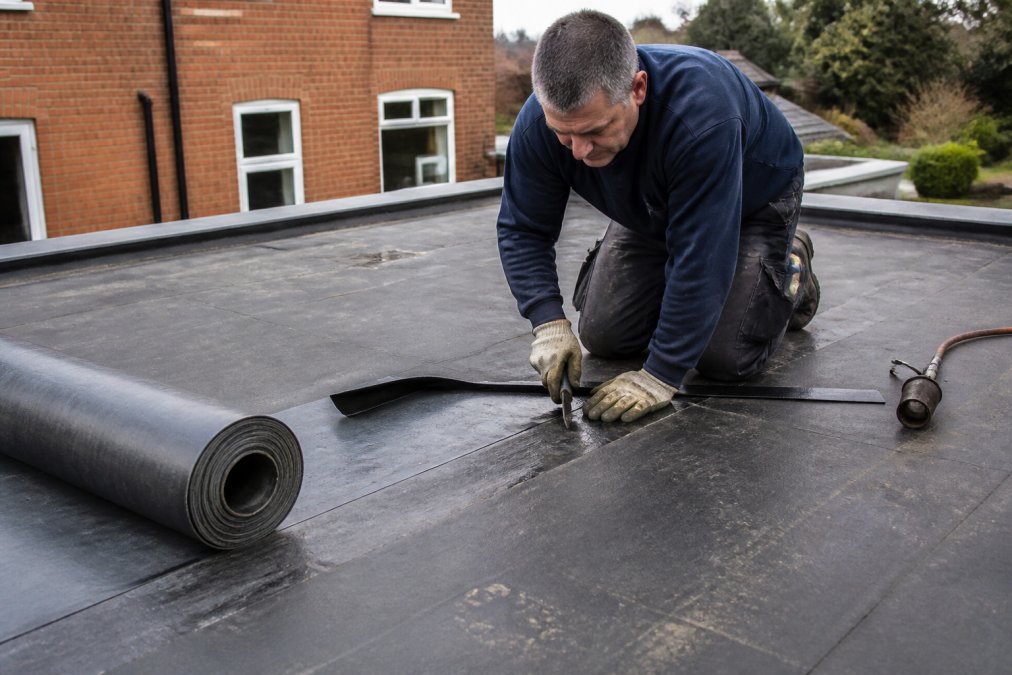
Repair of EPDM involves patching damaged areas with rubber patches and sealing compounds. Small punctures or tears can be fixed without replacing the entire membrane, keeping costs manageable. EPDM roofs generally last 40-50 years with proper maintenance, making them one of the longest-lasting flat roofing options (peer-reviewed research). ARRC Ltd specialises in EPDM rubber roofing installations and repairs, backed by a 20-year guarantee on our flat rubber roofs, reflecting our confidence in the material and installation quality.
GRP Fibreglass Roofing
GRP (glass-reinforced plastic) fibreglass roofing is a rigid, waterproof material laid over the roof structure and sealed with resin coatings. It's extremely durable and handles foot traffic better than membrane materials without risk of puncture.
Repairs to GRP involve filling cracks or damaged areas with fibreglass resin and patching compound, then sealing with a topcoat. GRP roofs typically last 25-40 years depending on maintenance and exposure (peer-reviewed research). GRP requires regular topcoat resealing every 5-10 years to maintain waterproofing, adding to lifetime maintenance costs.
Felt Roofing
Felt roofing is the traditional flat roofing material, consisting of bitumen-soaked felt layers bonded with hot tar or adhesive. It's relatively affordable to install and repair, but has the shortest lifespan of the three common materials, typically 15-25 years. Felt becomes brittle with age and UV exposure, developing cracks that allow water penetration (peer-reviewed research).
Repairs to felt involve patching damaged areas with additional felt and bitumen, or applying liquid waterproofing sealants. These repairs are temporary fixes that buy time but rarely restore the roof to original condition. Once felt roofing reaches the end of its serviceable life, replacement is usually more cost-effective than ongoing repairs.
Flat Roof Repair Cost UK: What Affects Your Quote
Pricing for flat roof repairs depends on multiple factors a professional roofer assesses during inspection. The primary cost driver is the extent of damage. The size of your roof also matters; a garage roof repair is less expensive than a commercial warehouse repair. Material choice affects cost: EPDM repairs are typically mid-range, GRP repairs can be higher due to specialist labour, and felt repairs are often most affordable but provide only temporary solutions.
Labour costs vary by region and contractor experience. Experienced roofers typically charge more, but their work carries lower risk of failure. Emergency or out-of-hours repairs incur premiums. If your roof requires structural repairs beneath the membrane, rotted timber, inadequate insulation, or sagging support, costs increase substantially.
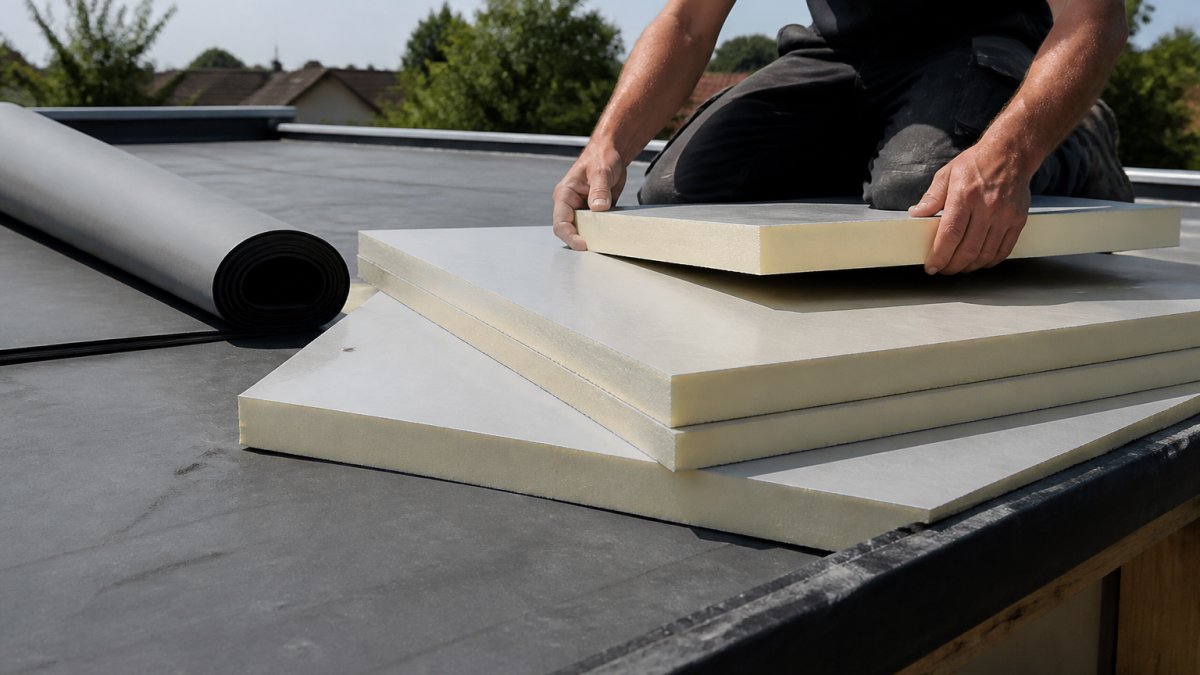
Additional work often gets identified during inspection. Fascias and soffits may need replacement. Guttering might require cleaning, repair, or replacement. Thermal insulation may need upgrading. These add-ons increase total project cost but often represent good value because you're addressing multiple issues in one visit.
When requesting quotes, ensure each one specifies the repair method, materials used, warranty terms, and timeline. A professional roofer should provide a written specification before work begins, protecting both parties.
ARRC Ltd provides detailed quotes that break down materials, labour, and timescales. We discuss options available, repair versus replacement, material choices, and long-term value, so you understand what you're paying for.
Repair vs Replacement: Making the Right Decision
Repair makes sense when damage is localised and the roof is relatively young. A 10-year-old EPDM roof with one seam separation or a small puncture is an excellent candidate for repair. The cost is low, the work is quick, and the roof has many years of life remaining. identifying roof algae.
Replacement becomes the better choice when damage is widespread, the roof is nearing the end of its expected lifespan, or repairs would be temporary fixes rather than lasting solutions. A 20-year-old felt roof with multiple cracks and pooling water across several areas is better replaced than repeatedly patched. Long-term repair costs exceed replacement cost, and you gain the benefit of a new warranty and extended lifespan.
Consider your property's future. If you plan to sell within 5 years, a strategic repair might be sufficient. If you'll own the property long-term, investing in replacement with a durable material like EPDM makes financial sense. Energy efficiency is another factor. Older roofs often have poor insulation. Replacement allows you to upgrade thermal performance, reducing heating and cooling costs.
A professional roofer can advise whether repair or replacement makes sense for your specific situation. ARRC Ltd assesses the full picture, material condition, structural integrity, age, and your long-term plans, to recommend the most cost-effective solution.
Hiring a Professional Roofer Checklist
Choosing the right roofer is as important as deciding whether to repair or replace. The quality of work determines how long your roof lasts and whether you'll face problems down the line.
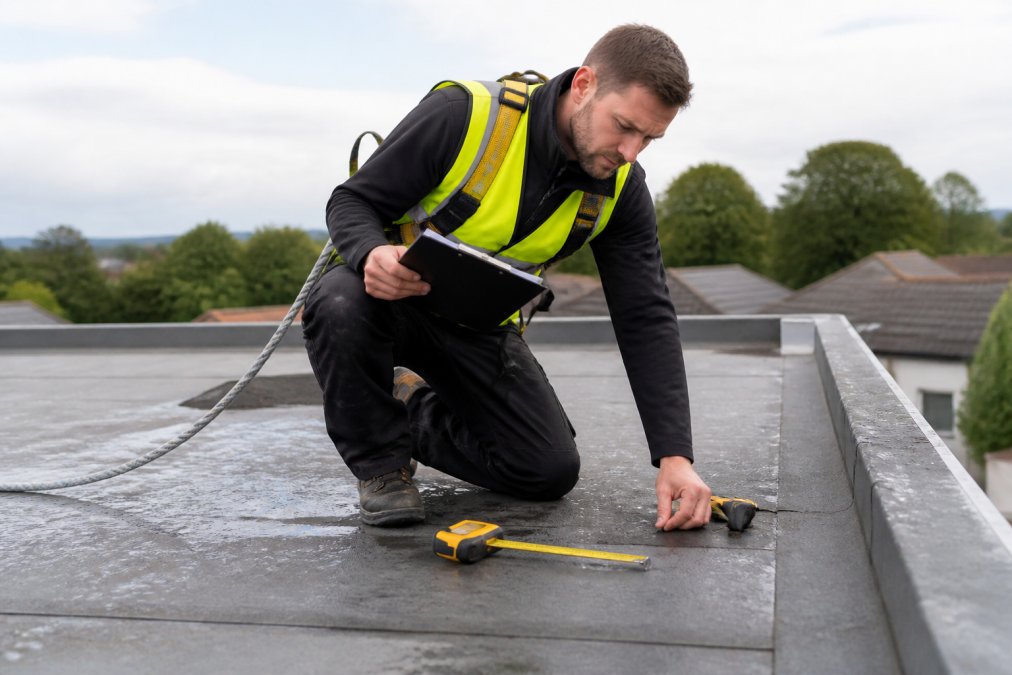
Insurance and Certification. Verify that the roofer carries public liability insurance and employer's liability insurance if they have staff. Ask for proof of certification or membership with relevant industry bodies. Confirm they're registered with building control if your project requires it.
Experience and Track Record. Ask how long they've been in business and specifically how many flat roof projects they've completed. Request references from recent customers and follow up with at least two. Ask to see examples of previous work, ideally photographs of completed projects similar to yours.
Warranty and Guarantees. Understand what the roofer guarantees. Do they warrant their labour for a set period? What about materials? ARRC Ltd offers a 20-year guarantee on EPDM rubber roofing. Get the guarantee in writing as part of your contract.
Clear Communication and Transparency. A good roofer explains the work clearly, answers your questions, and provides a detailed written quote before starting. They should discuss options, repair versus replacement, material choices, and timeline rather than pushing a single solution. Red flags include vague quotes, pressure to decide immediately, or unwillingness to explain recommendations.
Health and Safety Practices. Observe whether they use proper safety equipment, harnesses, hard hats, and high-visibility clothing. Do they protect your property during work with coverings or barriers? Professional roofers follow health and safety regulations because they protect both workers and property owners.
Local Knowledge. A local roofer understands regional weather patterns, building styles, and local regulations. They're accessible for follow-up issues and have a reputation in the community to protect.
Detailed Written Contract. Before work begins, you should have a written contract specifying the work scope, materials, timeline, payment terms, and warranty.
Flat Roof Maintenance to Prevent Future Damage
Preventative maintenance is far cheaper than emergency repairs. A structured maintenance routine extends your roof's lifespan and catches problems before they become serious.
Annual Inspections. Schedule a professional inspection at least once yearly, ideally in spring after winter weather. An experienced roofer can spot early signs of deterioration before they worsen. Document findings with photographs and notes so you track changes over time.
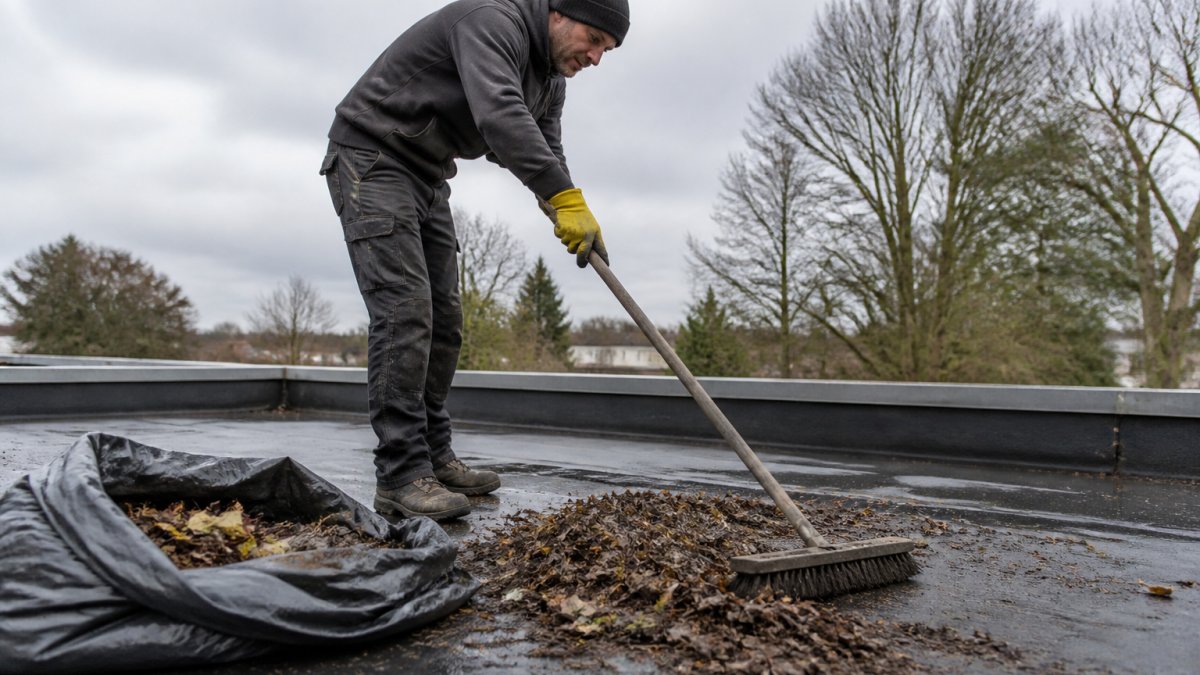
Debris Removal. Leaves, branches, and dirt accumulate on flat roofs and trap moisture against the membrane. Clear debris regularly, particularly after autumn and following storms. Ensure guttering and drainage outlets remain clear so water flows away efficiently.
Membrane Inspection. Walk your roof periodically (safely, using appropriate footwear and harnesses if needed) to look for visible damage. Check for blisters, cracks, peeling, or soft areas. Look for algae or moss growth, which indicates moisture problems.
Flashing and Seam Maintenance. Inspect where the roof membrane meets walls, parapets, and penetrations like vents or skylights. Ensure sealants are intact and re-seal if they've cracked or deteriorated.
Thermal Insulation Assessment. If you notice increased heating or cooling costs or detect soft areas on the roof, insulation may be moisture-saturated. Professional assessment determines whether insulation needs replacement.
Guttering and Soffit Care. Clean guttering regularly to prevent blockages. Inspect soffits for rot or damage. Ensure fascias are sound and protecting the roof edges properly.
Documentation. Keep records of all maintenance work, inspections, and repairs. This documentation supports warranty claims if issues arise and helps future owners understand the roof's history.
ARRC Ltd offers maintenance packages that include scheduled inspections, cleaning, and minor repairs.
Flat roof damage develops gradually through small leaks, seam separations, and membrane degradation that worsen over time. The difference between a straightforward repair and a costly emergency replacement often comes down to catching problems early and addressing them professionally.
If you're noticing signs of roof failure, pooling water, interior staining, visible cracks, or soft areas, don't wait. A professional inspection costs far less than the damage water causes to your property's interior. ARRC Ltd can assess your flat roof, explain your options, and provide a detailed quote for repair or replacement work. With over 30 years of experience and a 20-year guarantee on EPDM rubber roofing, we've helped thousands of homeowners and businesses protect their properties. Contact ARRC Ltd for a free survey and quote, and get your roof sorted before the next heavy rain.
Frequently Asked Questions
Q: What are the main signs that a flat roof needs professional repair?
A: Visible pooling water, blistering or bubbling in the membrane, cracks or splits, damp patches on ceilings, or moss and algae growth indicate your flat roof needs attention. Leaks after heavy rain are a clear signal to contact a professional. Don't wait, early intervention prevents costlier structural damage. A qualified roofer can assess whether repair or replacement is best for your situation.
Q: How do I know if a roofing contractor is properly certified and insured?
A: Ask for proof of public liability insurance, employer's liability insurance (if they employ staff), and building control registration. Ask for proof of certification or membership with relevant industry bodies. Request references from recent projects and verify them directly. A reputable contractor will provide these details without hesitation and explain their workmanship guarantee terms clearly.
Q: What factors affect flat roof repair cost in the UK?
A: Repair costs depend on the extent of damage, the roofing material used (EPDM, GRP, or felt), roof size, access difficulty, and whether additional structural work is needed. Emergency call-outs typically cost more. Quotes should be based on a site survey. Pricing varies significantly by region and contractor, so obtain multiple quotes. Always ask what the quote includes, materials, labour, guarantees, and waste removal, to compare fairly.
Q: Should I repair my flat roof or replace it entirely?
A: Repair is usually cost-effective for isolated damage on roofs under 10 years old. Replace if the roof is over 20 years old, has multiple problem areas, or recurring leaks despite previous repairs. A professional inspection will reveal the roof's condition and remaining lifespan. Consider replacement if repair costs exceed 50% of replacement cost. A new roof with a long-term guarantee offers peace of mind and better energy efficiency than patching an ageing system.
This article was written using GrandRanker