 how-to
Flat Roof Repair for Listed Properties: A 2026 Guide
Table of Contents
- Why Flat Roof Repair for Listed Properties Is Different
- When You Need Listed Building Consent for Roof Repairs
- How to Choose Specialist Heritage Roofing Contractors
- Materials and Methods for Historic Flat Roofs
- Emergency Repair Protocols for Listed Flat Roofs
- Insurance and Maintenance for Listed Flat Roofs
- Conclusion
- Frequently Asked Questions
Last Updated: September 10, 2026
Why Flat Roof Repair for Listed Properties Is Different
Flat roof repair for listed properties is the process of fixing or maintaining a flat roof on a building protected by listing status, where every material choice and method must respect the building's historic character and meet the requirements of listed building consent. It is a different job from repairing a modern flat roof because the roof covering, substrate, and internal structure are all part of the building's historic fabric, and unauthorised alterations can trigger an enforcement notice.
The practical consequence is that you cannot treat a listed flat roof like any other. We have spent more than 30 years working on flat roofs, and the single most common mistake we see is a well-meaning repair that damages the very thing it was meant to protect: the wrong membrane over a historic substrate traps moisture and causes rot.
Below, we break down when consent applies, how to appoint the right specialist, and what to do when water is coming in tonight.
When You Need Listed Building Consent for Roof Repairs
Listed building consent is required for any work that would affect the building's character as a building of special architectural or historic interest. Like-for-like repairs generally do not need consent; alterations usually do.
The distinction matters because getting it wrong is not a paperwork problem. As Historic England's guidance on listed building consent sets out, carrying out unauthorised work to a listed building is a criminal offence, and local authorities can issue an enforcement notice requiring you to undo it.
Repairs vs Alterations: Where Consent Applies
The dividing line is character, not cost or visibility. Replacing a broken slate with a matching slate is a repair. Swapping a lead flat roof for a modern membrane, adding a rooflight window, or changing the roof pitch is an alteration, and that is where consent applies.
If you are unsure which side of the line your job falls on, ask the conservation officer before you book anyone. A short conversation now is cheaper than a reversal later.
The Step-by-Step Consent Application Process
- Check the listing entry for your building, including any curtilage structures such as a garage with a flat roof.
- Contact the local conservation officer to discuss the proposed work informally.
- Commission drawings and a specification that state materials and methods precisely.
- Submit the listed building consent application through the local planning authority.
- Respond to any heritage impact queries, and expect a site visit.
- Wait for written consent before any work starts.
- Keep the approved drawings on site for the duration of the job.
How to Choose Specialist Heritage Roofing Contractors
Specialist heritage roofing contractors are firms with demonstrable experience of historic fabric, traditional materials, and the consent process. The right contractor will tell you when a repair is the correct answer and a replacement is not, and will be able to explain why in terms of the building's construction, not just its age.
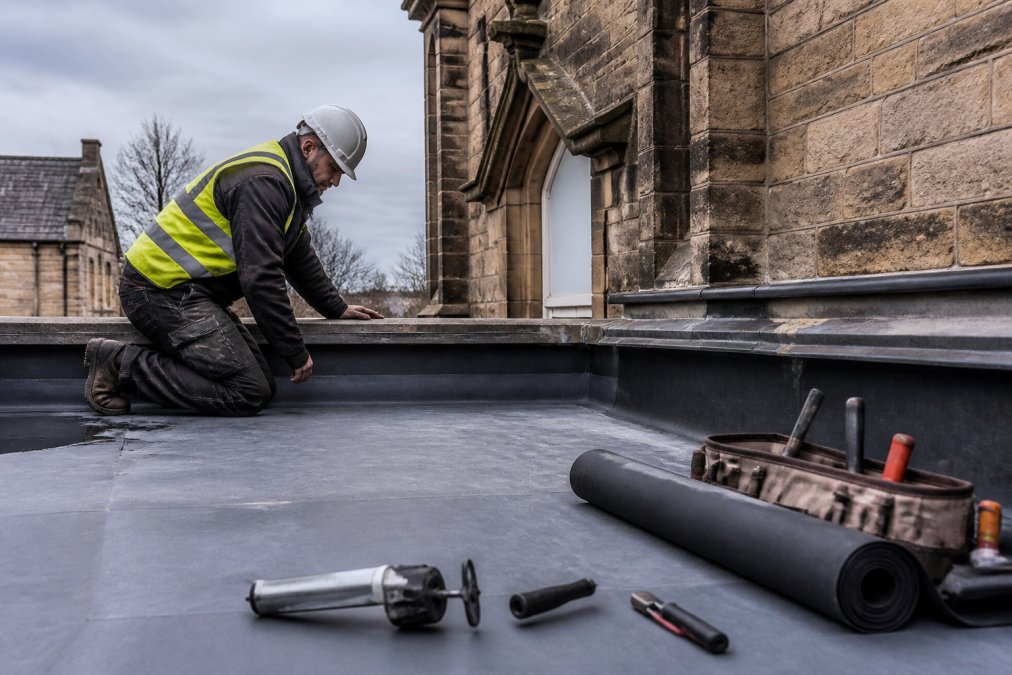
The difficulty is that "heritage specialist" is not a protected title. Anyone can print it on a van. What separates a genuine specialist from a general roofer with a marketing budget is evidence you can verify before you appoint them.
Accreditations and Memberships Worth Checking
Several schemes give you a paper trail to verify rather than a claim to take on trust:
- TrustMark is the government-endorsed quality scheme for trades working in and around homes. A TrustMark-registered firm has been vetted on insurance, complaints handling, and technical competence. You can search the register directly.
- Which? Trusted Traders runs a similar assessment, including a credit check and reference audit.
- The National Federation of Roofing Contractors (NFRC) operates a competency-based membership, and its Heritage Roofing Register is specifically for firms with proven experience on historic buildings. Membership is verifiable on the NFRC website.
- Constructionline and CHAS accreditation confirm health, safety, and financial standing, useful if the job involves scaffolding over a public footpath or a party wall.
- Membership of IHBC (Institute of Historic Building Conservation) is relevant for the surveyor or conservation-accredited professional, not usually the roofing firm itself.
None of these guarantees a good job. But a firm that holds none of them, and cannot explain why, is a risk on a listed building where an enforcement notice can follow poor work.
Questions to Ask Before You Appoint Anyone
- Can you show me previous work on listed buildings, with references I can contact?
- Which conservation officers have you worked with locally, and can you describe a consent application you prepared or contributed to?
- How will you record the existing roof build-up before specifying anything, drawings, photographs, moisture readings?
- Are you insured for heritage work, and can I see the certificate, including the level of public liability cover?
- Who will liaise with the conservation officer, you or me?
- What happens if the substrate is worse than expected, how is that priced, and how is it documented?
- Will you provide a method statement that names the materials and their manufacturers?
Ask these before anyone gets on the roof. The answers tell you more than any glossy brochure.
Red Flags in a Quote
A quote that arrives within 24 hours, without a site visit or a look inside the roof void, is not a quote, it is a guess. Other warning signs:
- A specification that names a product but not a substrate preparation method.
- No mention of how the existing covering will be removed, stored, or matched.
- A price that is dramatically lower than the others, with no explanation of what is excluded.
- Reluctance to put anything in writing about consent or the conservation officer.
- Pressure to start before consent is granted "because the weather is turning".
A common pattern on listed flat roofs is that the cheapest quote skips the substrate survey. That is exactly how water ingress returns six months later, and how a repair becomes a replacement at your expense.
Getting the Appointment Right
Once you have chosen, put the scope in writing: materials, methods, sequence, who handles consent, what happens if hidden defects are found, and how the work will be photographed and recorded. On a listed building, the paper trail is part of the job, not an afterthought. It protects you if a future owner, insurer, or conservation officer asks what was done and why.
Materials and Methods for Historic Flat Roofs
Traditional flat roof coverings on historic buildings are typically lead, copper, or zinc, laid over a timber substrate with attention to breathability. Modern EPDM rubber and similar membranes can be appropriate in some contexts, but only where the build-up allows the structure to manage moisture. The gap most guides leave is the why, and without it, owners approve specifications that quietly rot the building from below.
Why Modern Membranes Fail on Historic Substrates
The problem is not the membrane itself. It is what happens when a vapour-impermeable sheet is laid over a substrate that was designed to dry inward.
Historic flat roofs were built as a layered system. Moisture from the rooms below, from driving rain, and from the timber itself moves through the structure and escapes through gaps, laps, and the natural permeability of lime mortars and unsealed timber. Lead, copper, and zinc sheets are not vapour-tight in the way a bonded rubber membrane is: they are laid in bays with laps, they move with temperature, and they allow a degree of drying at the edges and upstands. listed building renovations.
A fully bonded EPDM or GRP membrane changes that. It seals the top of the assembly. Vapour rising from below can no longer escape upward, so it condenses on the underside of the membrane or within the timber deck. Over one to three heating seasons, that trapped moisture feeds wet rot and, in older softwood decks, dry rot. By the time the leak appears inside, the deck is often beyond repair.
This is why the compatibility question is really a moisture-management question. It is not about whether EPDM is "good" or "bad", it is about whether the build-up can dry.
When a Modern Membrane Can Be Appropriate
A modern covering is not automatically wrong. It can be defensible where:
- The existing substrate is already a modern, ventilated deck rather than historic timber.
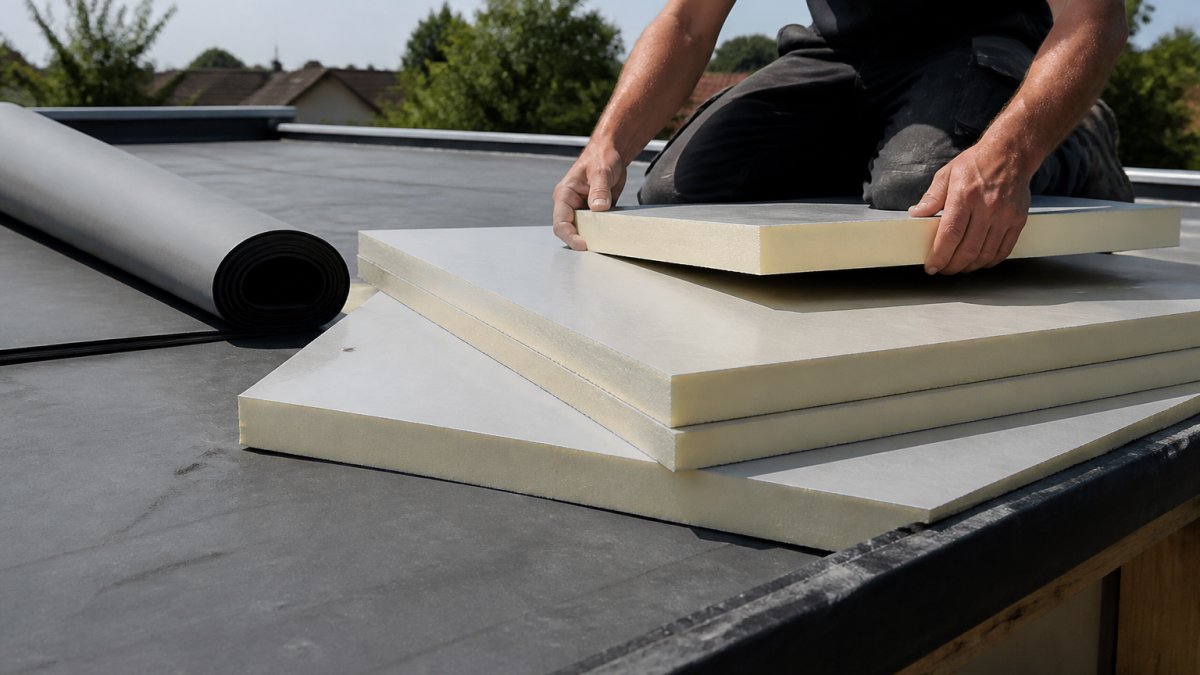
- A warm-roof build-up with a correctly specified vapour control layer and continuous insulation is designed by a competent specifier.
- The roof is over a space that is unheated and well ventilated, so vapour pressure is low.
- The conservation officer accepts that the historic covering is already lost and the visual character of the roof is not affected.
Even then, the specification needs to address ventilation, vapour control, and the interface with any remaining historic fabric. A membrane laid over a historic deck without that analysis is a future insurance claim.
Traditional Materials and Their Trade-Offs
| Material | Typical use | Strengths | Watch-outs |
|---|---|---|---|
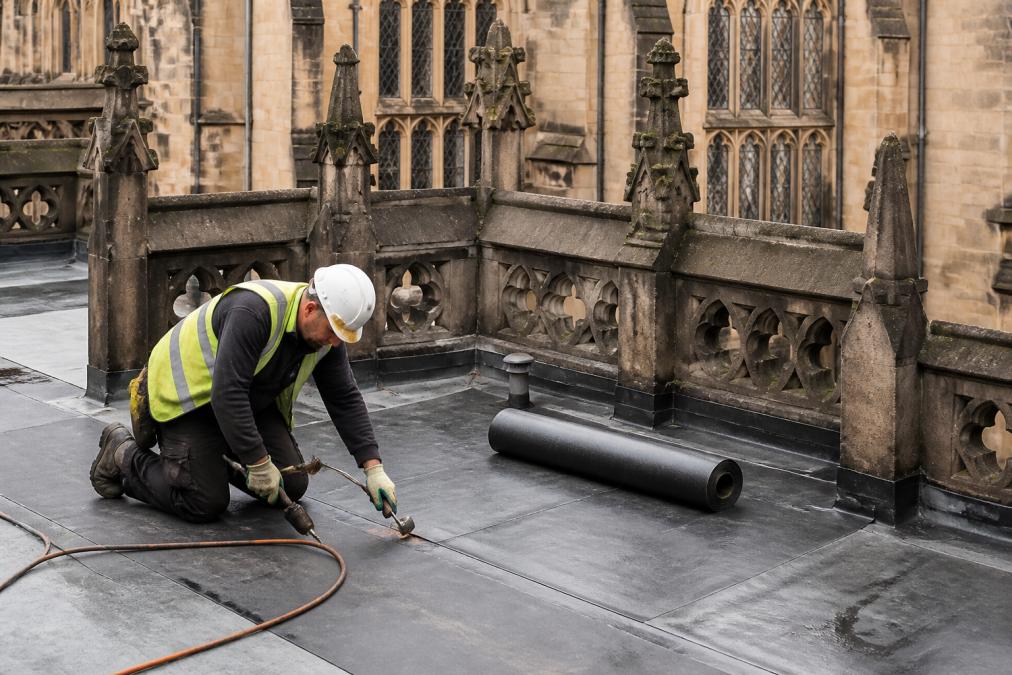
| Lead | Flat roofs, gutters, flashings | Extremely long-lived, repairable, sympathetic | Heavy; needs skilled dressing; theft risk |
| Copper | Flat roofs, details | Long-lived, patinates attractively | Expensive; needs compatible fixings |
| Zinc | Flat roofs, standing seam | Light, neat, long-lived | Less forgiving of poor detailing |
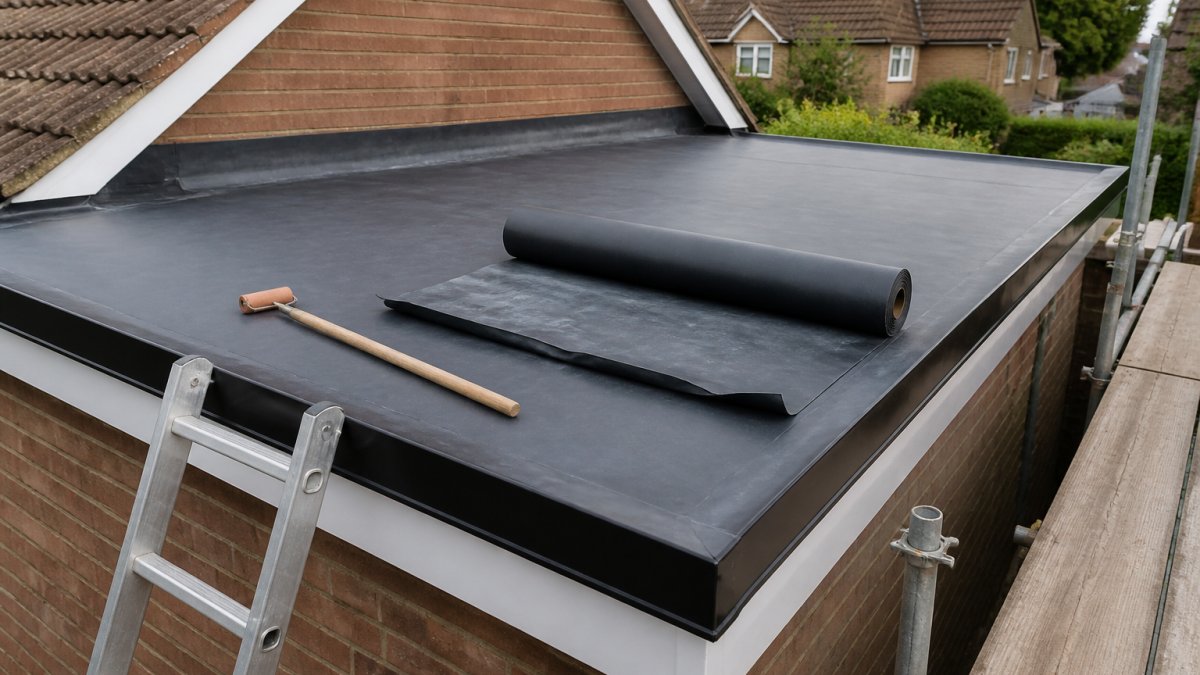
| EPDM | Modern flat roofs | Cheap, quick, seamless | Vapour-tight; needs ventilated build-up |
| GRP | Modern flat roofs | Rigid, walkable | Brittle at movement joints; hard to repair invisibly |
As the Society for the Protection of Ancient Buildings' technical advice notes, repairs to historic fabric should use materials that are sympathetic to the original construction and reversible where possible. Reversibility matters: a lead sheet can be lifted and relaid; a bonded membrane cannot.
The Specification Test
Before approving any covering, ask one question: if water vapour gets into this assembly, where does it go? If the answer is "nowhere", the specification is wrong for a historic building, regardless of what the manufacturer's brochure says.
Emergency Repair Protocols for Listed Flat Roofs
Emergency repair protocols for a listed flat roof prioritise stopping water ingress and preventing further damage, using temporary measures that do not alter the building's character. The goal is to stabilise, document, and then apply for consent for the permanent fix.
A sensible sequence:
- Make the area safe and photograph all damage.
- Apply temporary weatherproofing that can be removed without harm.
- Contact the conservation officer and explain the emergency.
- Record the temporary measures taken and the date.
- Arrange a full survey once conditions allow.
Emergency work does not remove the need for consent on the permanent repair. It buys you time to do the permanent job properly.
Insurance and Maintenance for Listed Flat Roofs
Insurance for listed flat roofs is a frequent gap. Many standard household policies assume modern construction, and some will question a claim if work was carried out without consent or to a non-standard specification.
Check two things before you claim: that your policy covers the building as a heritage asset, and that any recent work was consented and documented. If a claim is refused because consent was never obtained, the repair bill lands on you.
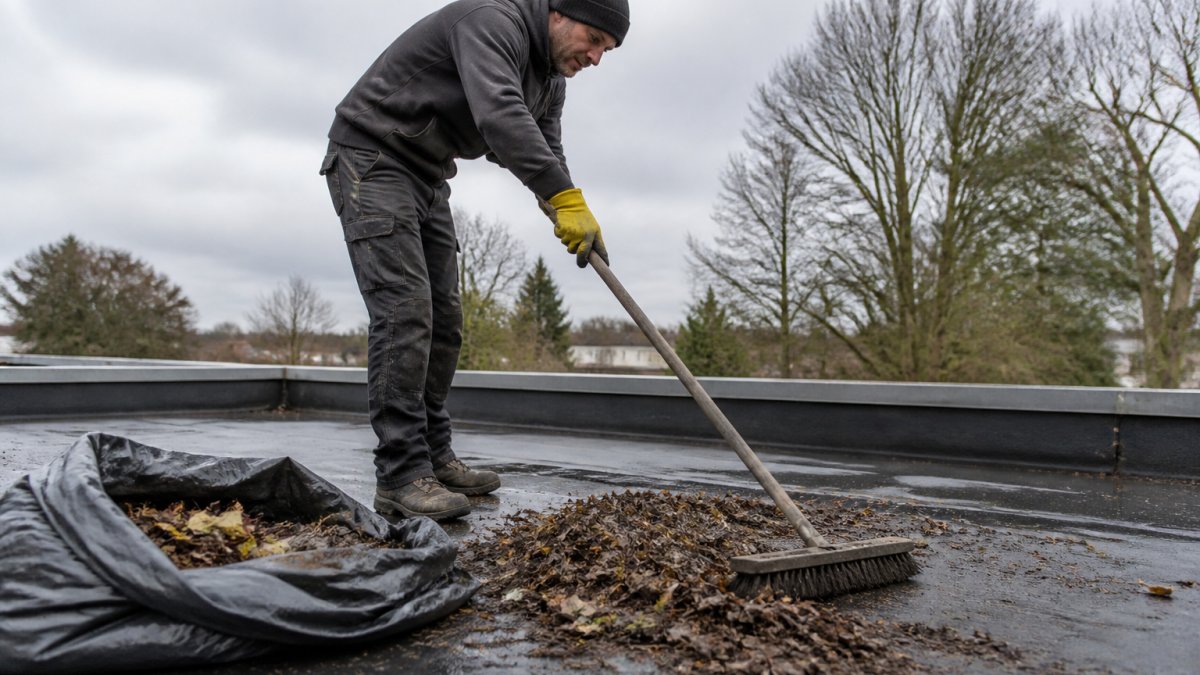
A maintenance schedule is the cheapest insurance of all. Two inspections a year, in spring and autumn, catch failed leadwork, blocked outlets, and early water ingress before they reach the internal structure (nrcan.gc.ca). For a flat roof on a heritage asset, prevention is not a luxury.
Conclusion
The hardest part of flat roof repair for listed properties is not the roofing itself; it is coordinating consent, materials, and a contractor who understands historic fabric, all before the next storm. ARRC Ltd brings more than 30 years of flat roofing experience and a 20-year guarantee on our flat rubber roofs. If you need a flat roof assessed, repaired, or replaced, get a quote from ARRC Ltd and get the job documented, consented, and done to last.
Frequently Asked Questions
Can I repair a roof on a listed building without consent?
Minor like-for-like repairs that do not alter the character of a listed building often fall outside listed building consent, but you should confirm with your local conservation officer before starting. Anything involving a change of material, a new rooflight window, or alterations to the internal structure will normally need consent. Carrying out unauthorized alterations can lead to an enforcement notice requiring you to reverse the work, so always check first.
How do I find specialist heritage roofing contractors?
Look for contractors with proven experience on historic fabric, not just general flat roof work. Ask for examples of listed building projects, check they carry insurance, and confirm they understand breathability and traditional materials. A specialist will know when leadwork, slate roofing, or a compatible roof membrane is appropriate, and will work with your conservation officer rather than around them.
What happens if I repair a listed roof without consent?
Carrying out works that need listed building consent without it is a criminal offence. The local planning authority can issue an enforcement notice requiring you to undo the changes, and in serious cases you may face prosecution. Reversing unauthorized alterations is often more expensive than getting consent in the first place, and it can affect your insurance cover.
Do I need listed building consent for minor roof repairs?
Not always. Routine maintenance and like-for-like repairs using matching materials usually do not need consent, provided they do not affect the building's special interest. However, the line between repair and alteration is not always clear, especially on flat roofs where the original covering may be hard to match. Speak to your conservation officer before any work begins.