 comparison
Flat vs Pitched Roof for Garages: Cost, Durability & Maintenance
Table of Contents
- Flat Roof vs Pitched Roof for Garages: Key Differences
- Installation Cost and Material Requirements
- Garage Roof Lifespan and Long-Term Durability
- Water Drainage and Leak Risk
- Flat Roof Maintenance and Repair Requirements
- Converting a Flat Garage Roof to Pitched: What You Need to Know
- Flat Garage Roof Replacement: Planning and Execution
- Which Roof Type Is Right for Your Garage?
- Frequently Asked Questions
Last Updated: October 19, 2026
Flat Roof vs Pitched Roof for Garages: Key Differences
When deciding on a garage roof, the choice between a flat and pitched roof shapes everything that follows: installation costs, long-term maintenance, available storage space, and how effectively water drains away after heavy rain. At ARRC Ltd, we've worked with homeowners across the region who face this exact decision, and the answer depends on your specific situation, not on which roof type is universally "better."
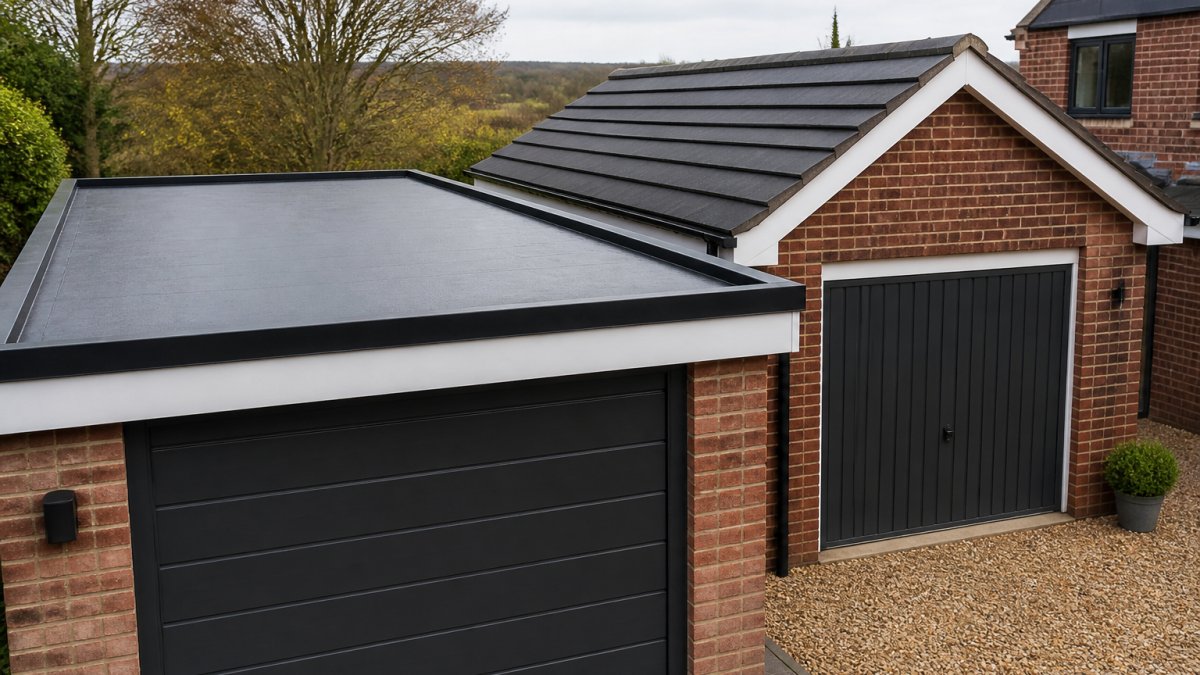
Both designs have genuine trade-offs. A flat roof maximises usable interior space and costs less to install initially. A pitched roof sheds water more naturally, typically lasts longer, and creates a more traditional aesthetic. The real question is which trade-offs matter most for your garage.
Roof slope and pitch explained
Roof pitch refers to the angle at which a roof slopes. It's measured as a ratio: rise over run (for example, a 4:12 pitch means the roof rises 4 units for every 12 units of horizontal distance).
A flat roof has minimal slope, typically between 1:12 and 3:12, just enough gradient to direct water toward guttering and drainage points. It's not truly flat; that slight pitch is essential for preventing water pooling.
A pitched roof has a steeper angle, commonly 4:12 to 12:12 or higher. This slope is steep enough that gravity handles most of the water drainage naturally.
The slope difference creates the fundamental distinction between these two systems. Flat roofs rely on careful drainage design and regular maintenance to manage water. Pitched roofs use gravity as their primary defence against water accumulation.
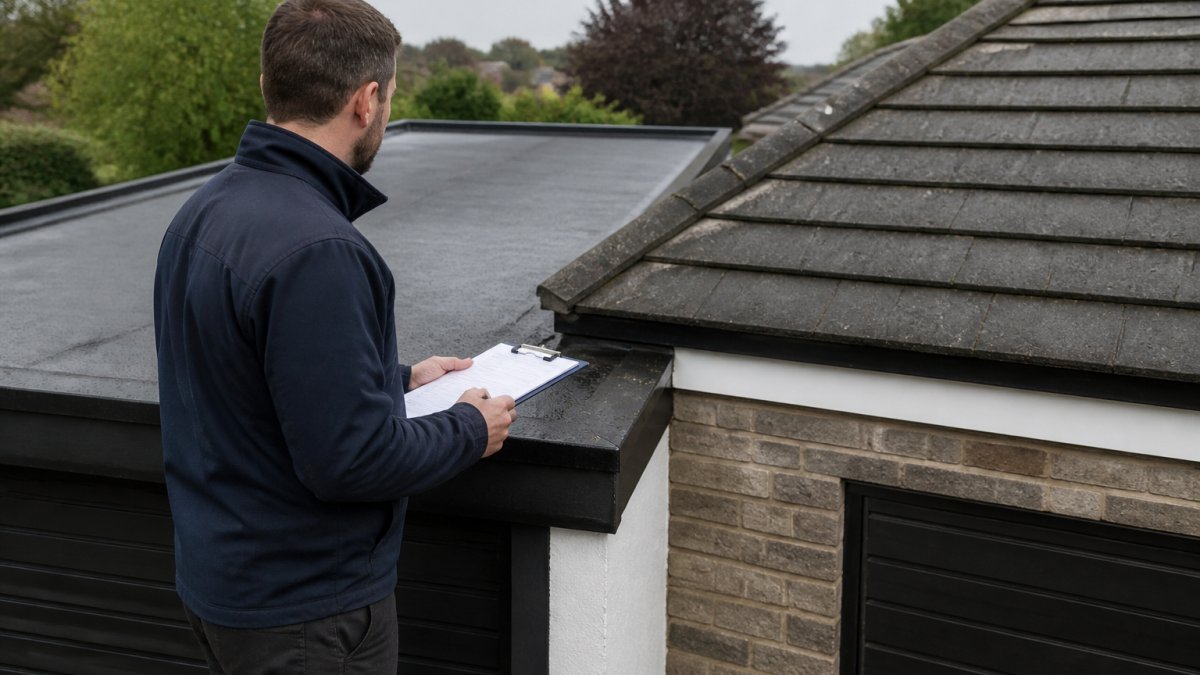
Comparison table: at a glance
| Feature | Flat Roof | Pitched Roof |
|---|---|---|
| Roof slope | 1:12 to 3:12 | 4:12 to 12:12+ |
| Interior headroom | Maximum (no ridge) | Reduced by roof structure |
| Water drainage | Relies on guttering and slope | Natural gravity runoff |
| Lifespan | 15-25 years (EPDM rubber) | 25-40+ years (slate, tile) |
| Maintenance | Frequent (annual inspections) | Moderate (5-year intervals) |
| Installation complexity | Lower | Higher |
| Appearance | Modern, minimalist | Traditional, classic |
| Typical material | EPDM rubber, bitumen | Slate, tile, asphalt shingles |
Installation Cost and Material Requirements
Flat roof installation typically costs less upfront than pitched roof work because the structure is simpler and labour time is shorter. Industry benchmarks suggest that a basic flat roof installation can be around 20-30% cheaper than a comparable pitched roof.
Pitched roof installation demands more complex framing, additional materials for the roof structure itself, and higher labour costs. You're building a triangular framework, fitting rafters or trusses, and then applying roofing material on a slope, all of which takes longer and requires more skill.
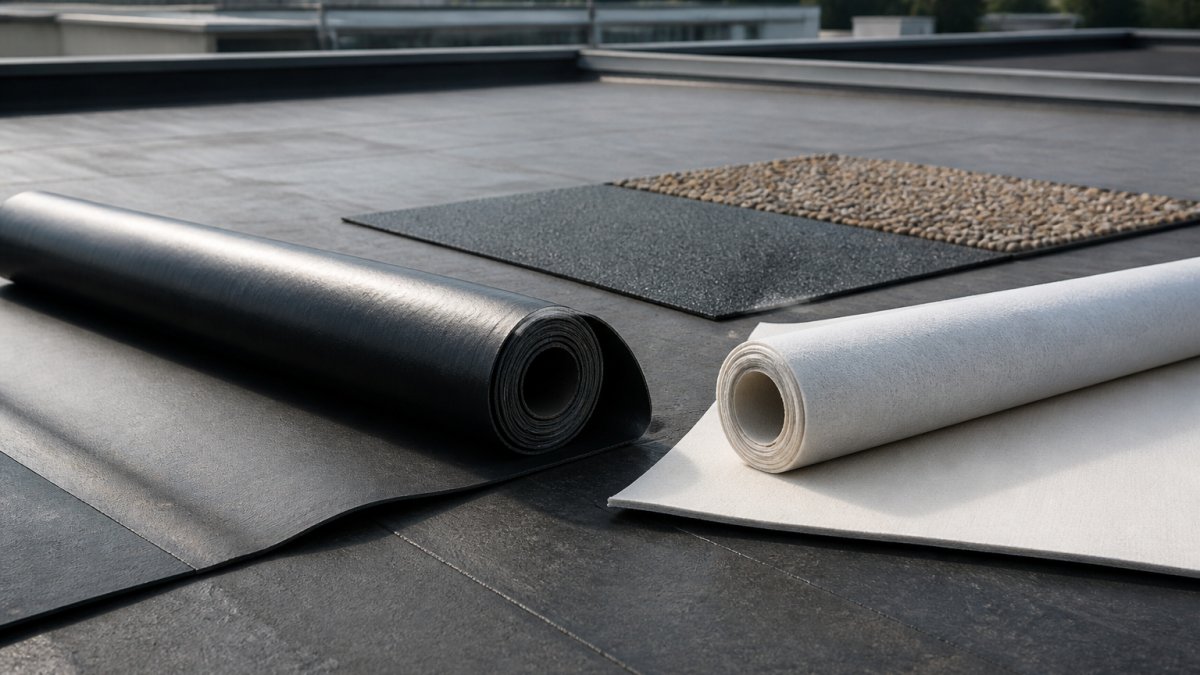
Material choice affects cost significantly. EPDM rubber membranes, popular for flat garage roofs, offer durability at a reasonable price point, typically costing between £40-£70 per square metre for materials and installation. Pitched roofs can use asphalt shingles (economical but shorter-lived, around £30-£50 per square metre), clay or concrete tiles (expensive but long-lasting, £60-£100+ per square metre), or slate (premium option with a 50+ year lifespan, £100-£200+ per square metre).
For most garage conversions or replacements in this region, homeowners find flat roof systems more accessible as a first step. If you're replacing an existing flat garage roof, the structural work is often minimal, you're essentially refreshing the membrane and ensuring drainage is sound.
Garage Roof Lifespan and Long-Term Durability
A well-maintained flat roof using modern EPDM rubber typically lasts 15-25 years. The membrane itself is durable, but flat roofs are vulnerable to standing water if drainage fails, which accelerates wear. Seams can separate over time, and UV exposure degrades the material gradually. According to industry data, EPDM membranes can last up to 30 years when properly installed and maintained.
Pitched roofs generally outlast flat ones. Tile or slate roofs often exceed 40 years or more with routine maintenance. Even asphalt shingles on a pitched roof typically perform better than flat membranes because water runs off quickly rather than sitting on the surface.
The durability difference reflects how each system handles water. On a pitched roof, rain and snow slide away naturally.
Climate matters here too. In areas with heavy rainfall or frequent freeze-thaw cycles, pitched roofs prove more resilient. Flat roofs in wet climates require more aggressive maintenance schedules to prevent water damage and membrane degradation.
ARRC Ltd backs its flat roof installations with a 20-year guarantee, reflecting confidence in the system when properly installed and maintained.
Water Drainage and Leak Risk
Water drainage is where the two roof types diverge most sharply.
On a pitched roof, gravity does nearly all the work. Rain and snow slide down the slope and off the eaves into guttering below. Provided guttering is clear and the pitch is adequate, water never pools.
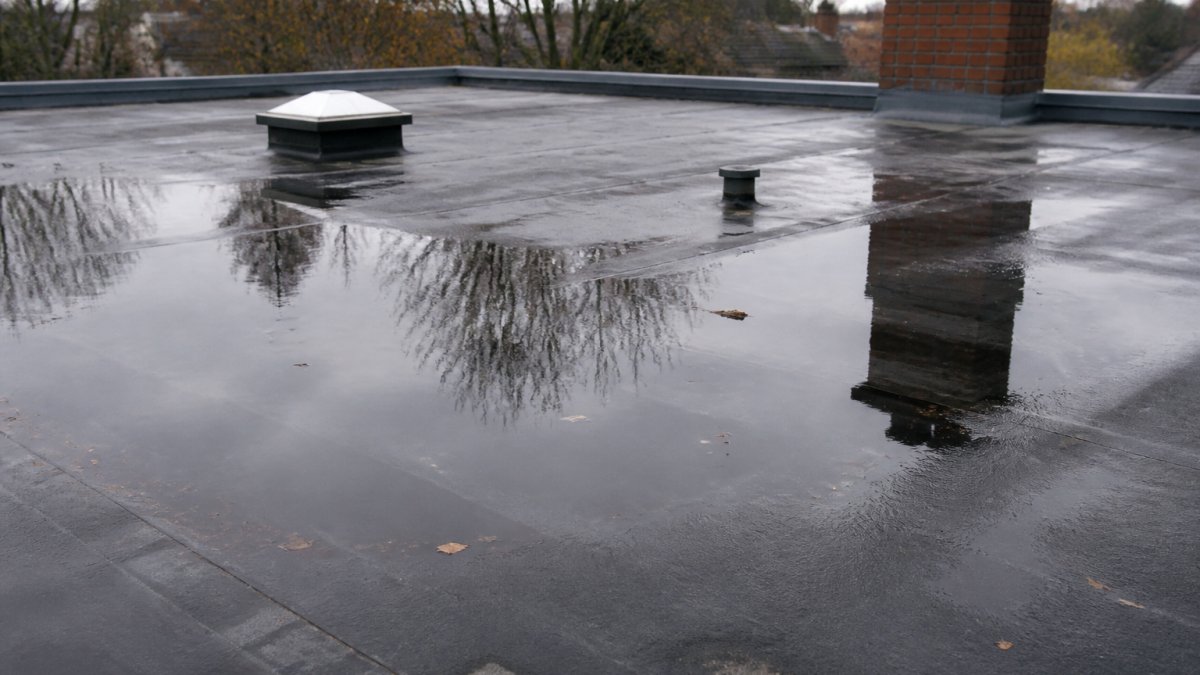
On a flat roof, drainage depends entirely on the slight slope you've built in and the guttering system. If the slope is too shallow or guttering blocks with debris, water pools. This pooling is a primary cause of premature roof failure.
Many flat roof failures aren't caused by defective materials, they're caused by inadequate drainage maintenance. Leaves, moss, and debris accumulate in guttering. Guttering sags or pulls away from the fascia.
Pitched roofs aren't leak-proof, but their vulnerability is different. Flashing failures (where the roof meets a vertical surface) are the most common leak points. Ice dams in winter can trap water behind accumulated snow.
If you're in an area prone to heavy rain or have experienced previous flat roof leaks, a pitched roof conversion eliminates that specific vulnerability.
Flat Roof Maintenance and Repair Requirements
Flat roof maintenance is ongoing and non-negotiable. Neglect leads to accelerated failure.
Annual inspections are essential. Walk the roof (or have a professional do it) to check for debris accumulation, membrane damage, seam separation, or pooling water. Clear guttering and downpipes of leaves and moss. Check that the roof slope is adequate and water is flowing properly toward drainage points.
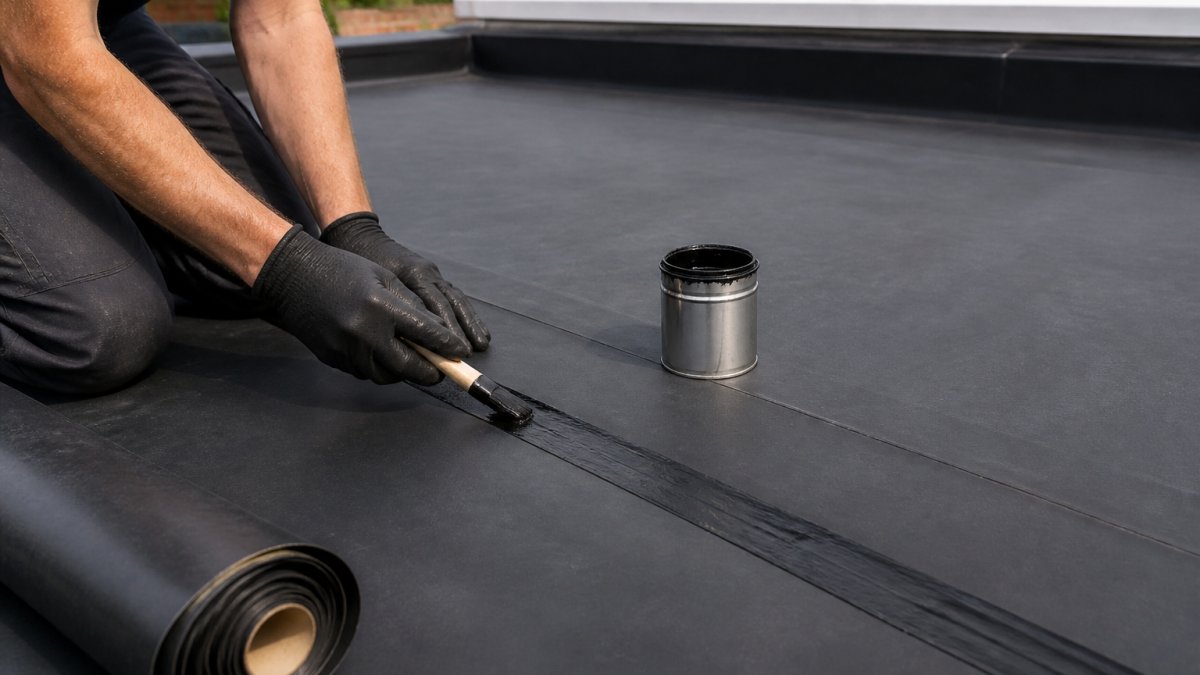
Repairs, when needed, are often straightforward if caught early. A small tear in the membrane can be patched. A separated seam can be re-sealed. Pooling water can be addressed by improving slope or fixing guttering.
Pitched roofs require less frequent maintenance, typically every 5 years or after severe weather. You're looking for broken or missing tiles, flashing damage, or moss accumulation. Maintenance is less intensive, though slate or premium tile roofs may need specialist attention.
For a garage roof, the maintenance difference is significant. Flat roofs demand your attention. Pitched roofs are more forgiving. If you prefer a set-and-forget approach, pitched roofs align better with that preference.
Converting a Flat Garage Roof to Pitched: What You Need to Know
Converting an existing flat garage roof to pitched is possible but substantial. It's not a simple material swap; it's a structural change.
The existing flat roof structure (typically timber joists or a concrete slab) must be removed or modified. New rafters or trusses are installed to create the pitched framework. This work requires building regulation approval and, often, structural engineer sign-off to ensure the garage walls can handle the new load distribution.
Interior headroom increases with a pitched conversion; you gain usable space under the ridge. For a garage used only for vehicle storage, this may not matter. But if you're considering future conversion to a workshop, guest room, or storage loft, the extra height becomes valuable.
Cost is the primary barrier. Conversion labour is substantial, materials multiply, and disruption is significant. For many homeowners, it's more economical to replace a failing flat roof with a new flat system than to convert to pitched. A full conversion can cost upwards of £5,000-£10,000 depending on size and complexity.
Planning permission and building regulations
Flat-to-pitched conversion typically requires planning permission, especially if it alters the external appearance significantly. Building regulation approval is almost always necessary because you're changing the structural design and load paths. Under the Building Regulations 2010, any structural alterations require approval.
Contact your local building control authority before committing to a conversion plan. They'll advise on whether your specific project needs approval and what standards it must meet. ARRC Ltd can guide you through the process and liaise with building control on your behalf, ensuring all work meets current standards.
Storage space and headroom considerations
A pitched roof reduces usable interior volume compared to flat. The ridge line runs down the centre, and roof slopes eat into corner space. For a garage where you park vehicles and store items along the walls, this loss of headroom might be acceptable. For uses requiring full-height access across the entire floor (workshop, storage), it's a genuine drawback.
Flat roofs maximise usable space. You can install shelving or storage systems right up to the eaves without worrying about the roof slope interfering.
Flat Garage Roof Replacement: Planning and Execution
If you're replacing an existing flat garage roof, the process is more straightforward than conversion.
Existing material is removed, typically EPDM rubber, bitumen, or older asphalt-based systems. The underlying structure is inspected for damage. If the timber or concrete base is sound, new insulation is laid, and a fresh waterproof membrane is installed. Guttering, fascias, and soffits are renewed or refurbished as needed.
The work typically takes 2-5 days for a standard garage, depending on size and complexity. Disruption is minimised; your garage is out of use during work, but the project doesn't extend into surrounding areas.
Material choice during replacement shapes the lifespan and maintenance burden ahead. EPDM rubber is the current standard for residential flat roofs in this region, it's durable, relatively affordable, and proven over decades. Bitumen-based systems are less common now due to shorter lifespan and higher maintenance. Modern EPDM systems come with warranties (ARRC Ltd offers 20 years) and deliver reliable performance when properly installed and maintained.
Which Roof Type Is Right for Your Garage?
The answer depends on your priorities.
Choose flat roof if:
- You want maximum interior space and headroom
- You prefer lower initial installation cost
- Your garage is primarily for vehicle storage
- You're willing to perform annual maintenance (clearing guttering, inspecting the membrane)
- You want a modern aesthetic
Choose pitched roof if:
- You want minimal ongoing maintenance
- You're in an area with heavy rainfall or snow
- You've experienced flat roof leaks previously and want to eliminate that vulnerability
- You plan future conversion to a workshop, studio, or habitable space
- You prefer traditional appearance
- You're prepared for higher upfront installation cost
For most garage owners in this region, flat roofs remain the practical choice when comparing flat vs pitched roof garage options. They cost less, take up less space, and perform well when maintained. ARRC Ltd specialises in flat roof installations and replacements because they're the most common solution for residential garages and extensions.
If you're uncertain, a professional survey of your existing roof and a discussion about your long-term plans for the garage will clarify which direction makes sense. Some homeowners discover that a pitched conversion aligns with broader renovation plans. Others realise that maintaining a flat roof is straightforward once they understand what's required.
If your garage roof is showing signs of age, pooling water, visible seams separating, or leaks after heavy rain, a replacement is likely overdue. Get a quote from ARRC Ltd to understand your options. We'll assess your existing structure, discuss whether flat or pitched suits your needs, and provide a clear timeline and guarantee on the work.
Frequently Asked Questions
Is a flat or pitched roof better for a garage?
Neither is universally better; it depends on your priorities. Pitched roofs excel at water drainage, require less maintenance, and offer better weather resistance, making them ideal for high-rainfall areas. Flat roofs maximise usable space, cost less to install, and suit modern designs, but demand regular maintenance and careful waterproofing. Consider your climate, budget, storage needs, and how long you plan to keep the garage when deciding.
How long does a flat garage roof last compared with a pitched roof?
Pitched roofs typically last 30-50 years depending on material and maintenance. Flat roofs last 15-25 years with proper care, though high-quality EPDM rubber membranes can reach 25-30 years. The difference reflects pitched roofs' superior water shedding and lower maintenance burden. Flat roof longevity depends heavily on regular inspections, sealing seams, and clearing debris to prevent ponding water.
Is it worth converting a flat garage roof to a pitched roof?
Conversion makes sense if you experience recurring leaks, want to reduce maintenance, or need better weather resistance. However, costs are substantial; structural work, building regulations approval, and labour add up. If your flat roof is relatively new and well-maintained, repair or replacement with quality waterproofing may be more cost-effective. Assess total cost of ownership and your long-term plans before committing to conversion.
What roofing materials work best for a flat garage roof?
EPDM rubber membrane is the most popular choice for flat garage roofs; it's durable, flexible, resists UV damage, and comes with extended warranties. Torch-on felt and bitumen systems are cheaper but shorter-lived. Modern liquid-applied coatings offer good waterproofing and ease of repair. Material choice affects lifespan, maintenance demands, and cost, so select based on your budget and how much upkeep you're willing to do.