 ultimate-guide
Benefits of Cool Roof Coatings for Commercial Buildings
Table of Contents
- How Cool Roof Coatings Work on Commercial Buildings
- Commercial Roof Coating Energy Savings You Can Expect
- Reflective Roof Coating for Flat Roofs: Where It Works Best
- Roof Coating Lifespan: How Long the Benefits Last
- Extending Roof Life and Cutting Waste
- Commercial Flat Roof Maintenance After Coating
- Drawbacks and Things to Check Before You Coat
- Conclusion
- Frequently Asked Questions
Last Updated: October 21, 2026
How Cool Roof Coatings Work on Commercial Buildings
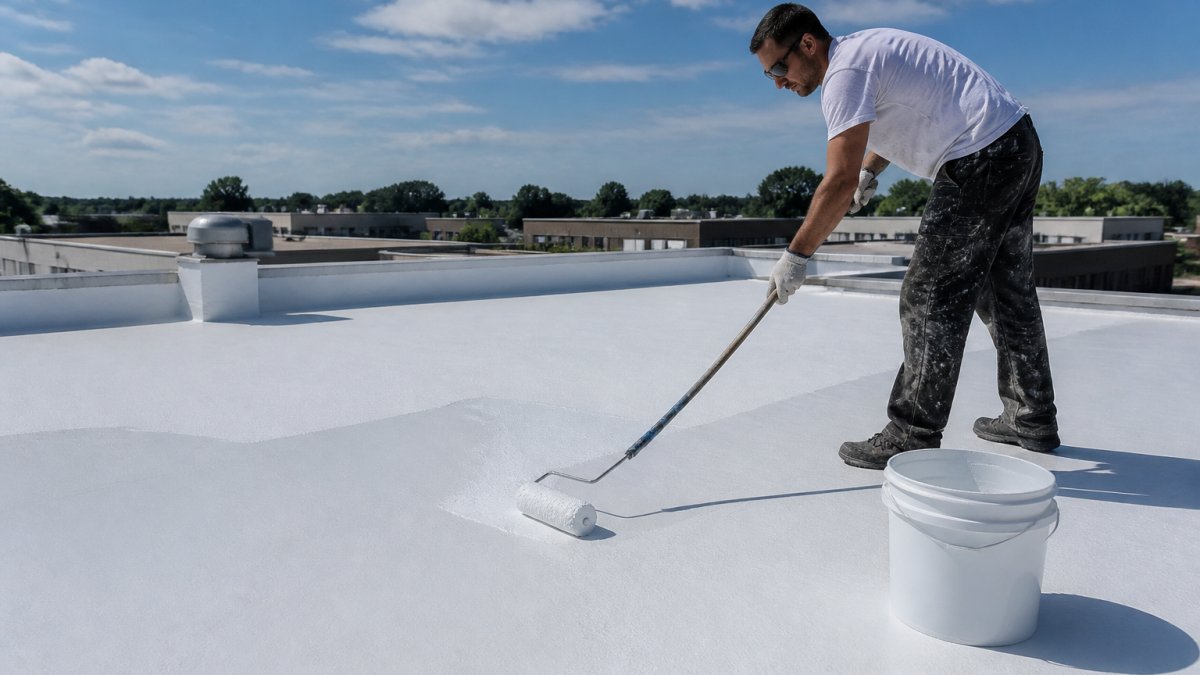
Cool roof coatings are liquid-applied membranes that reflect solar radiation and release absorbed heat, lowering surface temperature on commercial roofs. This guide from ARRC Ltd explains what that means for energy bills, roof lifespan and maintenance. The benefits of cool roof coatings for commercial buildings start with one principle: a roof that stays cooler transfers less heat into the building below.
Reflectance and Emissivity Explained Simply
Two numbers decide how well a coating performs. Solar reflectance is the proportion of sunlight a surface bounces back rather than absorbs. Thermal emissivity is how readily a surface radiates stored heat back into the sky.
A white coating with high values on both measures stays dramatically cooler than a dark bitumen or felt surface under the same sun. The BRE guidance on solar reflective roofing sets out how these properties are measured and specified for UK buildings. Get either value wrong and the roof still heats up.
Commercial Roof Coating Energy Savings You Can Expect
Savings depend on the roof area, insulation beneath it, and how the space below is used. A well-insulated warehouse will feel less benefit than an older unit with a thin or failing deck.
Where cool roof coatings make the clearest difference:
- Top-floor spaces that overheat in summer
- Buildings with air conditioning running hard from May to September
- Large uninterrupted flat roofs with direct sun exposure
- Older commercial stock with minimal insulation
Reducing HVAC Load in Summer
The mechanism is straightforward. A cooler roof surface means less heat conducted into the building, so chillers and air handling units work less to hold setpoint temperatures. That reduces run hours and, in turn, running costs.
We would not promise a fixed percentage saving, because no two buildings behave the same. The reliable approach is to treat coating as part of a package: coating plus insulation plus sensible ventilation control. The UK government guidance on building regulations and energy efficiency is the reference point for what your building should be achieving.
Reflective Roof Coating for Flat Roofs: Where It Works Best
Reflective roof coating for flat roofs performs best on sound, well-drained, low-slope decks with minimal ponding and good solar access. It suits large commercial roofs where mechanical plant, rooflights and drainage are already in reasonable order.
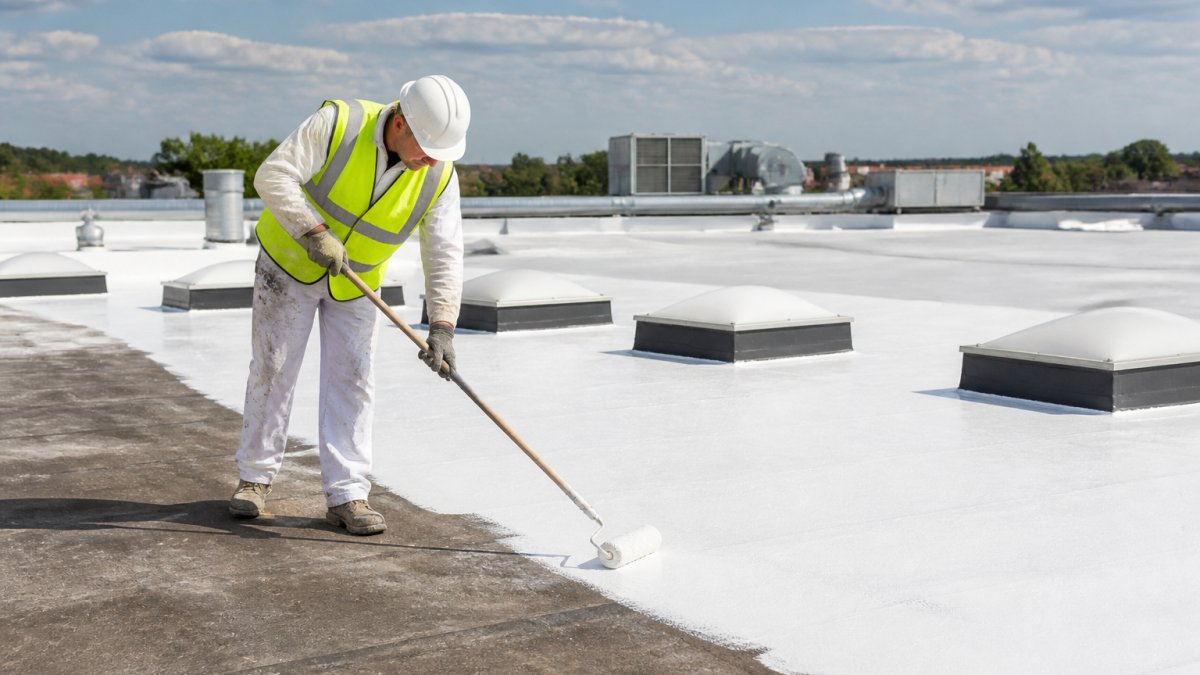
It is a poor fit where standing water sits for days, where the existing membrane is blistered or split, or where the deck itself is failing. Coating over a wet roof traps moisture and the problem returns. Fix the drainage and the substrate first, then coat.
Roof Coating Lifespan: How Long the Benefits Last
Roof coating lifespan typically runs from several years to well over a decade, depending on product type, surface preparation, foot traffic and maintenance. Reflectance fades as dirt and biological growth accumulate, so performance drops before the membrane itself fails.
What shortens lifespan:
- Poor surface preparation before application
- Ponding water sitting on the coating
- Heavy foot traffic without protection
- Skipping periodic cleaning
What extends it: correct priming, adequate dry film thickness, and a simple annual inspection. Recoat while the existing layer is still intact rather than waiting for failure.
Extending Roof Life and Cutting Waste
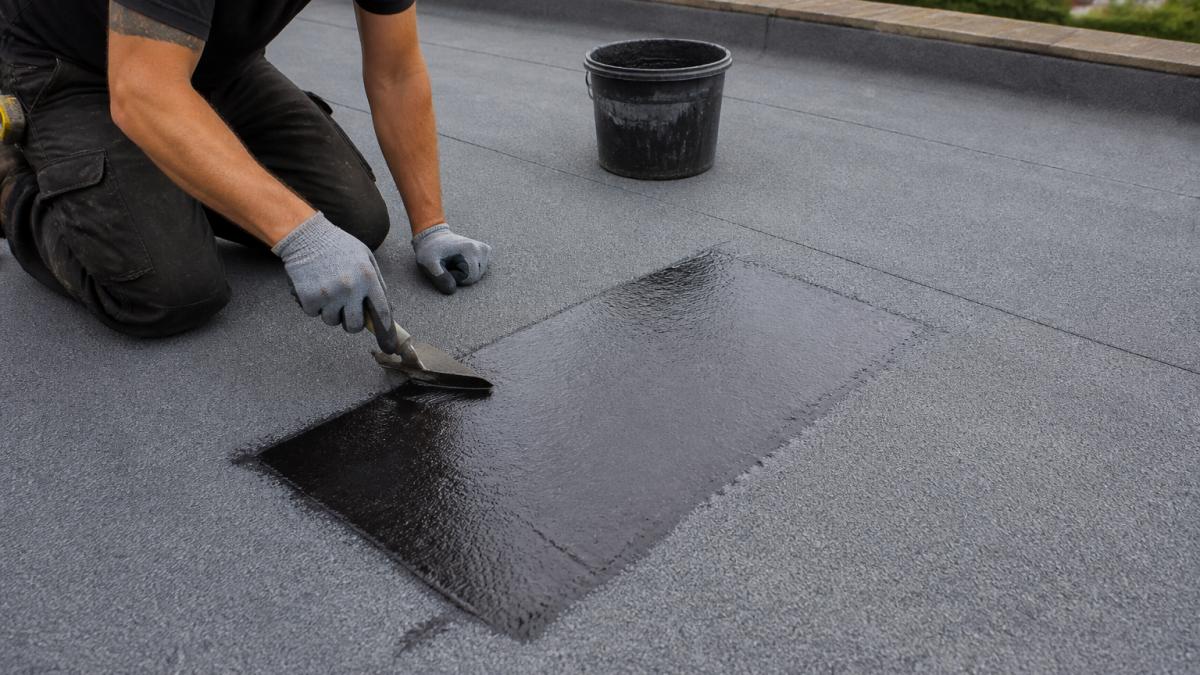
A coated roof avoids the waste of a full tear-off. Instead of stripping and disposing of the existing membrane, the coating renews the waterproofing surface and adds a reflective layer in one operation.
That matters commercially. Fewer skips, less disruption to the building below, and a shorter programme. It also protects the existing membrane from UV degradation, which is a leading cause of premature flat roof failure. Our team at ARRC Ltd has over 30 years of experience on flat roofs, and renewing a sound deck is almost always kinder to the building than ripping it off.
Commercial Flat Roof Maintenance After Coating
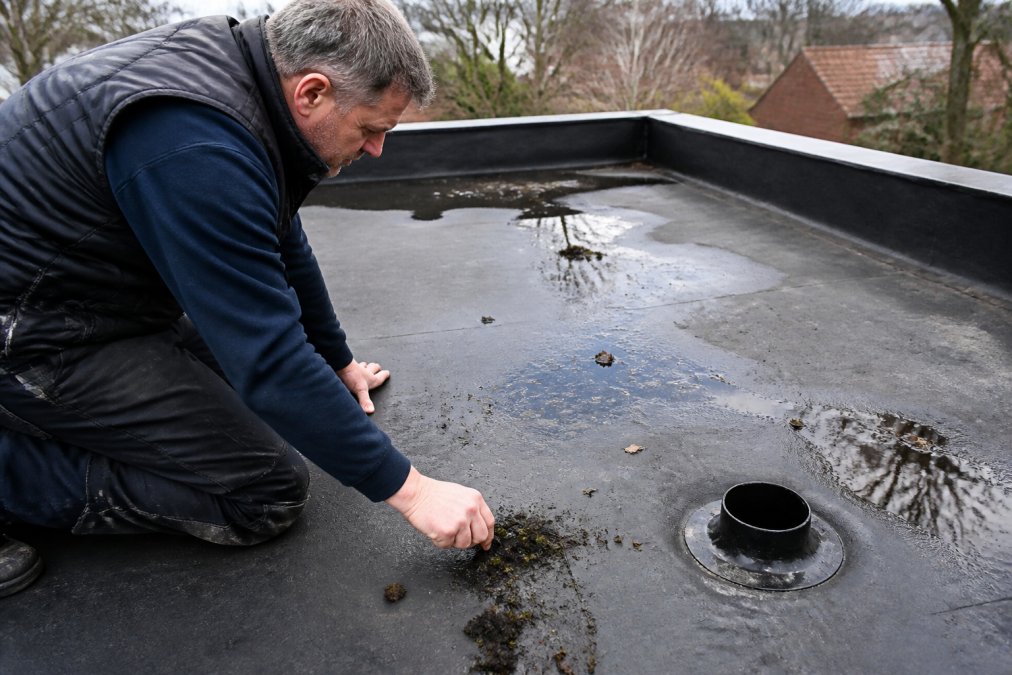
Commercial flat roof maintenance after coating is simple but not optional. A coated roof needs clearing of debris, checking of outlets and inspection of seams and details at least once a year, ideally before winter.
A practical annual routine:
- Clear leaves and grit from outlets and gutters
- Check for ponding after heavy rain
- Inspect seams, upstands and penetrations
- Wash off heavy soiling to restore reflectance
- Record any blisters or splits and act early
A short checklist beats a reactive call-out. Most coating failures we see are maintenance failures, not product failures.
Drawbacks and Things to Check Before You Coat
Cool roof coatings are not a universal fix. Honest limitations exist, and you should know them before committing.
| Consideration | What to Check | Why It Matters |
|---|---|---|
| Substrate condition | Blisters, splits, wet insulation | Coating will not fix a failing deck |
| Drainage | Ponding and outlet capacity | Standing water kills coating life |
| Winter performance | Condensation risk in the space below | A cooler roof can affect internal moisture |
| Reflectance fade | Cleaning regime | Benefits drop as dirt builds up |
| Cost vs replacement | Remaining deck life | Coating is wasted on a deck near end of life |
The condensation point catches people out. In some occupied buildings, a cooler roof surface can shift where moisture forms, so ventilation must be adequate. Check this before you coat, not after.
Conclusion
Getting the benefits of cool roof coatings for commercial buildings depends less on the product than on the roof underneath it: sound deck, working drainage, correct preparation. Get those right and the coating does its job for years.
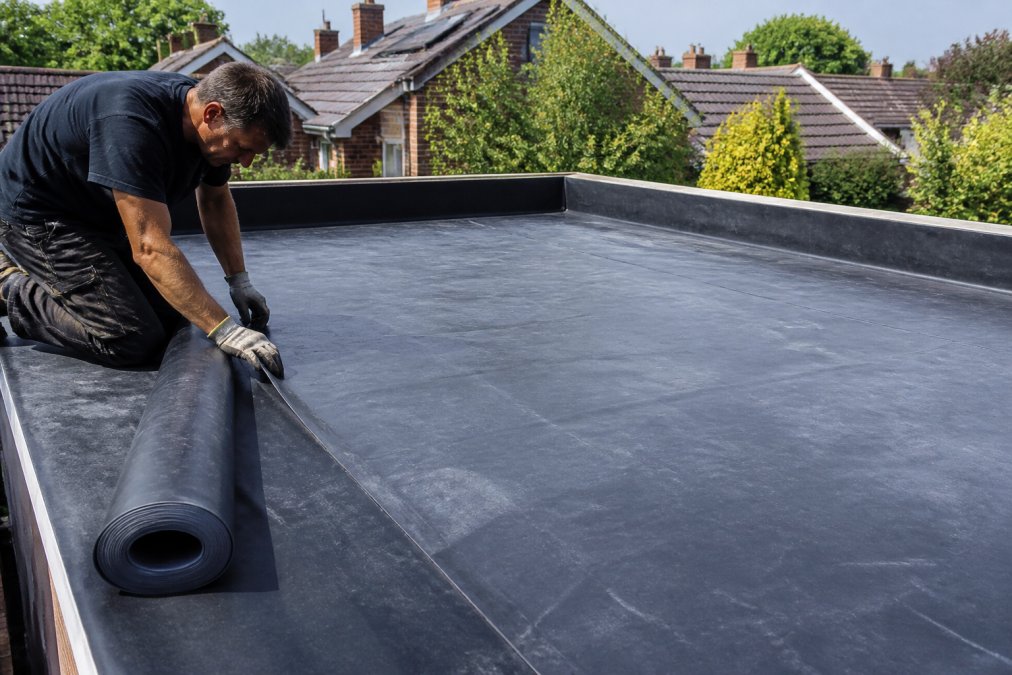
At ARRC Ltd, we have over 30 years of experience in flat roofing and EPDM rubber systems, backed by a 20-year guarantee on our flat rubber roofs. We survey the deck, specify the right approach and handle fascias, soffits and guttering in the same visit. Get a quote and we will tell you honestly whether coating or replacement is the better call for your building.
Frequently Asked Questions
What are the main benefits of cool roof coatings for commercial buildings?
Cool roof coatings reflect more sunlight than standard roofing surfaces, which lowers the surface temperature and reduces the heat passing into the building. For commercial properties, the practical benefits are lower summer cooling bills, less strain on HVAC plant, a longer roof coating lifespan when maintained, and fewer disruptions than a full strip-and-replace. They also keep the existing waterproof layer in place, so the building stays watertight during the work. How much you save depends on the roof's size, insulation, use and condition, so it is worth getting a survey before committing.
Do cool roof coatings really deliver commercial roof coating energy savings?
They can, but the size of the saving depends on the building. A poorly insulated warehouse with a large dark flat roof and heavy cooling demand stands to gain far more than a well-insulated, lightly occupied office. The coating reduces the heat entering through the roof, which lowers the cooling load on air conditioning. To judge likely savings, ask for a survey that notes the current roof surface, insulation levels and cooling equipment. Treat any quoted percentage with caution until it is tied to your specific building.
How long does a roof coating lifespan typically run?
A roof coating lifespan depends on the product, the surface it is applied to, foot traffic and how well the roof is maintained. Most coatings need reapplication or a refresher coat well before the underlying waterproof membrane reaches the end of its life. Keeping the surface clean, clearing drainage and avoiding unnecessary foot traffic all help. Ask the installer what maintenance schedule they recommend and whether the coating is covered by a guarantee, since that is the clearest indicator of expected service life.
Are cool roof coatings suitable for flat roofs and older commercial buildings?
Reflective roof coating for flat roofs is a common choice because flat surfaces are easy to coat and often have the most solar exposure. Suitability depends on the roof's condition: the existing membrane must be sound, dry and properly prepared, and any leaks or blisters need fixing first. Older roofs can be good candidates if the substrate is stable, but a survey is essential. If the roof is saturated or failing, coating over it will not solve the problem and replacement may be the better route.