 how-to
How can you safely walk on a rubber roof?
Last Updated: October 24, 2026
Quick Summary
You can safely walk on a rubber roof by assessing slope and membrane condition first, wearing rubber-soled shoes with good traction, moving slowly with deliberate steps, and using fall protection. Never walk on wet EPDM, slopes steeper than 4 degrees, or roofs with significant damage.
- Wait at least 2-3 hours after rain before walking on EPDM to ensure the membrane is completely dry
- Wear shoes with thick rubber soles at least 5mm thick designed for grip on smooth surfaces
- Measure roof slope by checking rise over a 3.6 metre run; avoid walking if it rises more than 30cm
- Attach a safety harness to an anchor point that supports at least 5,400 kilograms of force
- Never walk on a rubber roof alone; always have a second person present to monitor safety
Table of Contents
- Can you walk on an EPDM roof safely?
- Assess the roof slope and walking difficulty before stepping onto it
- Check roof condition and membrane integrity before access
- Best footwear for walking on a rubber roof safely
- How to walk on an EPDM roof without damaging it
- EPDM roof inspection and maintenance after walking
- When to avoid walking on your rubber roof
- Frequently Asked Questions
Can you walk on an EPDM roof safely?
Yes, you can safely walk on a rubber roof when it's an EPDM membrane, but it requires careful planning and proper technique to avoid damaging the membrane. EPDM membranes are durable, but they're not designed for heavy foot traffic.
The key is understanding what makes rubber roofs different. Unlike tile or metal roofs, EPDM membranes are soft and flexible. They grip well in dry conditions but become slippery when wet.
This guide covers everything you need to know about safely walking on your EPDM roof, from checking slope and membrane condition to the right equipment and maintenance steps afterward.
Assess the roof slope and walking difficulty before stepping onto it
Before you even think about climbing onto your roof, measure the slope and evaluate how difficult it will be to walk on. EPDM roofs are common on low-slope and flat roofs, which are easier to access than pitched roofs.
Check the roof slope. Most flat roofs have a slight pitch to help water drain. If your roof slopes more than 4 degrees, it becomes significantly harder to walk on safely. Measure the rise over a 3.6 metre run. A rise of more than 30cm over this distance indicates a slope that requires extra caution.
Evaluate the walking surface. Look at the roof from the ground before climbing up. Ask yourself:
- Is the surface covered in debris, leaves, or standing water?
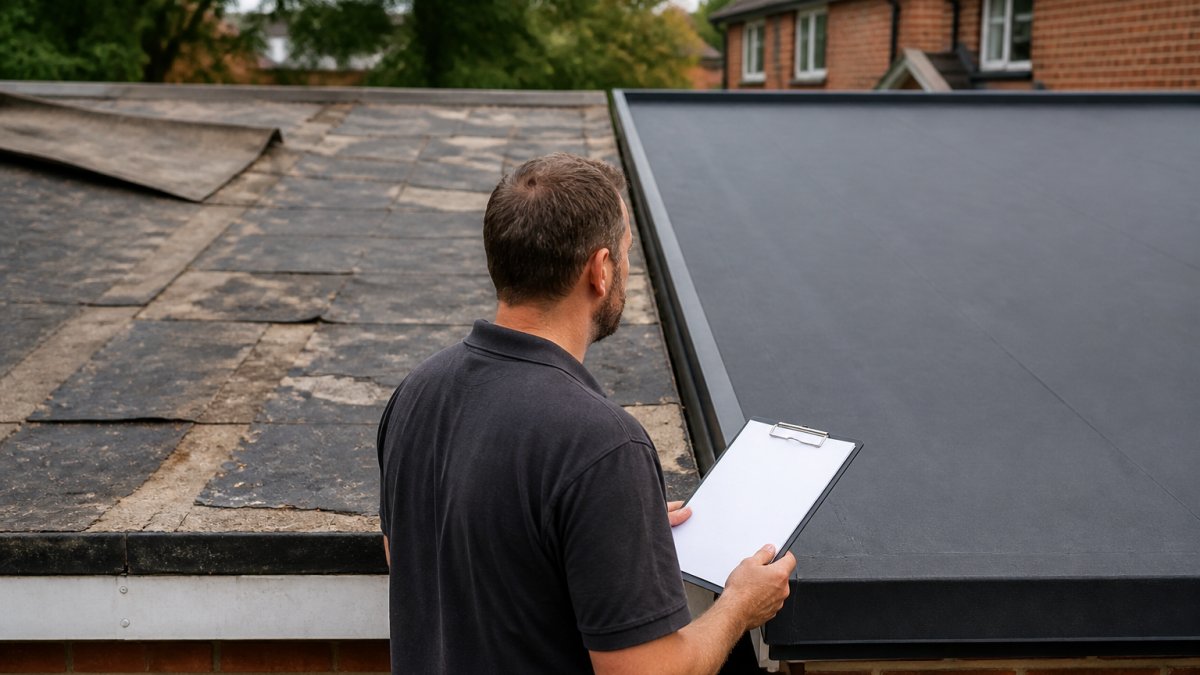
- Are there any visible cracks, punctures, or blisters in the membrane?
- Can you see the roof edge clearly, or is it obscured?
- Are there roof penetrations (vents, pipes, flashing) that could create trip hazards?
Consider weather conditions. Never walk on a rubber roof when it's wet, icy, or recently rained. Water makes EPDM extremely slippery. Even a light drizzle reduces friction dramatically. Wait until the membrane is completely dry, at least 2-3 hours after rain stops.
Assess access difficulty. Is your ladder long enough to reach the roof safely? If accessing the roof requires awkward ladder angles or stretching, it's time to call a professional. Is Rubber Roofing Good for Low Slope Roofs? explains how roof slope affects walkability in detail.
Check roof condition and membrane integrity before access
Walking on a damaged rubber roof can make small problems catastrophic. Inspect the membrane carefully before you step onto it.
Look for visible damage. From the ground or using binoculars, scan the entire roof for:
- Punctures, tears, or holes
- Blisters or bubbles in the membrane (these indicate trapped moisture)
- Seams that are separating or lifting
- Areas where the membrane is cracked or deteriorating
- Flashing that's pulling away from the roof edge
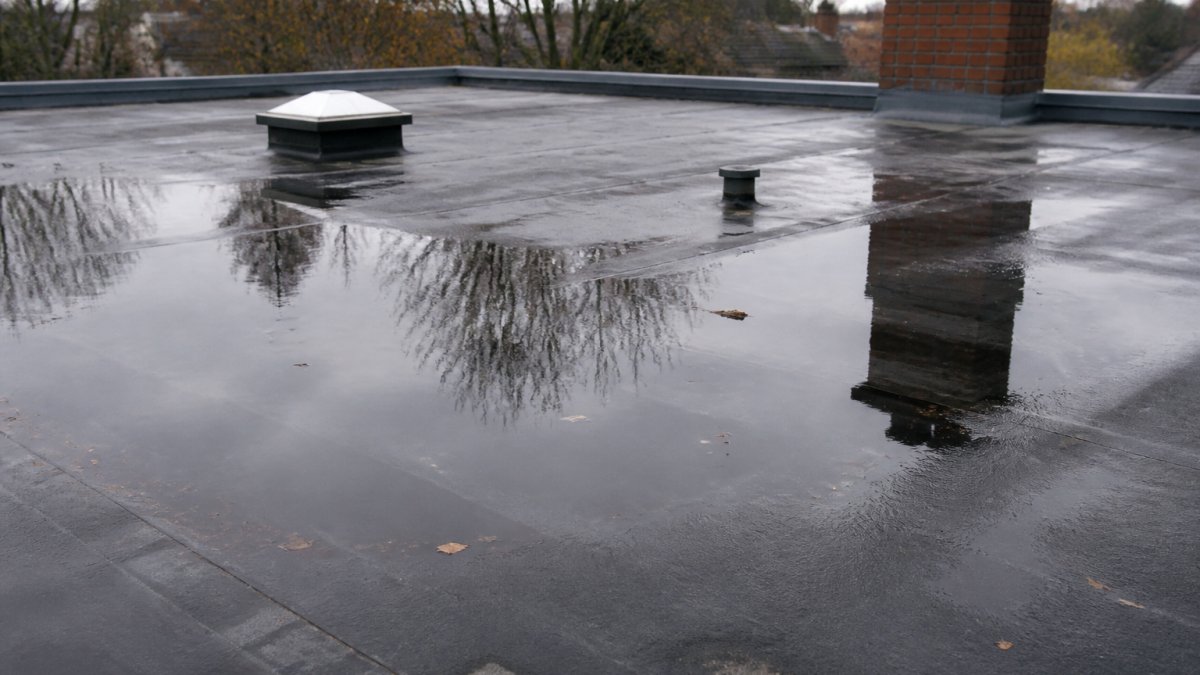
Check for pooling water. Standing water on an EPDM roof can hide damage underneath.
Test the membrane condition. If you can safely reach a small area, press gently on the EPDM with your hand. The membrane should feel firm but slightly flexible.
Identify anchor points. Before climbing onto the roof, locate solid anchor points where you can attach a safety harness or fall protection line.
If you find significant damage, don't walk on the roof. Contact a professional for inspection and repair.
Best footwear for walking on a rubber roof safely
Your shoes make an enormous difference in how safely you can walk on an EPDM roof. The right footwear provides traction, stability, and protection against punctures.
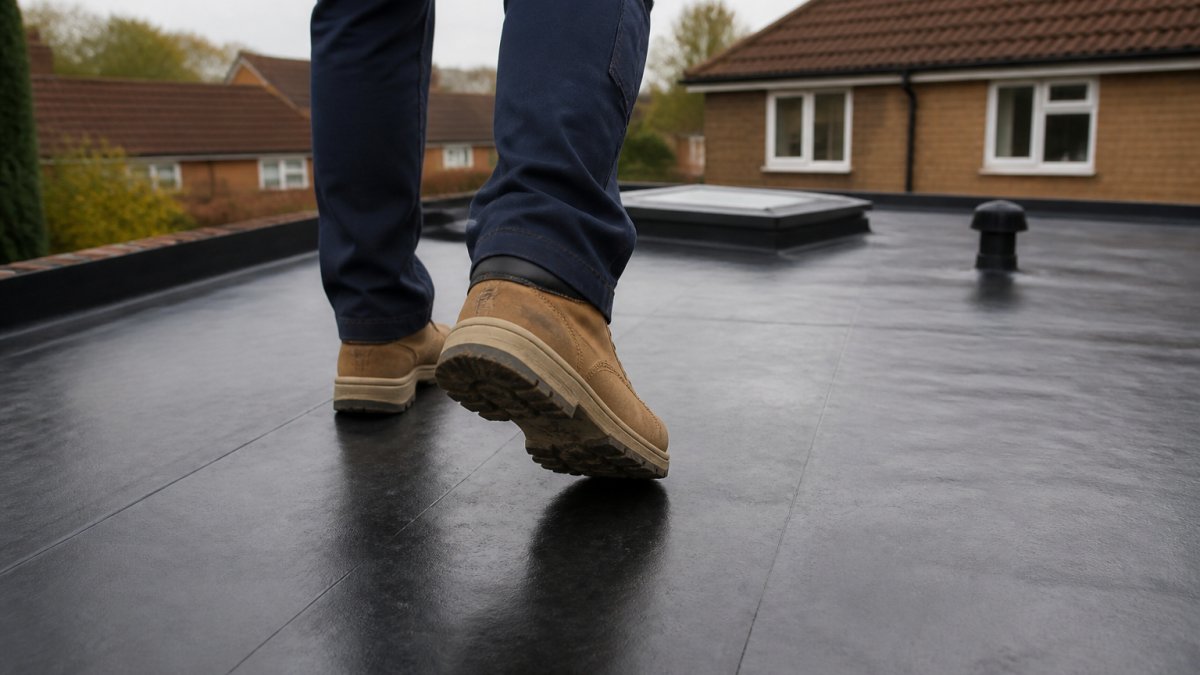
Choose rubber-soled shoes. EPDM grips best with soft rubber soles. Look for shoes with:
- Thick, flexible rubber soles (at least 5mm thick)
- Treads designed for grip on smooth surfaces
- A wide base for stable footing
- Ankle support to prevent rolling your foot
Avoid hard-soled shoes like dress shoes or work boots with rigid soles. They slide easily on rubber membranes. Canvas trainers with rubber soles work reasonably well.
Inspect your shoes before climbing. Check the soles for:
- Worn treads that have lost grip
- Cracks or damage in the rubber
- Embedded dirt or debris that reduces friction
- Loose or peeling sections
Clean your soles thoroughly before stepping onto the roof. Dirt, grease, or dust reduces traction significantly.
Avoid puncture hazards. Wear sturdy shoes that protect your feet from sharp objects on the roof.
Consider specialist roofing footwear. If you're going to walk on your rubber roof regularly, invest in shoes designed for roof work. These have enhanced grip, puncture-resistant soles, and better ankle support.
How to walk on an EPDM roof without damaging it
Once you've checked the slope, assessed the membrane condition, and put on proper footwear, you're ready to walk carefully across your rubber roof. The technique matters as much as the preparation.
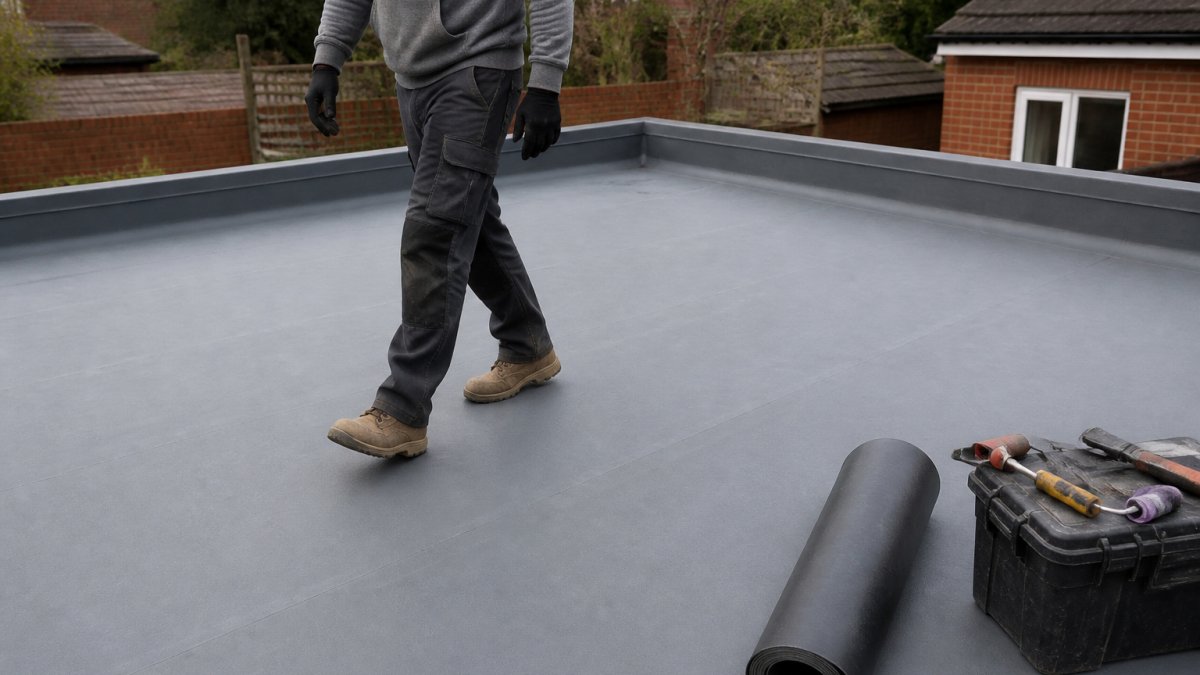
Maintain balance and stable footing at all times
Walking on a rubber roof requires deliberate, controlled movement. Speed and sudden changes in direction are your enemies.
Move slowly and deliberately. Take small steps. Avoid running, jumping, or sudden direction changes. Each step should be purposeful and controlled.
Keep your weight centered. Lean slightly forward from the ankles, not the waist. Keep your centre of gravity directly over your feet.
Maintain three points of contact. If you're near a roof edge or penetration, keep at least three limbs in contact with the roof or a safety rail. This might mean crawling or moving on hands and knees in high-risk areas.
Avoid sudden movements. Don't twist your body sharply or pivot on one foot. If you need to change direction, stop, reorient your body, then move forward again.
Watch for trip hazards. Roof vents, flashing, and debris create trip hazards. Scan the ground ahead of each step. Lift your feet high enough to clear obstacles.
Use fall protection and secure ladder setup
If your roof has any slope or you're working at height, fall protection isn't optional, it's essential.
Secure your ladder. Position the ladder at a 75-degree angle (one foot out for every four feet up). Ensure the base sits on level, stable ground. Use ladder feet or stabilisers if the ground is soft. Have someone hold the ladder base while you climb, or use a ladder stabiliser bar.
Attach a safety harness. Wear a full-body safety harness connected to a secure anchor point. The anchor must support at least 5,400 kilograms of force.
Use a roof walkway if available. Some EPDM roofs have permanent walkways, marked paths designed to distribute weight safely. These reduce damage risk and improve traction.
Have a second person present. Never work on a roof alone. Your companion can hold the ladder, monitor your safety, and call for help if something goes wrong.
Wear a high-visibility vest. Make yourself visible to anyone nearby. This helps prevent accidents and shows you're taking safety seriously.
Keep the walking surface clear of clutter
Before you walk across your rubber roof, clear the path of anything that could damage the membrane or cause you to trip.
Remove debris. Pick up leaves, twigs, and dirt. Use a soft broom if needed, not a hard brush that could damage the membrane.
Clear standing water. If there are puddles, drain them safely or walk around them. Standing water makes the membrane slippery and can hide damage.
Secure loose items. Tie down or remove any tools, equipment, or materials you've brought onto the roof.
Mark hazards. If there are roof penetrations, vents, or damaged areas, mark them clearly so you don't accidentally step on them. Use bright tape or cones if available.
EPDM roof inspection and maintenance after walking
After you've walked on your rubber roof, inspect it thoroughly for damage you may have caused.
Check for new punctures or tears. Walk the entire roof again, this time looking specifically for damage your footsteps might have caused.
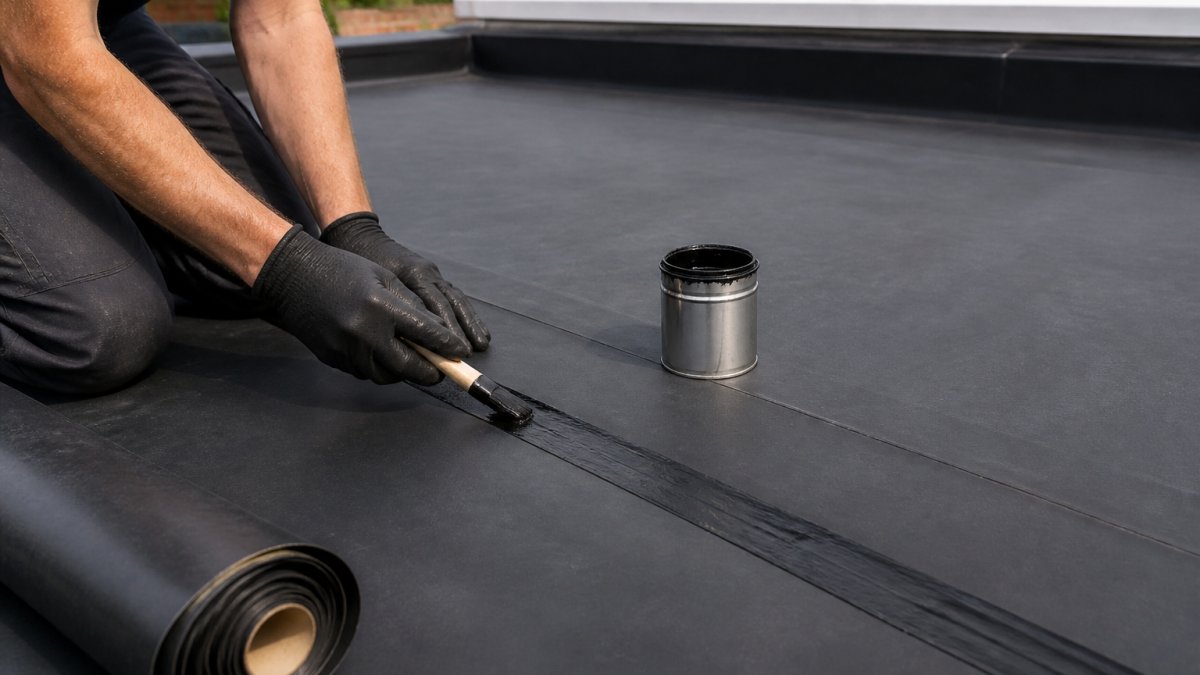
Inspect seams and flashing. Make sure your walking didn't loosen seams or lift flashing. Check that all seams are still sealed and flashing is sitting properly against the roof.
Look for membrane stress. If you walked on areas with blisters or soft spots, check whether you've made them worse.
Document what you found. Take photos of the roof condition. This creates a record for future reference and helps a professional understand what you've observed. How to Maintain Rubber Roofing: A 2026 Guide provides comprehensive maintenance guidance after you've accessed your roof.
Plan for professional inspection. If you noticed any damage, even small punctures or separated seams, schedule a professional inspection. ARRC Ltd can assess the damage and recommend repairs.
When to avoid walking on your rubber roof
Sometimes the safest choice is not to walk on your roof at all. Know when to step back and call a professional.
Don't walk on a wet or damp roof. Water makes EPDM dangerously slippery.
Avoid walking on a roof in extreme heat. EPDM becomes softer and more flexible in hot weather.
Skip it if the slope is steep. If your roof slopes more than 4 degrees, walking on it without fall protection is risky. Professional roofers have equipment and training you don't have.
Avoid walking alone. Never access your roof without someone present. If you fall or get injured, you need help immediately.
Skip DIY work if you're uncomfortable with heights. Fear of heights affects your balance and decision-making. There's no shame in hiring a professional.
Walking on a rubber roof is possible when you prepare carefully and follow proper technique. Our team can assess your EPDM roof, identify any damage, and handle maintenance or repairs you can't safely do yourself. Get in touch with ARRC Ltd and we'll arrange a free inspection.
Skip walking on your rubber roof in these situations where the risks outweigh the benefits.
| Situation | Reason to avoid | Minimum safe condition |
|---|---|---|
| Wet or damp roof | EPDM becomes dangerously slippery | Wait 2-3 hours after rain stops |
| Extreme heat | Membrane softens and damages easily | Below 30°C |
| Roof slope over 4 degrees | Risk of falling without fall protection | Slope under 4 degrees |
| Significant damage present | Walking stresses compromised membrane | No large tears or widespread blistering |
| Working alone | No help available if you fall or injure | Always have second person present |
| Unfamiliar roof | Unknown condition and structural integrity | Professional inspection completed first |
Frequently Asked Questions
Can you walk on an EPDM roof without causing damage?
Yes, you can walk on an EPDM rubber roof safely if you follow proper precautions. Wear soft-soled shoes with good grip, walk slowly and deliberately, and avoid dragging objects or sharp tools across the membrane. EPDM is durable, but the surface can be punctured or torn by careless movement. Most damage occurs from neglecting basic safety steps or ignoring warning signs of roof deterioration before stepping on it.
What footwear is safest for walking on a rubber roof?
Soft-soled shoes with maximum grip are essential. Choose trainers or work boots with rubber soles that provide traction without scuffing the membrane. Avoid hard-soled shoes, metal-studded footwear, or anything with rough edges that could catch or puncture the EPDM surface. Clean the soles before stepping onto the roof to remove grit and debris that could act as slip hazards or cause friction damage.
When should you not walk on a rubber roof?
Avoid walking on your EPDM roof during or immediately after rain, when the membrane is wet or frosty, or during high winds that affect balance. Do not access the roof if it shows visible damage, pooling water, or membrane separation. In extreme weather, poor light, or if you feel unsafe, hire a professional. If the roof is steep or you lack fall protection equipment, professional inspection is the safer choice.
How do you inspect an EPDM roof safely after walking on it?
After walking on the roof, check for any new damage you may have caused: scuff marks, punctures, or seam separation. Look for existing issues like membrane tears, pooling water, or flashing problems. Document damage with photos and contact a professional roofer if you spot concerns. Regular inspection by trained professionals with proper fall protection is recommended; DIY inspection should only occur on low-slope roofs in good weather with appropriate safety measures in place.