 comparison
Is EPDM Rubber Better Than Felt for Flat Roofs?
Last Updated: November 1, 2026
Quick Summary
EPDM rubber is generally better than felt for flat roofs because it lasts longer, needs less maintenance and has far fewer seams where leaks start. Felt is cheaper upfront, but EPDM rubber costs more on day one and delivers stronger long-term value.
- EPDM rubber is a single-ply synthetic rubber membrane; felt is a layered bitumen product built up in sheets.
- Felt roofing is usually cheaper to buy and install, while EPDM costs more upfront.
- A well-installed EPDM membrane is generally expected to last longer than a felt covering.
- Leaks almost always start at seams and joints, and felt has far more laps than rubber.
- Never install either system over a wet or rotten deck, as trapped moisture causes premature failure.
Table of Contents
- EPDM Rubber vs Felt Roofing: How the Two Materials Compare
- EPDM vs Felt Roofing Cost: Upfront Price and Long-Term Value
- EPDM Roof Lifespan Compared with Felt
- EPDM Roofing Pros and Cons for Property Owners
- Seams, Joints and Leak Risk: Where Each System Fails
- Installation, Roof Deck Compatibility and DIY Suitability
- Best Roofing Material for a Flat Garage Roof
- Get a Flat Roof Quote from ARRC Ltd
- Frequently Asked Questions
EPDM Rubber vs Felt Roofing: How the Two Materials Compare
EPDM rubber and felt roofing are the two most common flat roof coverings on homes and garages, and the choice between them shapes how long the roof lasts, how often it leaks and what it costs to keep watertight. The honest answer is that they suit different budgets and different buildings. This guide compares EPDM rubber vs felt roofing materials on cost, lifespan, weather resistance, seams, installation and repair, so you can choose with your eyes open rather than on a salesman's say-so.
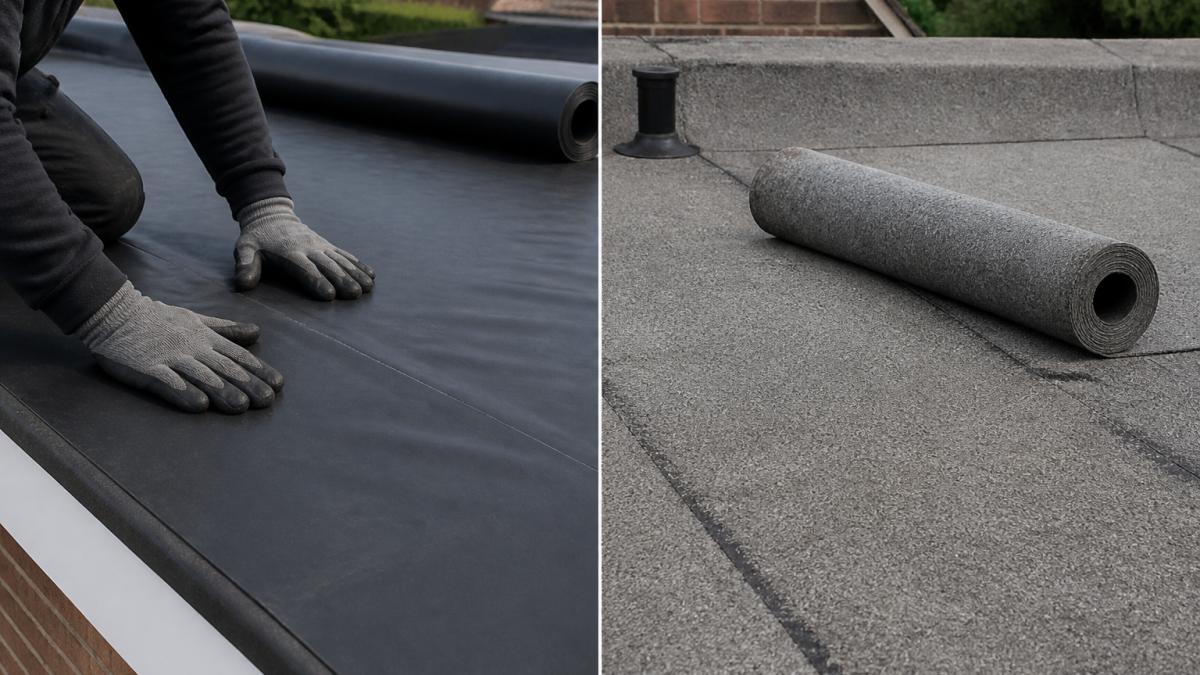
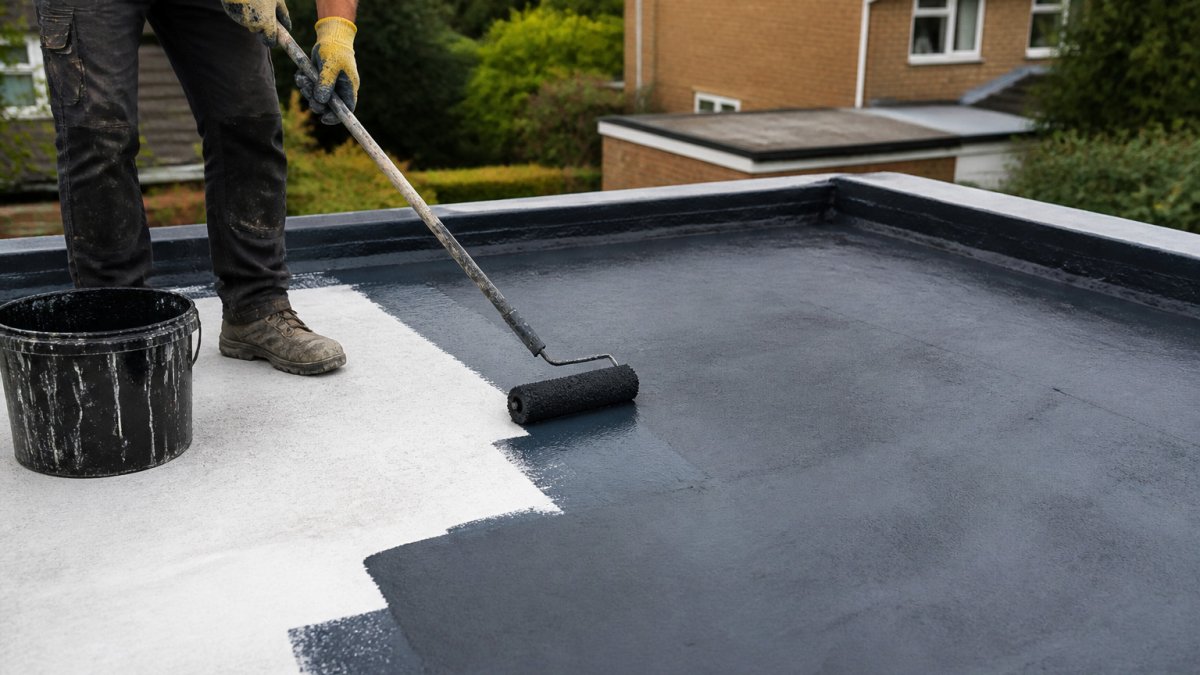
The short version: EPDM rubber is a single-ply synthetic rubber membrane, while felt roofing is a layered bitumen product built up in sheets. One is glued or bonded as a continuous skin; the other is lapped and sealed in strips. That single structural difference explains nearly every practical trade-off that follows.
Material Composition and Construction
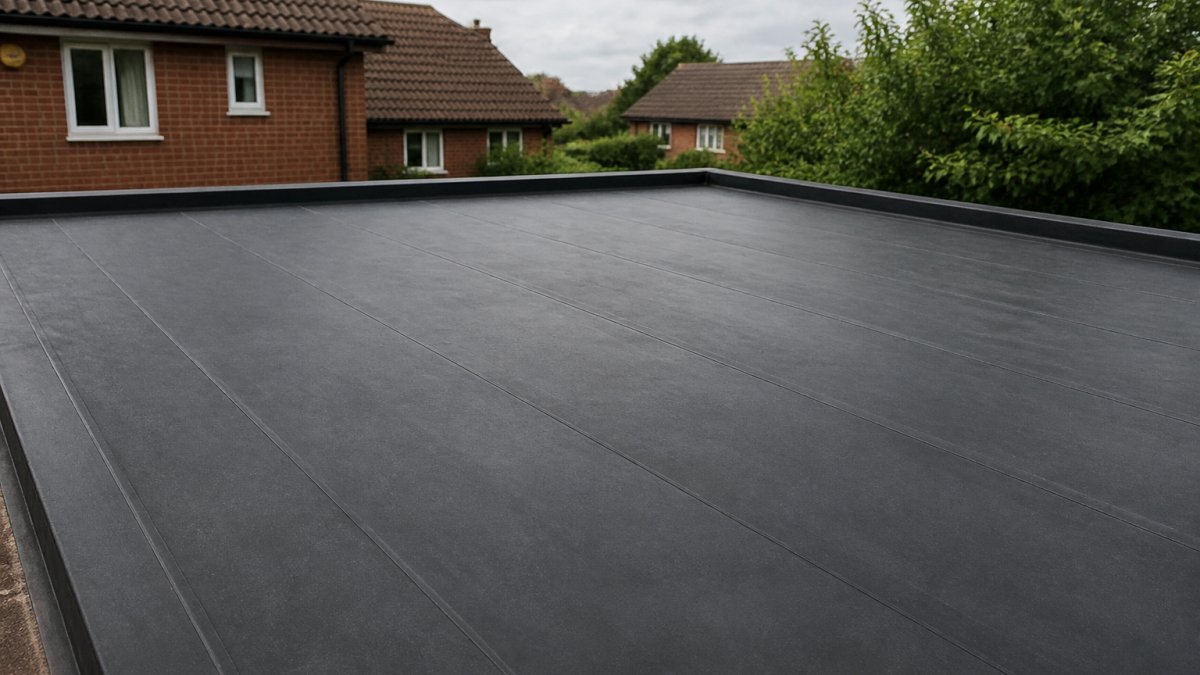
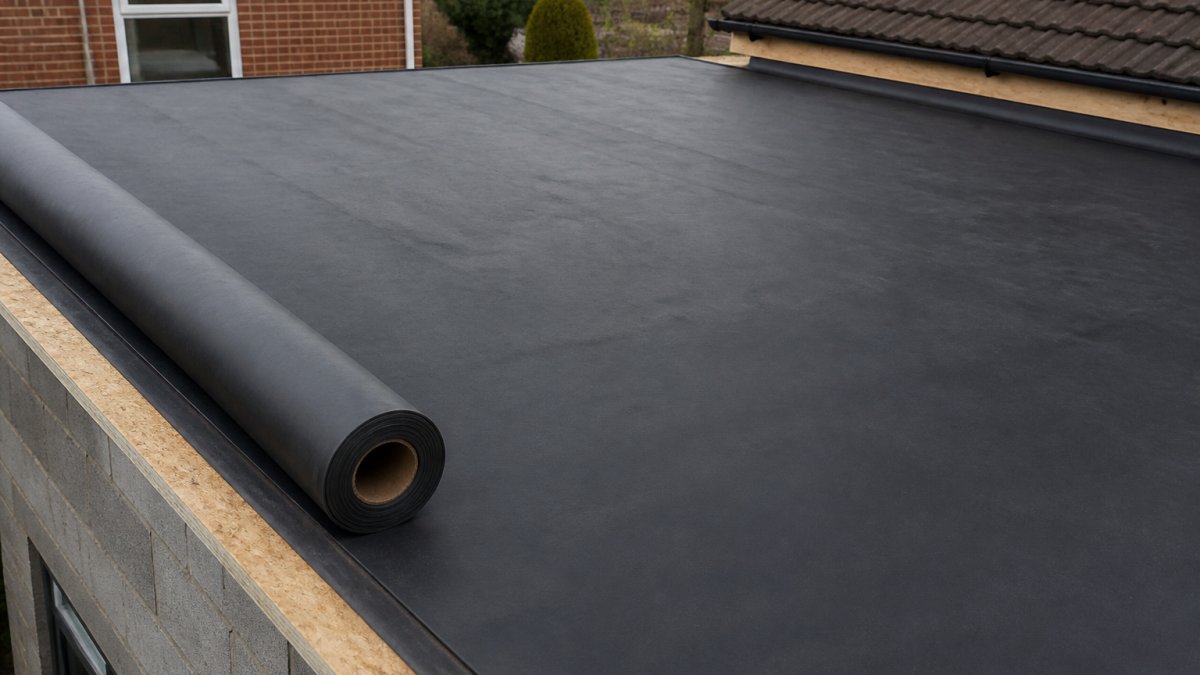
EPDM rubber is a synthetic rubber membrane made from ethylene propylene diene monomer, supplied as a wide, flexible sheet with few or no seams on a typical garage or extension. Felt roofing is a bitumen-based sheet, usually reinforced with a carrier such as polyester or glass fibre, installed in overlapping layers and bonded with adhesive or heat.
The construction difference matters more than the chemistry. If you want the detail on what the rubber membrane is actually made from, our guide on what EPDM roofing is made of explains the materials layer by layer.
Weather Resistance and Waterproofing
EPDM rubber handles weather resistance and waterproofing better than felt in almost every flat roof scenario. The membrane is generally understood to stay flexible through temperature changes and resist UV exposure, while felt is generally understood to harden and become brittle over time.
Standing water is the real test. Flat roofs rarely drain perfectly, and ponding water punishes a brittle surface. Rubber copes with occasional pooling far better than felt, though neither system should be left with permanent standing water: correct falls and clear outlets matter whichever material you choose.
EPDM vs Felt Roofing Cost: Upfront Price and Long-Term Value
On upfront cost, felt roofing is usually the cheaper option to buy and install, while EPDM rubber costs more on day one but needs less maintenance and fewer repairs over its life. That is the standard shape of the EPDM vs felt roofing cost debate, and it holds true in most cases.
We do not publish fixed prices because every roof differs by size, deck condition, access and detailing, and quoting a figure we have not surveyed would be guesswork. What we can do is set out the cost drivers and a framework for comparing total spend over a realistic ownership period, so you can weigh the options on your own terms.
Like-for-Like Lifecycle Cost Comparison
A like-for-like comparison should count the whole life of the roof, not just the invoice. Felt typically needs more frequent attention, and EPDM usually means a higher initial outlay followed by a long, low-maintenance stretch. The table below summarises how the two compare on the factors that drive total cost.
| Factor | EPDM Rubber | Felt Roofing |
|---|---|---|
| Upfront cost | Higher | Lower |
| Maintenance frequency | Low | Higher |
| Repair approach | Patch or bond | Patch or reseal laps |
| Replacement cycle | Longer | Shorter |
| Long-term value | Stronger | Weaker |
The exact figures depend on your roof, but in general the longer you intend to stay, the more lifecycle costs tend to favour the more durable covering.
For a fuller benchmark across materials, our breakdown of flat roof lifespan by material sets EPDM against felt and the main alternatives.
EPDM Roof Lifespan Compared with Felt
EPDM roof lifespan comfortably outstrips felt in normal conditions. A well-installed membrane on a sound deck is generally expected to last longer than a felt covering. Felt's service life is shortened by UV exposure, temperature changes and foot traffic, and each repair buys time rather than restoring the roof.
Rubber's durability comes from its elasticity. It moves with the building instead of fighting it, so it survives the freeze-thaw cycles and summer heat that crack a brittle bitumen surface. The catch is installation quality: a poorly bonded EPDM roof will fail early, so the fitter matters as much as the material.
EPDM Roofing Pros and Cons for Property Owners
EPDM roofing pros and cons come down to paying more upfront for a covering that asks far less of you afterwards. The advantages are durability, flexibility, strong water resistance and few seams to fail.
Felt's pros are its lower price and wide availability; its cons are a shorter lifespan, more joints and a greater appetite for maintenance. For a homeowner weighing a one-off spend against years of small repairs, rubber usually wins on peace of mind. Where felt still makes sense is a low-budget shed roof or a short-term fix before a larger project.
Seams, Joints and Leak Risk: Where Each System Fails
Leaks almost always start at seams and joints, and this is where the two systems diverge most. EPDM rubber is installed as a wide sheet, so a typical garage roof has very few seams, and those are bonded or taped to a high standard. Felt is built from overlapping strips, so every lap is a potential entry point for water, and each one has to stay sealed for the life of the roof.
When a felt roof leaks, the cause is usually a lifted lap, a split at a detail or a failed upstand. Diagnosis means tracing the water back to the joint rather than patching the ceiling stain. With rubber, failures tend to come from poor installation at edges and outlets rather than the membrane itself, which is why we inspect every termination before we call a job done.
Installation, Roof Deck Compatibility and DIY Suitability
Professional installation is the right call for both materials, though EPDM is the less forgiving of the two for a first-timer. The membrane is heavy, the adhesive work has to be clean and the detailing around outlets and upstands decides whether the roof lasts. Felt is more familiar to DIYers, but a neat, watertight result still takes skill.
Roof deck compatibility matters too. Both systems need a sound, dry substrate, and neither will perform on a deck that is soft, wet or uneven. If you already have a felt roof, one common question is whether rubber can go straight over it. Our guide on how to install EPDM over an existing felt roof answers that question.
Roof Deck Compatibility and Installation Constraints
The substrate is the foundation of any flat roof, and its condition dictates which system is appropriate. For EPDM, the deck must be structurally sound, dry and free of sharp edges or protrusions that could puncture the membrane.
Roof shape and drainage also influence the choice. EPDM is flexible and can be detailed around complex shapes, but it needs proper falls to avoid ponding water. Felt is stiffer and less adaptable to intricate details, and its seams can be vulnerable where water stands.
Installer skill is a major constraint. EPDM requires clean adhesive work and precise seaming; a poorly bonded lap or termination will fail. Felt installation is more familiar but still demands care with laps and sealing.
Repair Methods and Failure Diagnosis
When a leak appears, diagnosis is the first step. For felt, leaks often start at lifted laps, splits at details or failed upstands. Trace the water back to the joint rather than patching the ceiling stain. For EPDM, failures tend to come from poor installation at edges and outlets rather than the membrane itself.
Patching is possible for both materials. Felt can be patched with bitumen adhesive and a patch of felt, but this is a temporary fix. EPDM can be patched with a bonded patch and adhesive, which is more durable if done correctly. However, repeated repairs are a sign that the roof is nearing the end of its life.
Best Roofing Material for a Flat Garage Roof
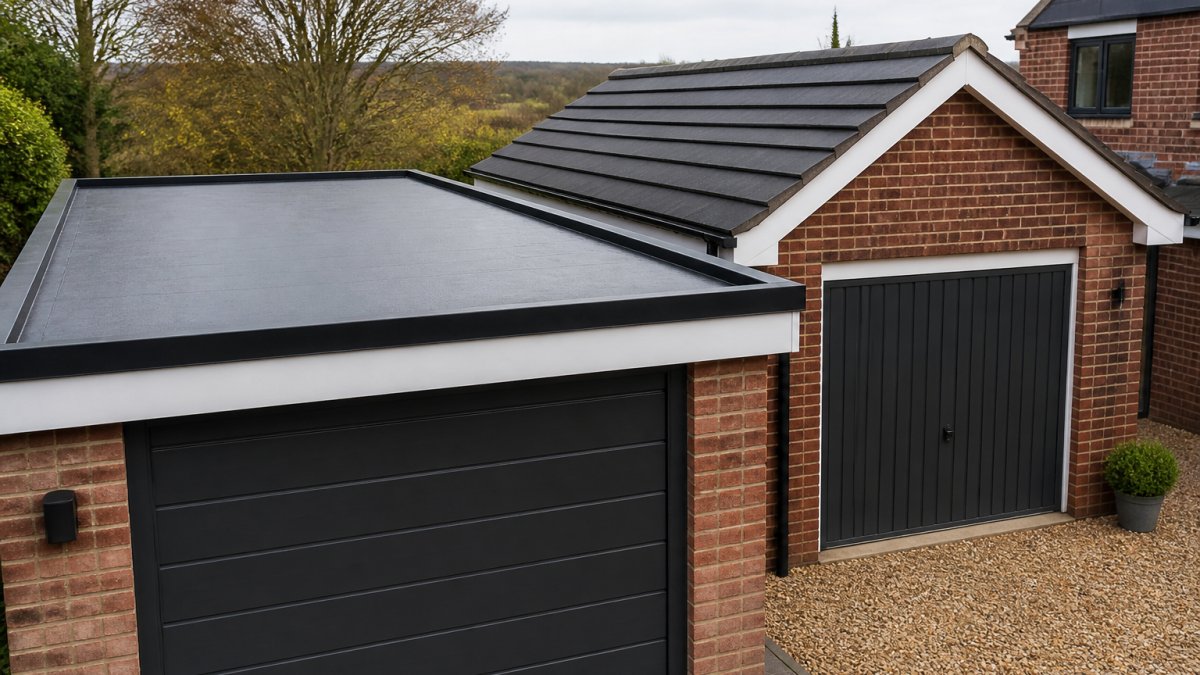
For most garage roofs, EPDM rubber is the best roofing material for a flat garage roof because it combines a long service life with minimal maintenance and very few seams. A garage roof is typically small, simple and awkward to access, which makes a low-maintenance covering worth the extra upfront spend. Felt remains the budget choice, but it will need more attention over the years.
If you are deciding on a material and want the job done properly, you can see our garage flat roofing service and the options we cover.
Get a Flat Roof Quote from ARRC Ltd
Choosing between rubber and felt is easier once someone has looked at your actual roof. ARRC Ltd has over 30 years of experience in flat roofing and EPDM rubber roofing, backed by a 20-year guarantee on our flat rubber roofs and a five-star rating on Rated People.
Before you commit, it is worth checking the credentials of whoever you hire. You can read more about our flat roofing credentials and how we work. Then get in touch for a free, no-obligation quote and we will tell you honestly whether rubber or felt is the right call for your roof.
Frequently Asked Questions
Is EPDM roofing better than felt?
For most flat roofs, EPDM rubber outperforms felt on lifespan and leak resistance. A single-piece EPDM membrane has far fewer seams than a felt system, which is where most leaks begin. EPDM also stays flexible through temperature changes and UV exposure, while felt becomes brittle over time. Felt remains cheaper upfront and suits short-term or budget projects, but EPDM usually wins on long-term value.
How long does EPDM roofing last compared with felt?
EPDM roof lifespan is generally measured in decades when installed correctly. Traditional felt systems usually need replacement or major repair sooner. Higher-grade felt lasts longer, but still trails EPDM. ARRC Ltd backs its flat rubber roofs with a 20-year guarantee.
Can EPDM rubber roofing be installed over felt?
Sometimes, but it depends on the state of the existing roof deck and felt. If the substrate is sound, dry and flat, an EPDM membrane can often be laid over it. If the felt is blistering, holding water or the deck has soft spots, it must be stripped first.
Which is better for a flat garage roof, EPDM or felt?
EPDM is usually the better choice for a flat garage roof. Garage roofs are often low-slope and exposed, so seam failure and ponding water are common risks. A single EPDM sheet removes most seams, and its elasticity copes with movement and temperature changes. Felt is cheaper upfront and can be fine for a shed or short-term fix, but expect to replace it sooner.
The real risk with flat roofing is not picking the wrong material; it is a covering that fails at the seams because it was fitted badly. ARRC Ltd brings 30+ years of experience, high-quality materials and a 20-year guarantee on flat rubber roofs to every job, from small garage roofs to commercial units. Get started with ARRC Ltd and get a flat roof that stays watertight for years, not months.