 how-to
How to Choose a Flat Roof Contractor: 7 Steps
Table of Contents
- Start With a Site Assessment, Not a Phone Quote
- Roofing Certification Requirements UK 2026: What a Flat Roof Contractor Must Prove
- Questions to Ask a Roofing Contractor Before You Sign Anything
- Match the Flat Roofing System to Your Property
- Compare Itemised Quotes, Contracts and Payment Terms
- The Average Cost of Flat Roof Replacement and What Changes It
- Building Regulations, Planning Permission and Dispute Resolution
- Maintenance, Guarantees and the Handover Pack
- Frequently Asked Questions
Last Updated: September 18, 2026
Start With a Site Assessment, Not a Phone Quote
Learning how to choose a flat roof contractor starts with one rule: never accept a price given over the phone. A flat roof contractor is a specialist who installs and repairs low-slope roofing systems, and no honest one can price your job without seeing it.
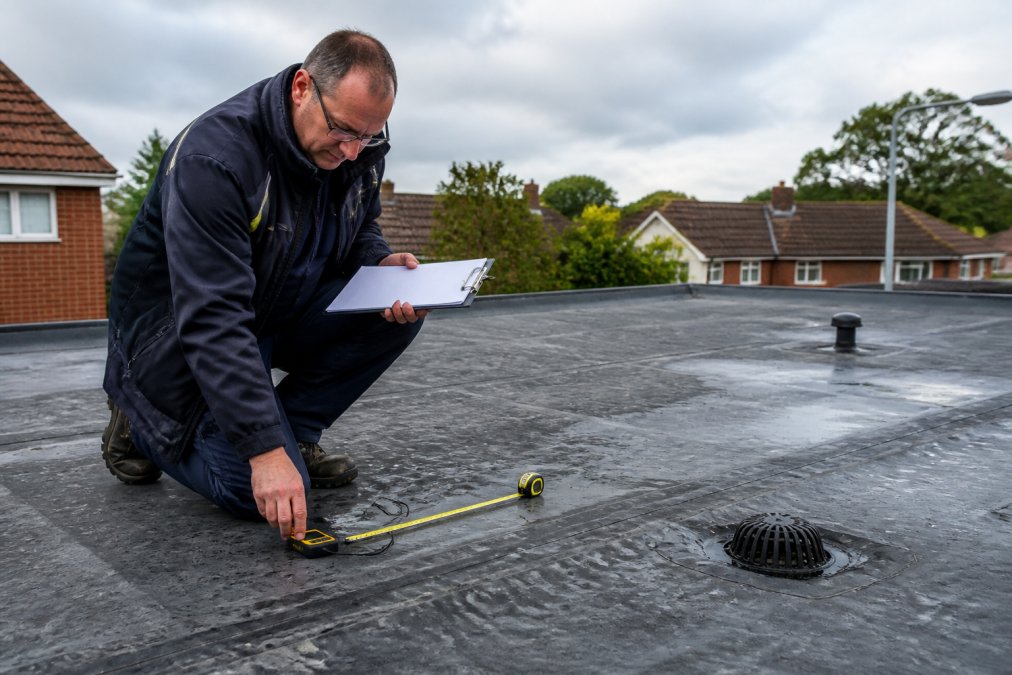
- The full roof surface and its drainage outlets
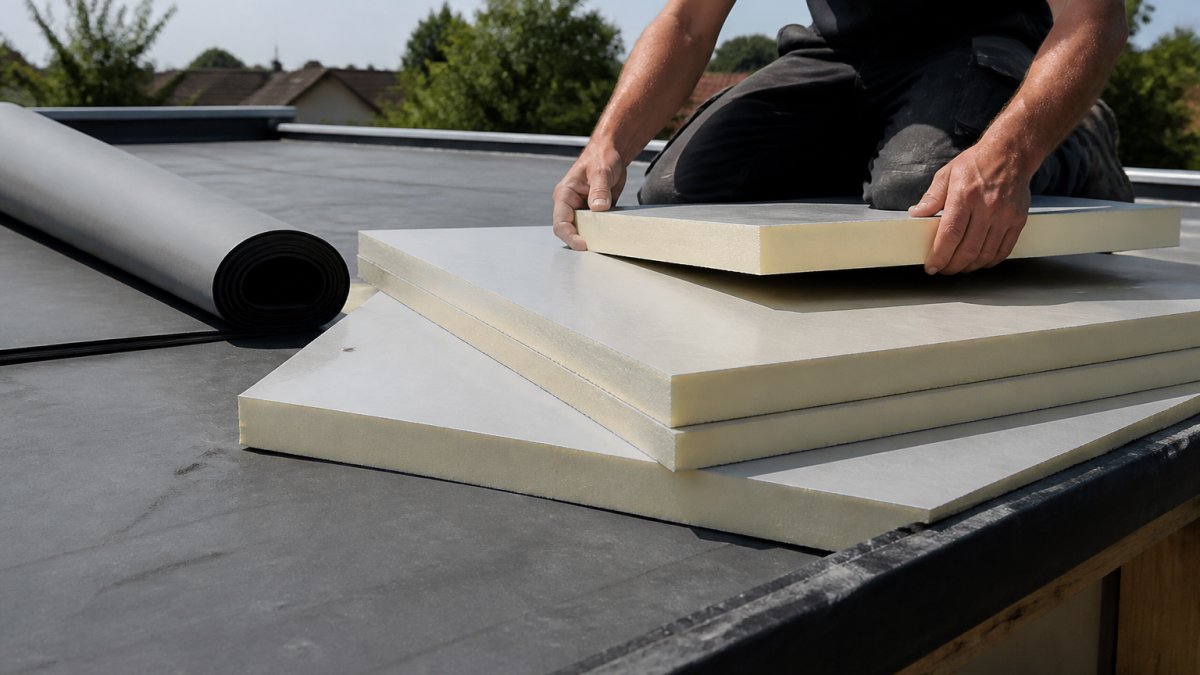
- The roof structure and existing thermal insulation
- Moisture readings to find trapped water
- Access, edges and any fragile roof lights
Roofing Certification Requirements UK 2026: What a Flat Roof Contractor Must Prove
The roofing certification requirements UK 2026 landscape rewards homeowners who ask for paperwork. Any contractor you hire should prove four things before work starts:
- Public liability insurance covering at least £2 million
- Employers' liability insurance if they employ anyone
- Trade association membership, such as the National Federation of Roofing Contractors
- Manufacturer approvals for the specific flat roofing systems they install
Questions to Ask a Roofing Contractor Before You Sign Anything
The best questions to ask a roofing contractor are the ones that separate specialists from generalists. Start with these:
- How many flat roofs have you installed in the past year?
- Which flat roofing systems do you fit, and why those?
- Will your own team do the work, or will subcontracting apply?
- What does your workmanship warranty cover, and for how long?
- Can I see a project portfolio with addresses or photos?
- Who handles building control notifications?
- What happens if it leaks after handover?
Match the Flat Roofing System to Your Property
Flat roofing systems are not interchangeable, and the right choice depends on your roof. Here is how the main options compare:
| System | Best For | Lifespan | Maintenance |
|---|---|---|---|
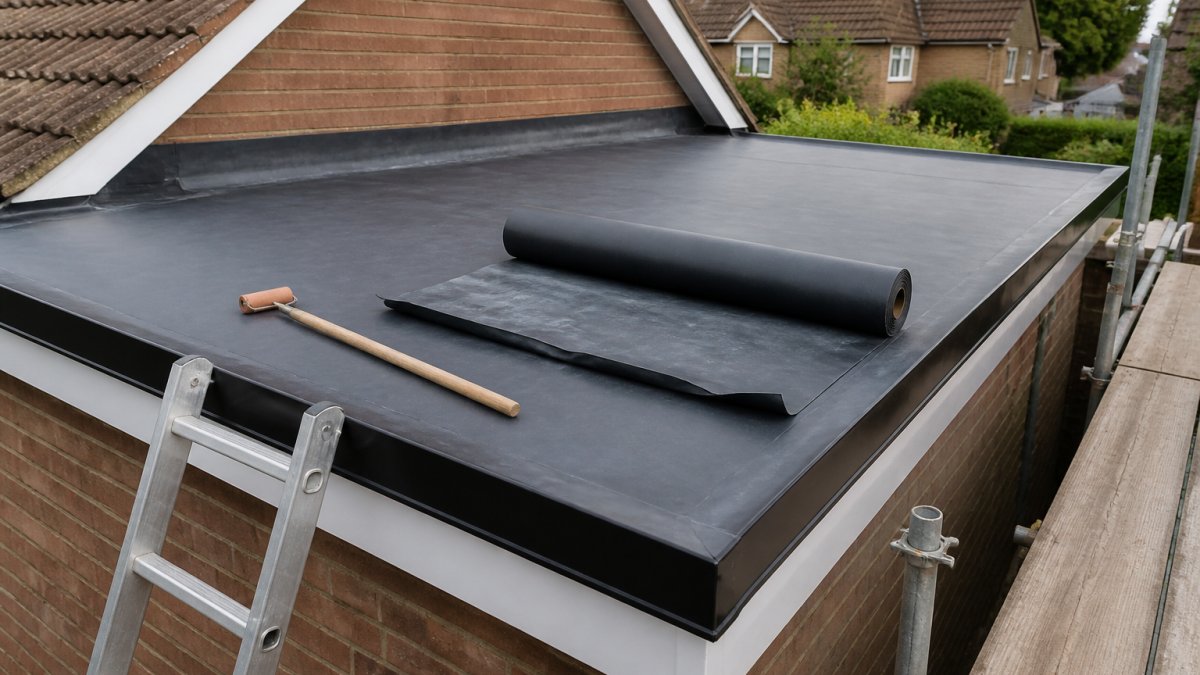
| EPDM rubber | Garages, extensions, bay windows | Long | Very low |
| GRP fibreglass | Balconies, walk-on areas | Long | Low |
| Bitumen felt | Budget repairs, sheds | Short | Regular |
| Single-ply membrane | Larger commercial roofs | Long | Low |
Compare Itemised Quotes, Contracts and Payment Terms
An itemised quote lists labour, materials, access equipment and waste removal as separate lines. A lump-sum figure hides where the money goes and makes comparison impossible. Ask every contractor to quote on the same basis so you are comparing like for like, not a detailed quote against a one-line estimate.
When you compare quotes, check:
- Written estimates with a clear scope of work
- What is excluded (scaffolding, skylights, fascias and soffits)
- Payment terms and stage payments
- Start and completion dates
- The full contract, not just a quote sheet
What a fair payment schedule looks like
Most reputable flat roofing firms work to a staged schedule rather than a single lump sum. A common pattern is:
- A modest deposit on acceptance, typically enough to book the slot and order materials
- A stage payment when the strip-out and deck preparation are complete
- A further stage when the waterproofing membrane is installed
- The balance on practical completion, once you have the handover pack and completion certificate
Contract terms worth insisting on
A written contract, signed by both sides, should do more than state a price. Look for:
- A clear description of the roofing system and materials, with manufacturer and product names
- The agreed start and completion dates, and what happens if they slip
- A retention clause, where a small percentage is held back until any snagging is resolved
- The workmanship warranty length and what it covers
- A named contact for defects and a timescale for responding
- Confirmation of who notifies building control and who pays any fees
Deposit protection and cancellation
Under consumer protection rules, you have a cooling-off period for contracts agreed away from the trader's premises, such as in your home. Ask for the cancellation terms in writing. If a deposit is taken, ask how it is protected and what happens to it if the firm ceases trading before the work starts. A contractor who cannot answer that clearly is a risk.
The Average Cost of Flat Roof Replacement and What Changes It
The average cost of flat roof replacement varies too widely for one figure to be useful. Pricing depends on the roof size, the system chosen, access, insulation upgrades and whether the roof structure needs repair.
- Strip-out and disposal of the old covering
- New decking or repairs to the existing roof structure
- Insulation and waterproofing materials
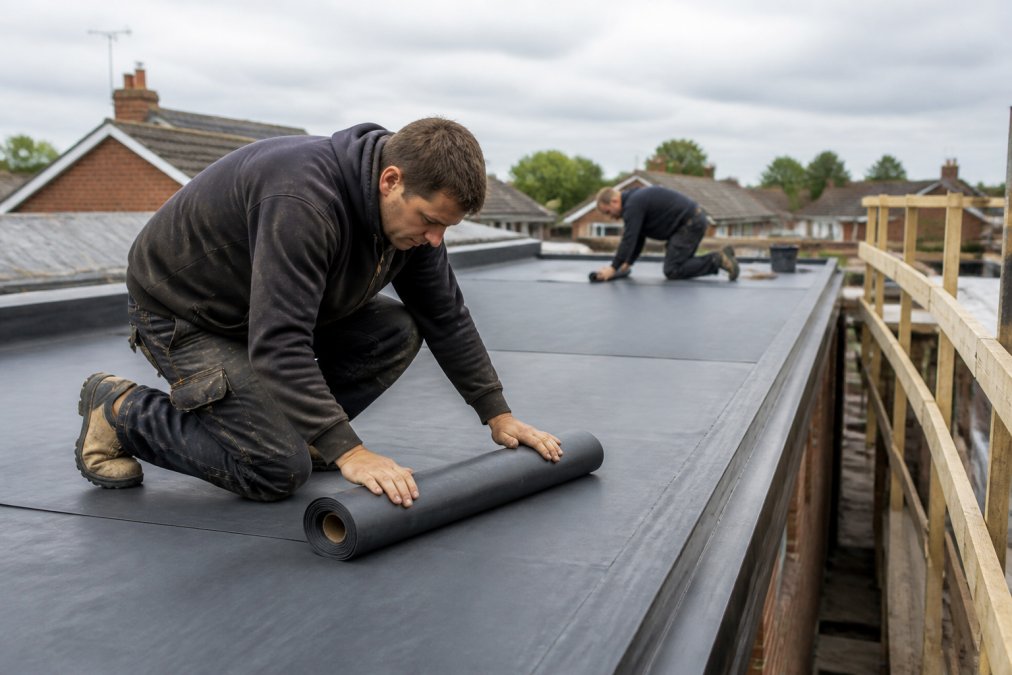
- Labour and access
- Certification and handover paperwork
Building Regulations, Planning Permission and Dispute Resolution
Most flat roof replacements fall under building regulations, even when planning permission is not needed. The rules cover structural stability, fire safety and thermal insulation. This is the area where homeowners most often get caught out, because responsibility for sign-off is rarely spelled out in the quote.
Who is responsible for building control sign-off?
The short answer: it should be agreed in writing before work starts. In practice, one of two routes applies:
- The contractor notifies building control on your behalf, usually through a competent person scheme or by lodging a building notice. You should receive a completion certificate at the end.
- You notify building control yourself, typically by appointing a private approved inspector or using the local authority building control service. This gives you more control but more admin.
When planning permission is needed
Planning permission usually only applies if you change the roof's shape, height or use, for example, adding a roof terrace, raising the roof line, or converting a flat roof into a habitable space. A like-for-like replacement covering the same footprint and height normally falls under permitted development. Check before work begins, because retrospective permission is expensive and slow.
A dispute resolution roadmap
- Raise the issue in writing and keep copies. State the defect, the date it appeared, and what you want done. Give a reasonable deadline for a response.
- Follow the contractor's own complaints procedure. Most established firms have one; ask for it at contract stage.
- Escalate to the trade association if the contractor is a member. Bodies such as the National Federation of Roofing Contractors operate dispute resolution services for members, and membership is a reason to prefer one firm over another.
- Use the manufacturer's guarantee scheme if the product itself has failed rather than the workmanship. Manufacturer-backed guarantees often have their own claims process.
- Consider independent inspection. A surveyor or roofing consultant can provide a written report that carries weight in any later negotiation.
- Take legal advice if the sums involved justify it. Small claims procedures exist for lower-value disputes, and a solicitor's letter often resolves matters before court.
A contractor who is comfortable discussing building control, completion certificates and their complaints procedure is almost always a contractor worth hiring. One who deflects those questions is telling you something.
Maintenance, Guarantees and the Handover Pack
A handover pack is the folder of documents you should receive when the job ends. It proves what was installed and protects your guarantee. Insist on it.
Your pack should include:
- The written workmanship warranty and its length
- Manufacturer guarantees for the roofing materials
- Building regulations completion certificate
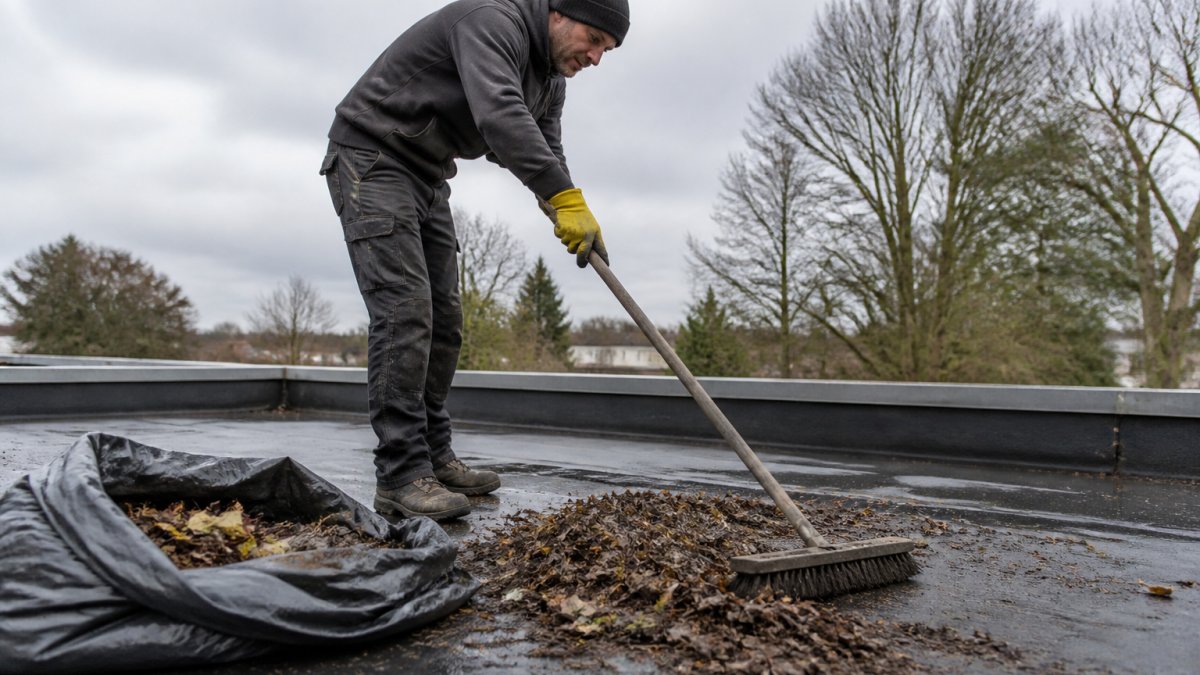
- Care and maintenance instructions
- Contact details for future repairs
Frequently Asked Questions
How do I check whether a flat roof contractor is genuinely reputable?
Ask for their company registration number, public liability insurance certificate, and membership of a trade association such as the National Federation of Roofing Contractors. Check the insurance certificate is current and names the trading company, not just an individual. Request two or three recent local addresses you can view, and look for reviews on Rated People or Google that mention aftercare, not just the installation. A reputable flat roof contractor will send these without hesitation and will not ask for a large cash deposit upfront.
How much should I expect to pay for a flat roof replacement?
The average cost of flat roof replacement depends on the area covered, the system specified, access, and whether the deck, insulation, fascias or drainage need renewing. Prices also move with material costs, so any figure quoted online goes stale quickly. Rather than trust a national average, get at least three itemised written estimates for your exact roof and compare what each one includes. Ask ARRC Ltd for a current quote based on a site assessment.
Is EPDM better than GRP for a flat roof?
Both work well, but they suit different situations. EPDM is a single-ply rubber membrane supplied in large sheets, so a typical garage or extension roof needs few or no seams, which reduces leak risk. It stays flexible in cold weather and handles movement on timber decks. GRP is a glass-reinforced polyester laid in situ, which suits more complex shapes and walkover areas. Ask your contractor which system matches your roof structure, drainage and budget before deciding.
What should a written guarantee on a flat roof actually cover?
A useful guarantee names the membrane manufacturer, the installation standard, the covered period, and what happens if a seam or detail fails. It should distinguish the manufacturer's product guarantee from the installer's workmanship warranty, because a material defect and a fitting error are handled differently. Check whether the guarantee transfers if you sell the property, and whether it requires you to keep up maintenance. Get it in writing before work starts, and keep it with your building regulations completion certificate.
Choosing a flat roof contractor is a decision you live with for decades, and the wrong one leaves you chasing leaks and warranties that never materialise. ARRC Ltd brings over 30 years of experience, high-quality materials and a 20-year guarantee on flat rubber roofs, with professional installation of fascias, soffits and skylights handled by one team. Get a quote from ARRC Ltd and get your flat roof done once, properly.